













As 2025 concludes, India’s infrastructure and industrial sectors are focusing on sustainability and domestic manufacturing. Companies are investing in advanced materials and green technologies to reduce lifecycle costs and strengthen local supply chains under the Make in India initiative. The refractories market is shifting towards high-performance solutions, driven by steel and cement industry growth, with projections indicating an increase from USD 2.50 billion in 2024 to USD 3.40 billion by 2033. Similarly, the elevator industry is responding to urbanisation demands by prioritising energy efficiency and safety in new systems. Overall.
Emissions Infrastructure Growth
India’s infrastructure growth is becoming technology-led, sustainability-focused, and foundationed in robust domestic ecosystems as the country aims for competitive manufacturing while minimizing energy consumption and emissions Infrastructure growth in 2025 is emerging as a defining force behind India’s shift toward sustainable manufacturing, marking a clear transition from traditional industrial expansion to a greener, efficiency-driven development model. As the country accelerates investments in transport networks, renewable power, logistics corridors, and industrial parks, sustainability is no longer a secondary consideration but a core objective embedded into planning and execution.
This transformation is closely aligned with India’s long-term climate commitments and net-zero ambitions, while also responding to global supply chain demands for environmentally responsible manufacturing practices. Infrastructure today is not merely about physical assets but about creating an ecosystem where economic growth and environmental responsibility progress together One of the most visible impacts of infrastructure growth in 2025 is the rise of sustainable industrial corridors designed to minimize carbon footprints while maximizing operational efficiency. These corridors integrate renewable energy generation, smart grid.
Fossil Fuels, New Infrastructure Projects
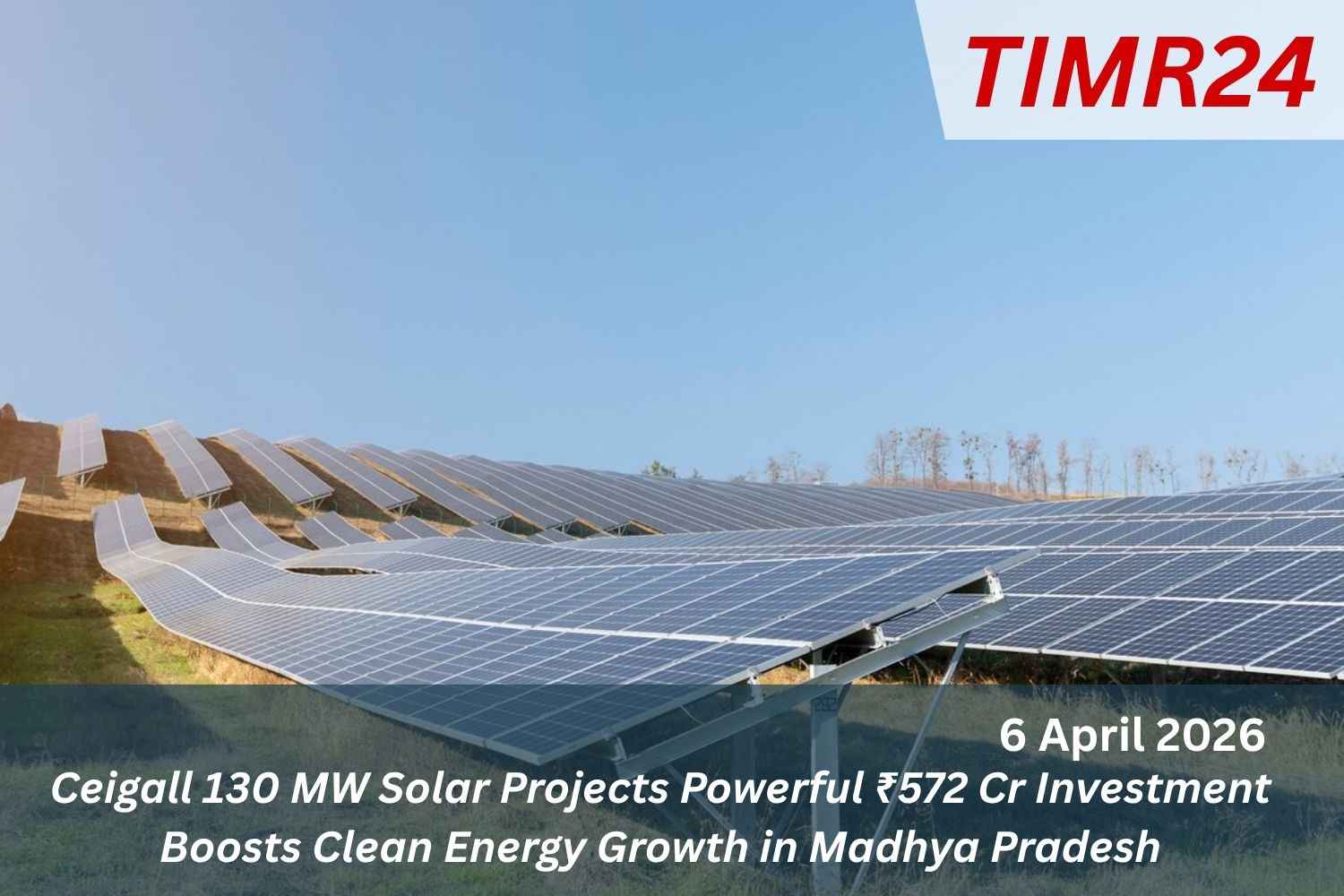
Connectivity, and water recycling systems to support manufacturing units. Unlike older industrial zones that relied heavily on fossil fuels, new infrastructure projects are increasingly powered by solar and wind energy, significantly reducing emissions. Dedicated freight corridors, multimodal logistics parks, and electrified rail networks are enabling manufacturers to transport goods faster and cleaner, reducing fuel consumption and logistics costs Energy infrastructure development in 2025 is playing a critical role in making manufacturing more sustainable. Large-scale renewable energy projects, including solar parks, wind farms, and hybrid.
Power installations, are being directly linked to industrial clusters. This direct access to clean power allows manufacturers to reduce dependence on coal-based electricity, improving both cost stability and environmental performance. Green hydrogen infrastructure is also gaining momentum, particularly for hard-to-abate sectors such as steel, cement, and chemicals. According to the International Energy Agency, clean energy-driven industrial transformation is essential for meeting global climate goals, as highlighted in its industrial decarbonization outlook Transport infrastructure expansion is another pillar supporting sustainable manufacturing growth in 2025.
Enabling Cleaner Movement
The rapid rollout of electric mobility infrastructure, including EV charging stations along highways and within industrial estates, is enabling cleaner movement of raw materials and finished goods. Ports are being modernized with shore power facilities, automated cargo handling, and energy-efficient operations, reducing emissions from maritime logistics. Inland waterways and rail freight are being prioritized over road transport, further lowering carbon intensity. These developments align closely with India’s broader transportation sustainability strategy Digital infrastructure is equally important in driving sustainability across manufacturing operations.
The integration of smart sensors, IoT platforms, and AI-driven monitoring systems within infrastructure projects allows manufacturers to optimize energy usage, reduce waste, and improve productivity. Smart industrial parks in 2025 are leveraging real-time data to manage water consumption, track emissions, and ensure compliance with environmental standards. This digital backbone not only improves sustainability outcomes but also enhances global competitiveness, as international buyers increasingly demand transparency in supply chains. The World Economic Forum has emphasized the role of digital infrastructure in accelerating sustainable industrial practices across emerging economies.
Focusing On Green Public Procurement
Policy-driven growth is further strengthening sustainable manufacturing outcomes. Government initiatives focusing on green public procurement, carbon markets, and incentives for low-emission technologies are shaping investment decisions across sectors projects funded through green bonds and sustainability-linked financing are becoming more common in 2025, ensuring that environmental criteria are embedded into development frameworks. Manufacturing units located within these infrastructure ecosystems benefit from regulatory clarity, financial incentives, and shared sustainability resources.
Urban development is also contributing significantly to sustainable manufacturing growth. Smart cities and urban industrial zones are being designed with circular economy principles, promoting waste-to-energy solutions, material reuse, and efficient resource management. Proximity (Solar) to urban centers reduces transportation distances, lowering emissions while improving access to skilled labor and markets. Sustainable construction practices, including green buildings and low-carbon materials, are becoming standard in industrial infrastructure projects. The United Nations Industrial Development Organization highlights.
Surrounding Infrastructure Growth
That sustainable urban-industrial integration is key to inclusive and resilient economic growth The financial ecosystem surrounding infrastructure growth in 2025 is increasingly aligned with sustainability goals. Banks, development finance institutions, and private investors are prioritizing projects that demonstrate strong environmental, social, and governance performance. This shift is encouraging manufacturers to adopt cleaner technologies and transparent reporting practices to access capital. Infrastructure-led sustainability is thus becoming a competitive advantage rather than a compliance burden. As global investors seek resilient and future-ready markets.
India’s sustainable push is enhancing its attractiveness as a manufacturing hub growth in 2025 is setting the foundation for a manufacturing sector that is not only larger but fundamentally more sustainable. By integrating clean energy, efficient transport, digital intelligence, and (India) supportive policies, India is redefining how industrial growth can coexist with environmental responsibility. This transition is expected to generate long-term economic benefits, create green jobs, and position the country as a leader in sustainable manufacturing. As infrastructure continues to evolve, its role as an enabler of sustainability will remain central to industrial strategy and national development.
Q1. How does infrastructure growth support sustainable manufacturing in 2025?
It integrates clean energy, efficient logistics, and smart systems to reduce emissions and resource use.
Q2. Which sectors benefit most from sustainable infrastructure?
Manufacturing, logistics, energy-intensive industries, and export-oriented sectors gain the most.
Q3. What role does renewable energy play in manufacturing ?
It provides low-cost, low-carbon power directly to industrial clusters.
Q4. How does digital infrastructure improve sustainability?
It enables real-time monitoring, waste reduction, and energy optimization.
Q5. Why is 2025 a turning point for green infrastructure?
Because large-scale investments, policy reforms, and climate commitments are converging.