
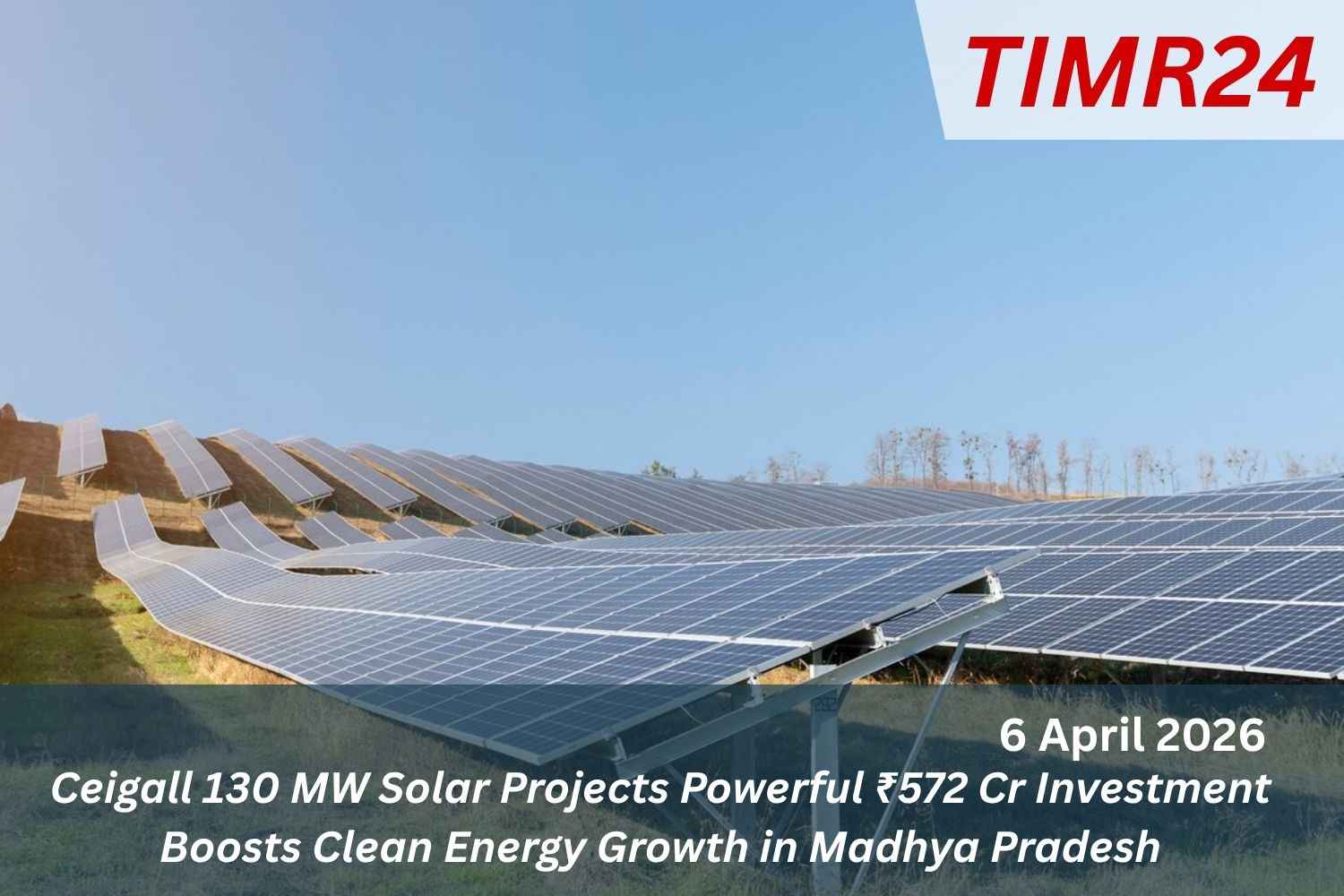



















India’s solar module manufacturing capacity increased from 72 GW in March 2024 to nearly 118 GW by July 2025, while cell capacity rose from 8 GW to around 27 GW. Current operational outputs are 50-60 GW for modules and 8-10 GW for cells, indicating a significant dependency on cell imports, primarily from China. In response, India has implemented the Approved List of Models and Manufacturers (ALMM) to promote domestic module use and is developing further rules to enhance local cell manufacturing. Exports of solar products have surged dramatically, from Rs 8.7 billion in FY2019 to Rs 94.6 billion in FY2025, driven largely by demand from the US amid concerns over Chinese supplies.
However, exports dipped in FY2025 but rebounded in early FY2026, (sola) as imports decreased by 54%, highlighting India’s progress towards solar manufacturing self-sufficiency India’s renewable energy revolution is entering a transformative phase as the nation’s solar module manufacturing capacity is set to achieve a remarkable 220 gigawatts (GW) by FY2028, marking a defining milestone in its pursuit of sustainable energy independence. With rapid technological advancements, robust policy frameworks, and unprecedented private investments, the country is not only moving closer to its net-zero by 2070 target but also establishing itself as a global hub for clean energy manufacturing.
Q1. What is India’s projected solar module capacity by FY2028?
India’s module capacity is expected to hit 220 GW by FY2028, up from around 64 GW in FY2025.
Q2. What factors are driving this growth?
Government incentives like the PLI scheme, import duties, and renewable energy targets under India’s 2070 net-zero commitment are major drivers.
Q3. Which states are leading solar module manufacturing?
Gujarat, Rajasthan, Tamil Nadu, and Andhra Pradesh are major hubs due to strong infrastructure and sunlight availability.
Q4. How will this impact India’s energy mix?
It will help India reduce fossil fuel dependency, lower emissions, and achieve 50% renewable energy share by 2030.
Q5. What role does the private sector play?
Companies such as Adani, Waaree Energies, and Tata Power Solar are expanding manufacturing and R&D capacities.