















India’s renewable energy sector is entering a transformative new phase, focusing on building a stable, dispatchable, and integrated clean energy architecture to achieve its goal of 500 GW of non-fossil capacity by 2030. The Ministry of New and Renewable Energy (MNRE) states that India’s renewable journey is evolving from “speed to system strength,” emphasizing quality, reliability, and long-term integration. India’s renewable capacity has grown more than fivefold in the past decade, from under 35 GW in 2014 to over 197 GW today. The next step requires reforms in grid integration, energy storage, hybridisation, and market mechanisms. Over 40 GW of awarded.
Projects are currently in advanced stages of securing power purchase agreements, power sale agreements, or transmission connectivity. Enforcement of Renewable Purchase Obligations, upgrades to transmission infrastructure, and advanced grid technologies have become top government priorities. India continues to add between 15 GW and 25 GW of renewable capacity annually, placing it among the fastest-growing markets globally despite supply-chain disruptions and financing constraints. The new tenders now prioritize renewable energy combined with storage or round-the-clock supply, ensuring grid stability. The government’s Rs 2.4 trillion Transmission Plan for 500 GW.
Aims to connect renewable-rich states with high-demand centers, unlocking over 200 GW of new renewable potential. The next growth phase is already underway, with large hybrid and round-the-clock projects progressing in Rajasthan, Gujarat, and Karnataka. India’s renewable energy sector has undergone a remarkable transformation in recent years, evolving from rapid expansion to a phase characterized by systemic maturity breakthroughs. Between 2014 and 2024, the country’s renewable energy capacity (excluding large hydro) grew from under 35 GW to over 197 GW a more than fivefold increase placing India among the fastest-growing renewable energy markets globally.
This unprecedented growth has been driven by a combination of supportive policies, technological advancements, and significant investments. In 2024 alone, India achieved a record high renewable energy capacity addition of about 30 GW, more than doubling the 13.75 GW added in (NHAI) 2023 This surge brought the total installed renewable energy capacity to approximately 209.44 GW by the end of the year One of the most significant milestones in this journey was India’s achievement of 50% non-fossil fuel-based electricity capacity ahead of its 2030 target. This accomplishment underscores the country’s commitment to sustainable energy and positions it as a global leader in the renewable energy transition.
As the sector matures, the focus has shifted from sheer capacity addition to ensuring the resilience and reliability of the energy system. This includes enhancing grid infrastructure, integrating energy storage solutions, and developing flexible power systems capable of accommodating the variable nature of renewable energy sources. The emphasis is now on creating a robust and sustainable energy ecosystem that can meet the growing demand while minimizing environmental impact India’s renewable energy sector is now entering a phase of systemic maturity, characterized by a focus on quality, resilience, and sustainability. The country’s commitment to achieving 500 GW of non-fossil fuel-based energy capacity by 2030.
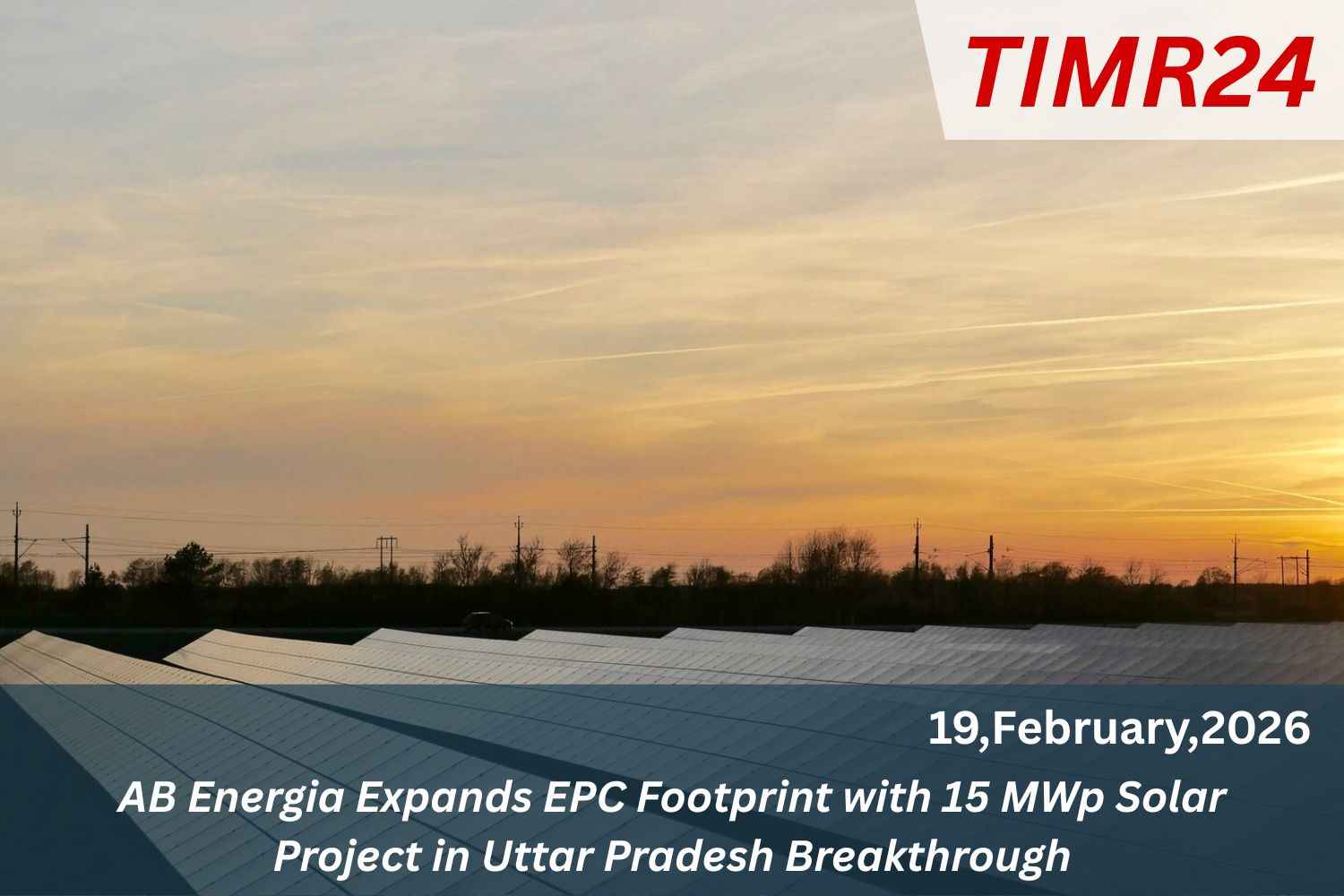
Remains steadfast, with continued investments and policy (Solar) support driving the transition toward a cleaner and more sustainable energy future.
Q1. What does systemic maturity mean in India’s renewable sector?
Systemic maturity refers to the renewable energy sector reaching a stage where infrastructure, technology, policy frameworks, and investment climate work cohesively for sustainable growth.
Q2. Which renewable energy sources are growing fastest in India?
Solar power leads growth, followed by wind and biomass projects, driven by government incentives and falling technology costs.
Q3. How is India’s renewable sector attracting investors?
Stable government policies, long-term power purchase agreements, and green bonds have significantly increased both domestic and foreign investment.
Q4. What role does technology play in India’s renewable energy growth?
Advanced solar panels, energy storage, AI-driven grids, and smart microgrids enhance efficiency, reliability, and integration into the national grid.
Q5. What are the future prospects of India’s renewable energy market?
India aims to achieve 500 GW of non-fossil energy capacity by 2030, creating robust opportunities in solar, wind, hydro, and emerging sectors like green hydrogen.