






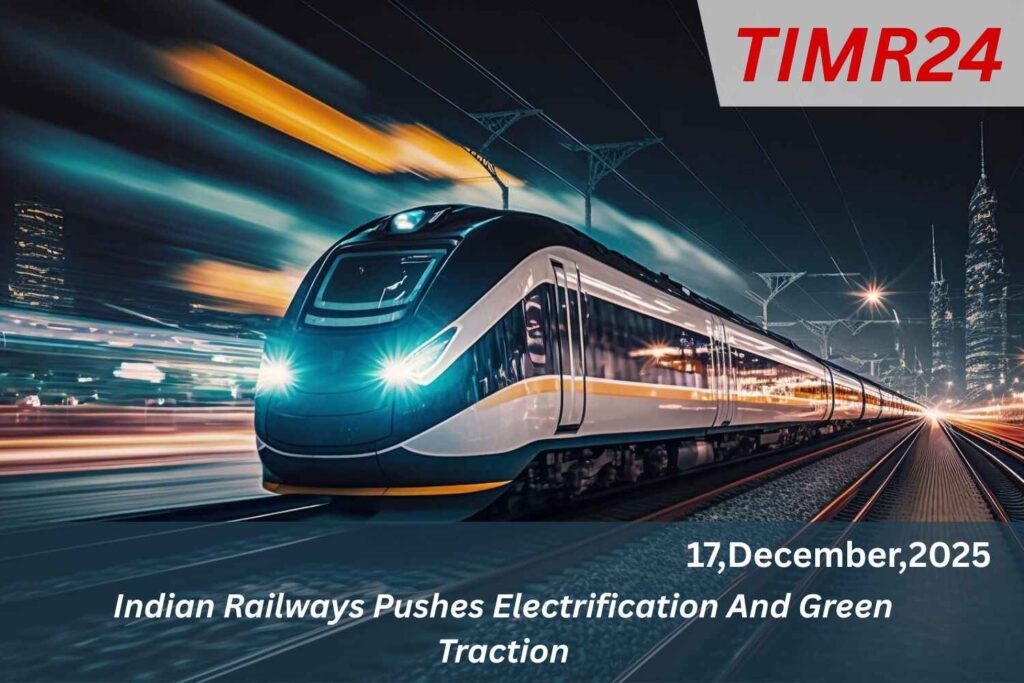
Indian Railways is modernizing its infrastructure by adopting advanced technologies to enhance safety, punctuality, reliability, and passenger comfort while aiming for a significant reduction in its carbon footprint. The mass electrification of the railway network has considerably decreased the use of coal and diesel locomotives, with nearly 99.2% of the Broad Gauge network electrified as of now. Since 2014, the electrification has expanded from 21,801 to 46,900 route kilometers. Additionally, the manufacture of modern IGBT-based electric locomotives with regenerative braking systems is underway. To further cut emissions, Indian Railways plans to utilize renewable.
Renewable Energy And Reducing Fossil
Energy sources like solar and wind for traction. As of November 2025, they have commissioned substantial solar and wind capacity. The organization is also piloting hydrogen-powered trains and aims for net zero carbon emissions by 2030, focusing on shifting towards renewable energy and reducing fossil fuel dependency Indian Railways is undergoing one of the most transformative phases in its long history as it aggressively pushes electrification and green traction across its vast network. As one of the largest rail systems in the world, Indian Railways plays a critical role in the country’s transportation, logistics, and economic growth.
The shift toward electrified rail lines and environmentally friendly traction systems is not merely a technological upgrade but a strategic move aligned with India’s broader sustainability and climate commitments. This transition reflects a conscious effort to reduce carbon emissions, enhance energy efficiency, and modernize rail operations to meet future demands Electrification has emerged as the backbone of Indian Railways’ green transformation strategy. By replacing diesel-powered locomotives with electric ones, the railways significantly reduce greenhouse gas emissions and dependence on imported fossil fuels. Electric traction allows trains to operate more efficiently.
Supporting Smoother Operations Across
Offering better acceleration, higher hauling capacity, and lower maintenance costs. This has a direct impact on both passenger comfort and freight reliability. Routes that were once constrained by fuel logistics are now more dependable, supporting smoother operations across the network. More details on infrastructure upgrades can be explored through our internal coverage on railway infrastructure upgrades The environmental impact of railway electrification is substantial. Diesel locomotives contribute heavily to air pollution, particularly in densely populated regions. Electric trains, especially when powered by renewable energy, drastically reduce particulate matter and carbon output.
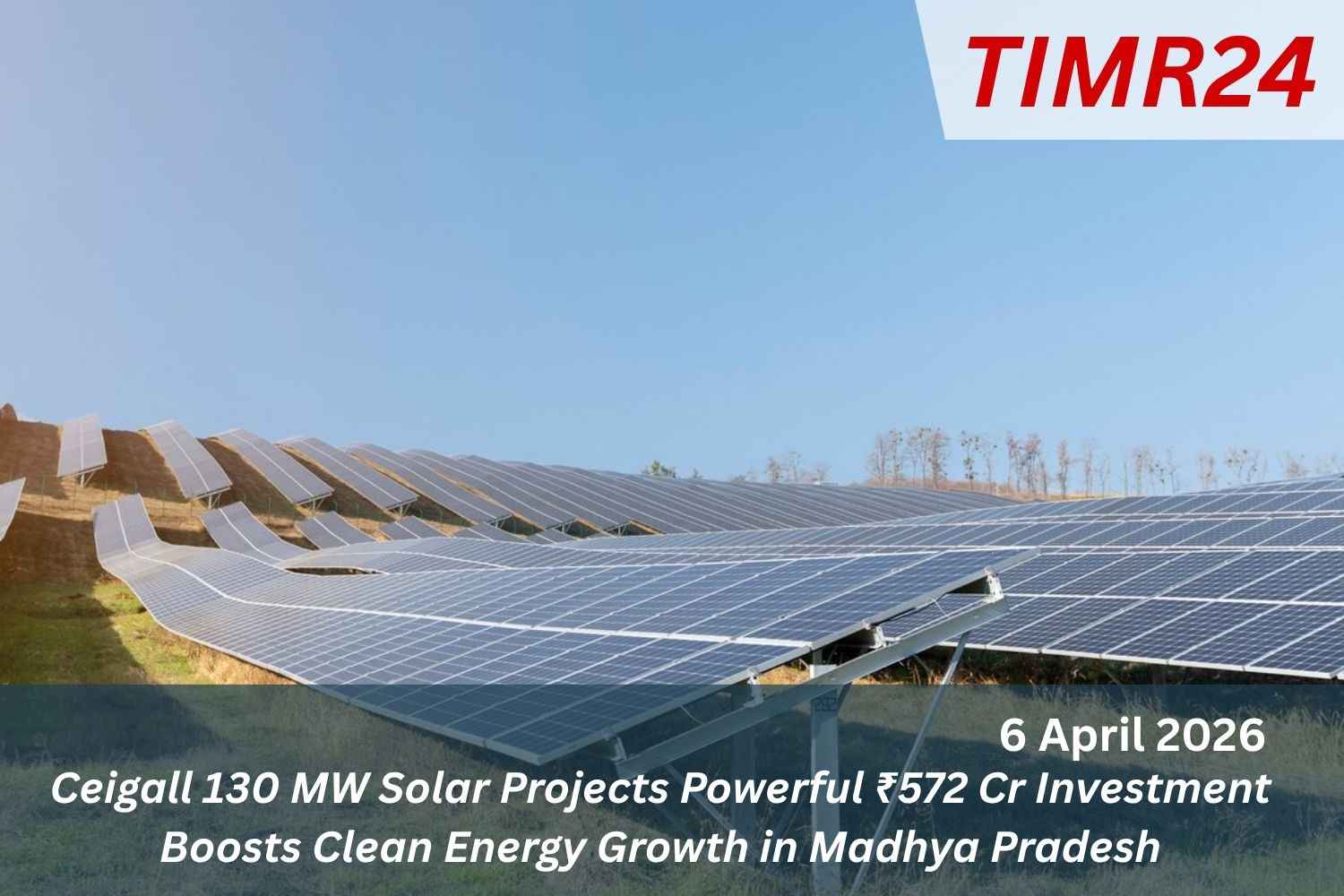
Indian Railways has been increasingly sourcing power from solar and wind energy projects, reinforcing its commitment to clean energy adoption. Collaborations with agencies under the Ministry of New and Renewable Energy are helping railways integrate renewable power into traction systems, strengthening India’s clean energy ecosystem as discussed in our feature on India’s renewable energy policy Green traction goes beyond electrification alone. It includes the adoption of advanced technologies such as regenerative braking systems, which recover energy during braking and feed it back into the power grid. This not only conserves energy but also improves overall system efficiency.
Operational Environmental Responsibility
Energy-efficient electric locomotives are being introduced to replace aging fleets, offering better performance and reduced environmental footprint. These initiatives demonstrate how Indian Railways is leveraging innovation to balance operational needs with environmental responsibility From an economic standpoint, electrification delivers long-term financial benefits. Although the initial investment in electrification infrastructure is significant, the reduction in fuel costs and maintenance expenses results in substantial savings over time. Electric locomotives are cheaper to operate and maintain compared to diesel engines. Additionally, reduced dependence on imported.
Diesel helps conserve foreign exchange and strengthens India’s energy security. These savings can be reinvested into passenger amenities, safety improvements, and network expansion, reinforcing railways as a cost-effective transport mode Freight transportation stands to gain immensely from the electrification drive. Electric traction allows for heavier and longer freight trains, improving turnaround times and reducing logistics costs. This is particularly important for industrial corridors and dedicated freight routes, which are critical to India’s manufacturing and export ambitions. Efficient rail-based freight movement also reduces pressure on road networks, lowering congestion and emissions.
Electrification Electric Trains
Our analysis on freight corridor development highlights how electrification supports faster and greener logistics nationwide Passenger services are also experiencing noticeable improvements due to electrification. Electric trains provide smoother rides with less noise and vibration, enhancing the overall travel experience. Faster acceleration enables better adherence to schedules, reducing (India) delays and improving punctuality. For suburban and long-distance passengers alike, electrification translates into more reliable and comfortable journeys. These improvements align with Indian Railways’ vision of providing world-class services while maintaining affordability.
Indian Railways’ push toward green traction aligns closely with India’s commitment to achieving net-zero emissions by 2070. Transport is one of the largest contributors to carbon emissions, and railways offer one of the most energy-efficient modes of mass transportation. By electrifying its network and integrating renewable energy sources, Indian Railways positions itself as a leader in sustainable mobility. International organizations such as the International Energy Agency have consistently highlighted rail electrification as a key strategy for reducing transport-related emissions, reinforcing the global relevance of India’s efforts.
Supports Regional Development
The transition to green traction also has social and developmental implications. Electrification projects generate employment opportunities across engineering, construction, and maintenance sectors. Improved rail connectivity supports regional development by linking remote areas to economic hubs. Cleaner operations contribute to better air quality, benefiting public health in urban and semi-urban regions. These broader benefits underscore why electrification is not just an infrastructure project but a catalyst for inclusive growth Indian Railways continues to explore innovative solutions such as hydrogen-powered trains and battery-assisted traction for non-electrified.
Routes Pilot projects and feasibility studies are underway to assess the viability of alternative green fuels. These future-ready initiatives indicate that the railways’ sustainability journey is dynamic and forward-looking. As technology evolves, Indian Railways is well-positioned to adopt solutions that further reduce environmental impact while enhancing efficiency Indian Railways’ push for electrification and green traction marks a decisive step toward sustainable transport in India. By reducing emissions, cutting operational costs, and improving service quality.
This transformation strengthens railways as the backbone of the nation’s mobility system. The integration of renewable energy, advanced traction technologies, and long-term sustainability goals ensures that Indian Railways remains resilient and future-ready. As India continues to (India) balance economic growth with environmental responsibility, the railways’ green journey serves as a powerful example of how infrastructure development and sustainability can go hand in hand.
Q1. Why is Indian Railways focusing on electrification?
To reduce emissions, cut fuel costs, and improve efficiency.
Q2. What is green traction in railways?
Green traction refers to clean energy-powered train operations such as electric locomotives.
Q3. How much of Indian Railways is electrified?
A majority of the broad-gauge network is already electrified, with rapid expansion ongoing.
Q4. How does electrification help the economy?
It lowers operating costs, boosts freight efficiency, and reduces oil imports.
Q5. Does electrification improve passenger services?
Yes, it enables faster, smoother, and more reliable train operations.