
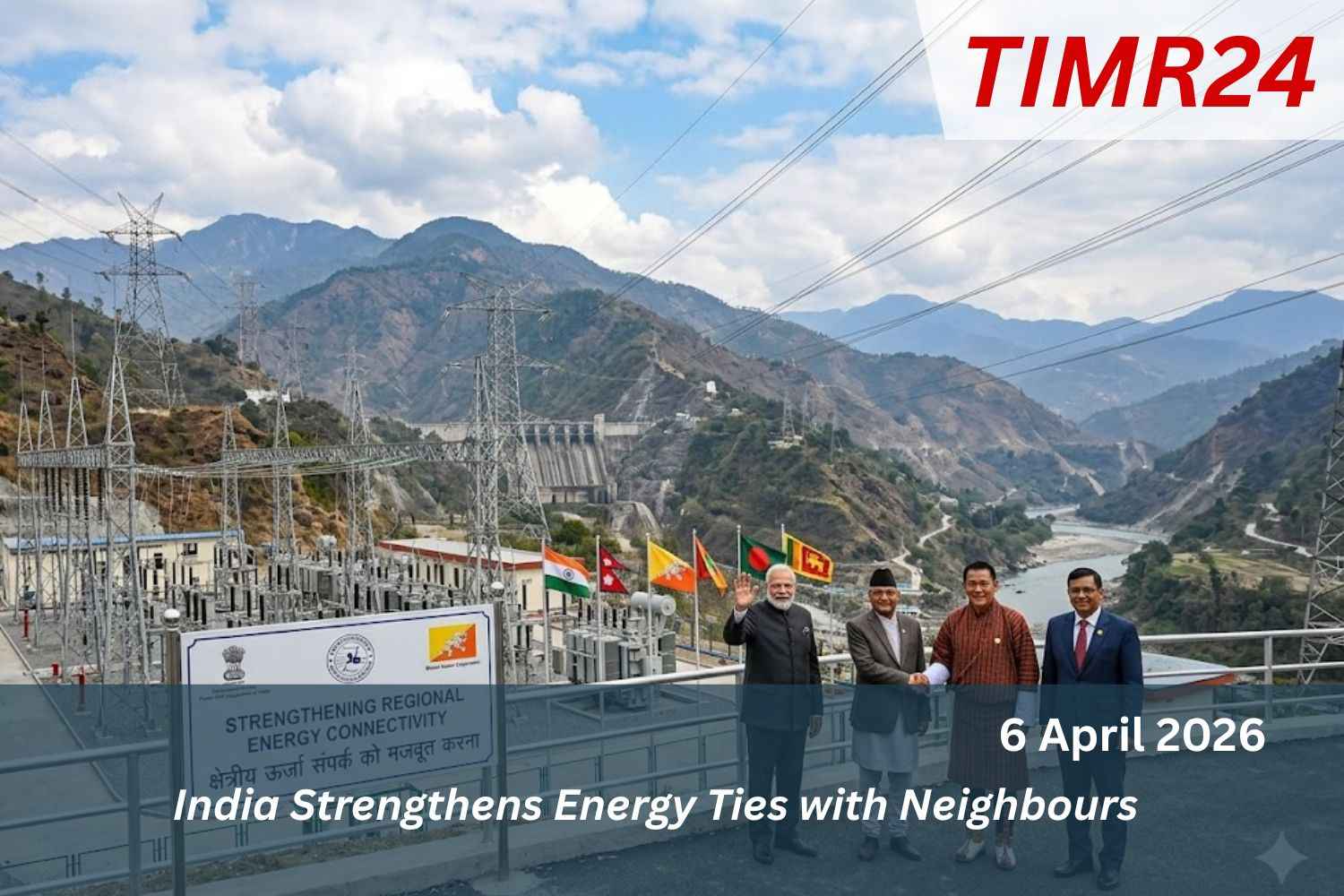













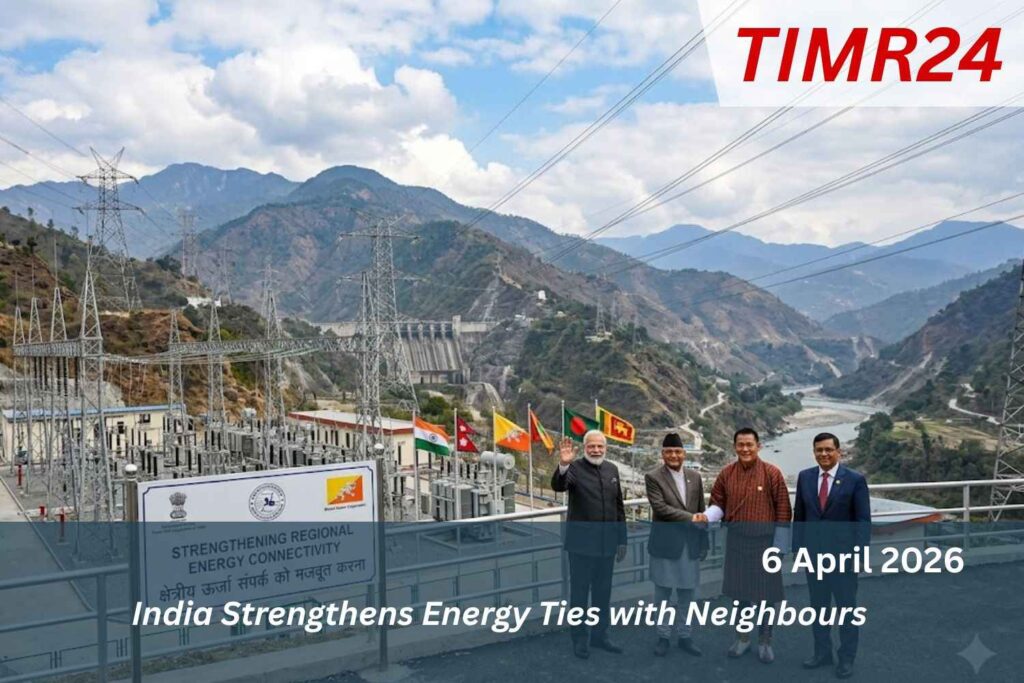
The Ministry of Power, Government of India, is enhancing regional cooperation in the power sector with countries like Bhutan, Nepal, Bangladesh, Myanmar, and Sri Lanka. This involves signing agreements for collaboration in power generation, transmission, and energy efficiency, with key players including NHPC Limited, NTPC Limited, Power Grid Corporation, and SJVN Limited. Major cross-border projects include the 900 MW Arun-3 and 669 MW Lower Arun in Nepal, and significant hydropower projects in Bhutan such as Tala and Mangdechhu. Additionally, infrastructure is expanding with links like the Muzaffarpur–Dhalkebar line and HVDC connections planned for Myanmar and Sri Lanka.
Important Strategies Driving This Growth
These efforts aim to bolster regional energy security, facilitate power trade, and consolidate India’s role as a key energy partner in South Asia India is rapidly emerging as a key player in the global energy landscape, and one of the most important strategies driving this growth is its effort to strengthen energy ties with neighboring countries. This initiative is not just about meeting domestic energy demands but also about building a sustainable and interconnected regional energy ecosystem. With increasing demand for electricity, industrial expansion, and a growing focus on renewable energy, India is leveraging partnerships with countries like Nepal.
Bhutan, Bangladesh, and Sri Lanka to create a stable and efficient energy network. These collaborations are helping India secure reliable power sources while also supporting economic development across South Asia. One of the major pillars of this initiative is cross-border electricity trade, which allows countries to share surplus power and manage shortages efficiently. For example, Bhutan and Nepal have abundant hydropower resources due to their geographical advantages, while India has a massive demand for electricity. By importing clean hydropower from these nations, India not only meets its energy needs but also promotes environmentally friendly energy consumption. Similarly.
Promoting Clean Energy Solutions
Bangladesh benefits from importing electricity from India, ensuring stability in its power supply Another key aspect of India’s energy diplomacy is the focus on renewable energy. With global concerns about climate change, India is actively promoting clean energy solutions in its partnerships. Solar, wind, and hydropower projects are being developed jointly, ensuring that the region moves towards a greener future. India’s leadership in initiatives like the International Solar Alliance further strengthens its position as a global advocate for renewable energy. These efforts align with the country’s commitment to reduce carbon emissions and achieve sustainability targets.
In addition to environmental benefits, these energy partnerships also have strong economic implications. By investing in energy projects in neighboring countries, India is creating new business opportunities for its companies and boosting regional trade. Infrastructure development, job creation, and technological exchange are some of the direct benefits of these collaborations. Moreover, a stable energy supply ensures that industries can operate efficiently, leading to overall economic growth. Geopolitically, strengthening energy ties also helps India enhance its influence in the region. In a competitive global environment, building strong relationships with neighboring.
Global Supply Disruptions This Regional Approach
Countries is essential for maintaining strategic stability. Energy cooperation acts as a bridge for diplomatic relations, fostering trust and mutual benefits. It reduces dependency on distant energy sources and minimizes risks associated with global supply disruptions. This regional approach ensures that countries can rely on each other during times of crisis, making the energy network more resilient advancements in technology are playing a crucial role in enabling these partnerships. Smart grids, digital monitoring systems, and efficient transmission networks are improving the reliability and efficiency of cross-border energy exchange. India is investing heavily in modernizing its power infrastructure to support these initiatives. This technological push not only enhances performance but also.
Reduces energy losses, making the entire system more sustainable. The integration of technology in energy projects reflects a broader trend of modernization seen across various sectors in India Despite the numerous benefits, there are also challenges that need to (India) be addressed. Regulatory differences, political uncertainties, and infrastructure limitations can sometimes hinder the progress of cross-border energy projects. However, India is actively working to overcome these challenges through policy reforms, bilateral agreements, and investments in infrastructure. By creating a transparent and efficient framework, India aims to ensure that.
Neighbors Appears Highly Promising
These partnerships continue to grow and deliver long-term benefits The future of India’s energy ties with its neighbors appears highly promising. With increasing focus on sustainability, technological innovation, and regional cooperation, these partnerships are expected to expand further. New projects, improved connectivity, and stronger policy support will play a key role in shaping the next phase of growth. India’s vision is not just to become energy self-sufficient but also to act as a regional energy hub that supports the development of its neighboring countries.
India’s efforts to strengthen energy ties with neighboring nations represent a strategic move towards achieving energy security, economic growth, and (India) environmental sustainability. By fostering collaboration, investing in renewable energy, and enhancing infrastructure, India is building a resilient and future-ready energy ecosystem. These initiatives are not only beneficial for India but also contribute to the overall progress of the South Asian region.
Q1. Why is India strengthening energy ties with neighbours?
India aims to ensure energy security, promote regional cooperation, and expand clean energy usage.
Q2. Which countries are involved in India’s energy partnerships?
Nepal, Bhutan, Bangladesh, and Sri Lanka are key partners.
Q3. What type of energy collaboration is happening?
Hydropower, renewable energy, and cross-border electricity trade.
Q4. How does this benefit India?
It improves energy availability, reduces costs, and strengthens geopolitical relations.
Q5. Is renewable energy a focus in these partnerships?
Yes, clean and sustainable energy is a major priority.