



















India Ratings and Research (Ind-Ra) has projected mid-to-high single-digit revenue growth with stable margins for engineering, procurement, and construction (EPC) companies in FY26. The EPC sector, across 22 listed entities, posted a 5% YoY revenue growth in 1QFY26, marking the fifth consecutive quarter of single-digit growth. EBITDA margins stood at 10.6%, 30 bps lower YoY but slightly better than the 10.4%-10.5% range recorded in 2Q-4QFY25. Segment-wise performance was mixed, with highways reporting revenue growth of 11% YoY, T&D/Power up 29% YoY, Metros & Heavy Civil reporting improved growth and margins, buildings being impacted by unseasonal rains in May and labour churn, and Jal Jeevan Mission continuing to underperform.
The EPC sector’s guidance suggests aggregate revenue growth of 12.7% yoy, around 100bp lower than the earlier guidance. Margin recovery hopes have also receded, with aggregate guidance suggesting a 20bp improvement at 10.8% in FY26 versus the past quarter’s assumption of 11%. Central and state capex is likely to grow faster in FY26 with a lean election season, yet the overall sentiment for fresh investments remains muted due to the uncertain policy environment. The roads sector witnessed an 11% yoy decline in revenue in 1QFY26, fifth consecutive quarter of decline. The T&D/power sector was the strongest segment, growing 29% yoy, aided by robust order books and continued resilient global activity amid a structural increase in power demand.
The engineering, procurement, and construction (EPC) sector in India has been witnessing a dynamic transformation in the past decade, driven by government infrastructure push, private investment flows, and global competitiveness. As per the latest projections, India Ratings and Research expects the EPC sector to grow at a mid-to-high single-digit rate in FY26, indicating a resilient performance despite economic headwinds. This outlook becomes highly relevant at a time when India is ramping up investments in roads, power, renewable energy, and urban infrastructure. The forecast highlights both opportunities and challenges that lie ahead for industry stakeholders, making it essential to analyse the underlying trends shaping this trajectory.
Growth Drivers of EPC Sector in FY26
One of the primary factors propelling growth in FY26 is the infrastructure development agenda of the Indian government. The National Infrastructure Pipeline (NIP) and Gati Shakti Masterplan have created an enabling environment for EPC companies to secure projects in roads, highways, metros, and railways. Strong capital expenditure by public sector undertakings such as NHAI, NTPC, and Power Grid Corporation has also ensured a steady pipeline of contracts. Additionally, the shift towards renewable energy projects like solar and wind power has opened up new avenues for EPC firms that are diversifying beyond traditional civil works.
At the same time, the private sector’s renewed confidence in industrial expansion particularly in steel, cement, and manufacturing provides fresh opportunities for EPC firms (Technology) specializing in plant engineering and construction. With the global supply chain realignment post-pandemic, India is also emerging as a preferred destination for industrial investments, further boosting EPC project orders. Collaboration with international firms, coupled with deeper private participation, is likely to define the next growth phase, ensuring that India’s EPC sector remains globally competitive while contributing significantly to national economic resilience. For investors, policymakers, and businesses alike, FY26 represents a period of stable yet promising expansion where execution capacity and innovation will be as important as the scale of projects.
Financial Outlook and Investment Climate
While mid-to-high single-digit growth suggests moderation compared to double-digit surges seen in certain earlier years, it still reflects a healthy and sustainable trajectory. Financial institutions and credit rating agencies note that EPC companies are better placed today in terms of leverage and working capital management. The adoption of digital project management tools, supply chain automation, and advanced procurement practices has also improved operational efficiency, reducing cost overruns and project delays Banks and NBFCs have become more willing to finance large EPC projects, especially in the renewable and road sectors, where risk perception has declined due to transparent bidding processes.
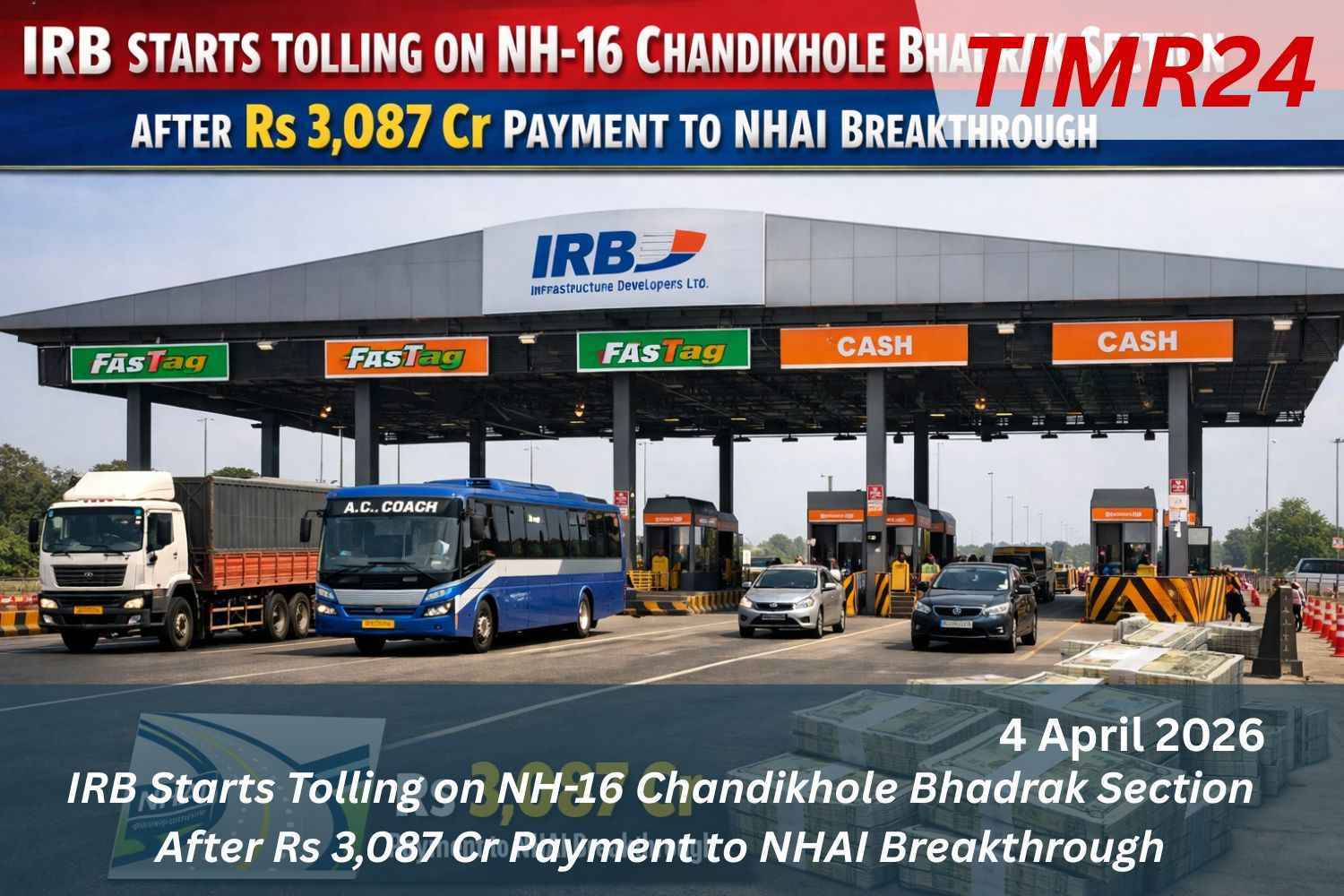
Foreign investors are also showing interest in joint ventures with Indian EPC players, signaling greater integration with global capital flows. This financial momentum is expected to play a crucial role in sustaining the projected growth level The road and highway sector continues to dominate EPC activity, with the National Highways Authority of India (NHAI) spearheading multi-lane corridors, expressways, and smart tolling initiatives. The adoption of the free flow tolling system in Gujarat, for example, is an indication of how technology integration is redefining road infrastructure in India. These developments create consistent project flows for EPC contractors specializing in highways.
The power sector, particularly renewable energy, is another growth engine. With India targeting 500 GW of renewable capacity by 2030, EPC companies engaged in solar and wind energy projects are expected to secure robust order books. Partnerships such as Hindustan Zinc and Epiroc’s collaboration on digital safety mining solutions demonstrate how technology is reshaping not only traditional sectors like mining but also contributing indirectly to EPC demand. Beyond national-level projects, regional infrastructure expansion is driving EPC growth. States like Gujarat, Maharashtra, Tamil Nadu, and Uttar Pradesh are aggressively pushing industrial corridors, logistics parks, and renewable energy hubs.
Urban infrastructure development including metro rail projects, smart cities, and affordable housing adds another layer of opportunities for EPC firms. For example, projects like IGBC’s green building initiatives in Rajkot are shaping sustainable construction practices, giving EPC contractors new avenues for specialization in eco-friendly design and execution Moreover, urban transport projects such as metro expansions in Delhi, Bengaluru, and Pune highlight the increasing reliance on EPC contractors for timely delivery of complex projects. These urban investments, while challenging in terms of execution, significantly contribute to the sector’s projected growth.
Challenges Facing the EPC Sector
Despite the optimistic outlook, EPC players face persistent challenges. One of the most pressing concerns is the escalation in raw material prices, especially steel, cement, and fuel. These fluctuations directly impact project costs, often squeezing margins for contractors. Moreover, delays in land acquisition and environmental clearances remain structural hurdles that can derail project timelines. Another critical challenge lies in the availability of skilled manpower. With rapid digitalization and adoption of advanced construction technologies, EPC companies need to invest heavily in training and upskilling their workforce. Furthermore, rising competition among
EPC firms has led to aggressive bidding, which, while securing contracts, often results in financial stress during execution. The EPC industry in FY26 is not merely about physical construction; it is undergoing a digital revolution. The use of Building Information Modeling (BIM), drones for site monitoring, AI-driven scheduling tools, and Internet of Things (IoT) for predictive maintenance is redefining how projects are planned and executed. Such technological interventions help EPC firms cut costs, reduce delays, and enhance safety standards. Companies that embrace digital platforms are also better positioned to meet sustainability goals, as technology enables efficient use of resources and minimizes wastage.
The growing importance of green certifications and ESG compliance is expected to drive further investment in digital solutions, creating a competitive advantage for forward-looking EPC players. Government policies remain a strong pillar for EPC growth in FY26. The Union Budget’s continued emphasis on infrastructure outlay, coupled with the PM Gati Shakti initiative, ensures a structured pipeline of projects across sectors. Additionally, reforms in contract management, dispute resolution, and faster payment cycles are gradually improving the ease of doing business for EPC firms. The government’s commitment to renewable energy transition, urban development, and manufacturing under the Make in India initiative strengthens the EPC sector’s prospects.
Policy Support and Government Initiatives
Furthermore, increased public-private partnership (PPP) models provide flexibility and risk-sharing mechanisms that make large-scale projects more viable. Looking beyond FY26, the EPC sector is expected to align more closely with global sustainability standards. The rising demand for green buildings, climate-resilient infrastructure, and renewable energy integration will shape the next wave of EPC growth. Firms that can demonstrate expertise in sustainable design and execution will likely attract premium contracts, both domestically and internationally. Moreover, as India seeks to position itself as a global manufacturing and logistics hub, EPC companies will increasingly participate in international collaborations.
The sector’s role in building industrial parks, special economic zones, and smart logistics infrastructure will be critical for India’s global competitiveness. The projection of mid-to-high single-digit growth in FY26 by India Ratings reflects both optimism and realism in (NHAI’s )evaluating the EPC sector’s performance. While opportunities abound in roads, power, renewables, and urban infrastructure, challenges such as rising input costs and execution delays require strategic management. Looking ahead, India Ratings’ growth projection underscores the strategic role of EPC companies in shaping India’s infrastructure-driven future. Their success will depend not only on strong government policy backing but also on their ability to embrace sustainability, adopt new technologies, and maintain financial discipline amid global uncertainties.
Q1. What growth has India Ratings projected for the EPC sector in FY26?
India Ratings expects mid-to-high single-digit growth in the EPC sector for FY26.
Q2. What factors are driving EPC sector growth in India?
Government infrastructure spending, private investments, and PPP models are the main drivers.
Q3. Which infrastructure areas will benefit the most?
Roads, railways, renewable energy, and urban infrastructure are likely to see the highest impact.
Q4. What challenges does the EPC sector face despite growth?
Challenges include raw material price volatility, financing hurdles, and project delays.
Q5. How will EPC companies sustain this growth in FY26?
By adopting technology, improving project execution, and diversifying their portfolios.