



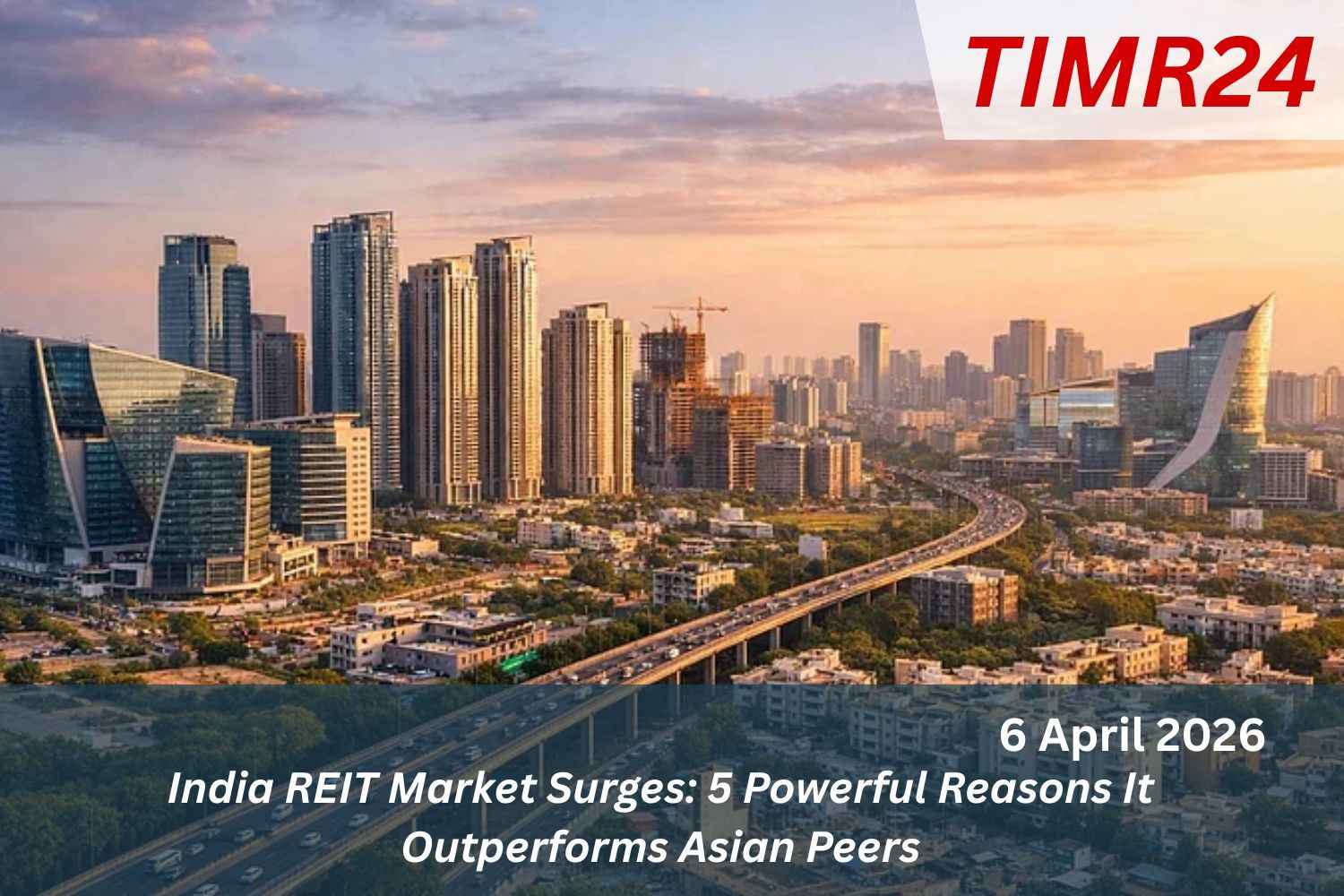







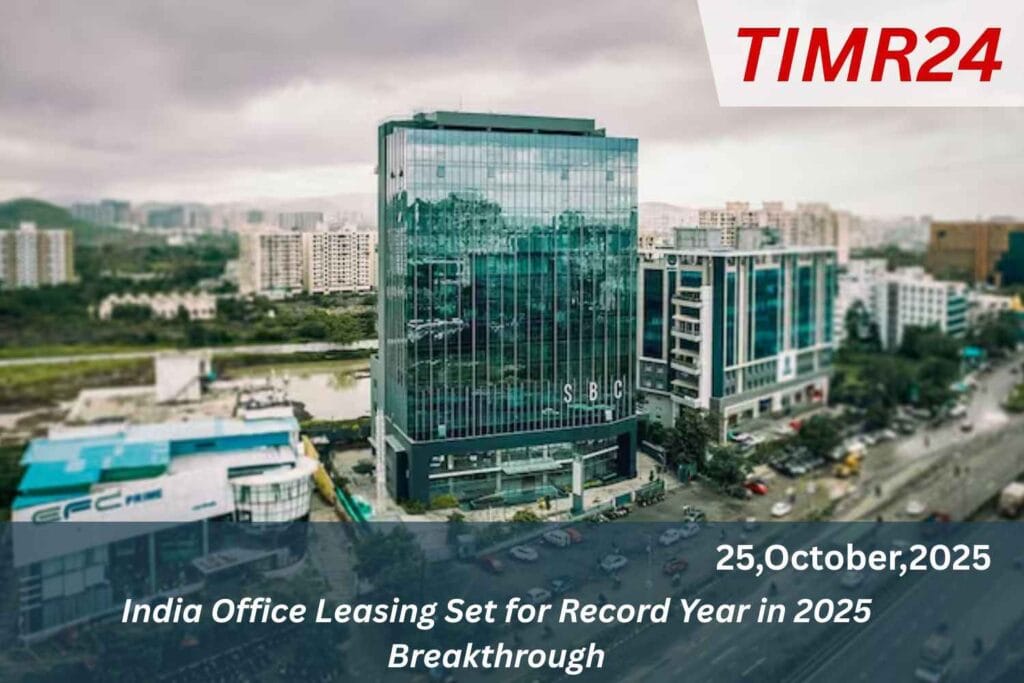
India’s office market is thriving, with leasing momentum remaining strong, with 8.8 million sq ft transacted in Q3. Bengaluru, NCR, and Mumbai are expected to touch 50 million sq ft this year, surpassing the 2024 record of 41 million sq ft. The surge is driven by Global Capability Centres (GCCs) and renewed demand from IT services firms. Despite nearly 9 million sq ft of new supply in the quarter, prime office rents across Bengaluru, NCR, and Mumbai rose 4.3% year-on-year, highlighting sustained occupier demand. Knight Frank expects India’s office market to sustain steady rental growth through 2026 India’s office leasing market in 2025 is poised for an unprecedented.
Boom, marking a significant milestone in the country’s commercial real estate landscape. Several factors converge to create this momentum, including the sustained growth of IT, fintech, and multinational companies expanding their footprint across major urban centers. The demand for modern, flexible, and technologically advanced office spaces has surged as businesses adapt to hybrid working models and prioritize employee experience. In cities like Bengaluru, Delhi-NCR, Mumbai, and Hyderabad, the appetite for Grade-A commercial spaces is at an all-time high, reflecting both the confidence of global investors and the strategic growth of domestic corporations.
According to industry insights from office leasing activity is projected to surpass all previous records, supported by both pre-committed corporate expansions and speculative leasing by developers anticipating robust demand The evolution of workspace requirements is also reshaping the office leasing landscape. Organizations are increasingly moving away from conventional layouts towards flexible workspaces that accommodate hybrid schedules, collaborative zones, and employee wellness areas. Coworking operators and modular office solutions are capturing significant market share, especially among startups and mid-sized companies seeking scalable leasing options.
Cities like Pune and Gurugram are emerging as new hubs for flexible office setups, providing tenants with strategic locations and connectivity benefits while ensuring operational efficiency. This trend complements the ongoing growth in traditional corporate leasing, creating a layered market where demand spans multiple categories of office solutions. Reports from (JLL India) indicate that vacancy rates are steadily declining in prime business districts, even as rental values continue to appreciate, underscoring the robustness of the leasing environment Sustainability and technology integration are further transforming leasing dynamics. Companies are actively seeking green-certified buildings.
Energy-efficient systems, and smart infrastructure to align with environmental, social, and governance (ESG) mandates. Developers are responding by incorporating IoT-enabled systems, automated HVAC, advanced security features, and employee-centric amenities, making offices more attractive for long-term tenancy. This shift not only improves operational efficiencies but also enhances employee productivity and retention, which are increasingly seen as critical factors in site selection. Cities like Bengaluru and Mumbai are leading with large-scale projects that combine sustainability with premium amenities, setting new benchmarks for office design and tenant expectations.
Insights from show that such smart and green offices consistently achieve higher leasing rates and shorter vacancy cycles, making them lucrative both for tenants and investors Investment activity in the office leasing sector has also intensified. Private equity funds, institutional investors, and real estate investment trusts (REITs) are increasingly participating in acquisitions of prime office assets across major cities. This investment trend is most visible in high-demand districts such as Bandra-Kurla Complex (BKC) in Mumbai and Gurugram’s Cyber City, where large-scale developments are backed by long-term corporate leases. The flow of institutional capital not only accelerates.
The development of new office projects but also ensures enhanced quality, compliance with international standards, and timely completion. For tenants, understanding the implications of such investments is crucial, as it influences lease negotiations, service offerings, and property management standards. Tools and resources like CRE India provide detailed city-specific leasing reports, helping occupiers and investors make informed decisions in a dynamic market The adoption of hybrid work models is perhaps one of the most influential forces in redefining office space demand. Companies are increasingly opting for smaller overall footprints but placing greater emphasis on.
Collaborative spaces, employee well-being, and technologically integrated environments. This approach has led developers to innovate with modular layouts, adaptable meeting areas, and community-focused amenities, which are particularly important in knowledge-intensive industries such as technology, finance, and consulting. In Bengaluru, large corporate campuses now feature wellness zones, flexible meeting rooms, and integrated coworking facilities that support both employee engagement and operational flexibility. The success of such office designs demonstrates that modern workplaces are no longer just about square footage; they are about experience.
Adaptability, and fostering collaboration, making them highly sought after in competitive leasing markets Despite the strong growth trajectory, challenges remain. Construction delays, rising material costs, regulatory compliance, and land acquisition hurdles can affect the pace of office supply. However, strategic collaborations between developers, investors, and government authorities are mitigating these risks, ensuring smoother project delivery and more reliable timelines. Tenants and investors who closely monitor these market developments, along with real-time data on rental trends and occupancy rates, are better positioned to capitalize on opportunities.
By leveraging insights from trusted industry sources such as businesses can identify emerging hotspots, anticipate shifts in leasing demand, and plan for long-term occupancy requirements The resilience of India’s office leasing market in 2025 also reflects broader macroeconomic trends. Economic growth, digital transformation initiatives, and favourable policy measures supporting real estate development collectively enhance the sector’s attractiveness. Foreign direct investment inflows into commercial real estate and growing interest from multinational corporations signify confidence in the stability and scalability of India’s urban office markets Leasing strategies are evolving.
Accordingly, with a mix of pre-leased, speculative, and flexible arrangements tailored to meet diverse corporate requirements. Cities such as Hyderabad and Pune are benefitting from spillovers demand from saturated primary markets, offering cost-effective yet strategically located office solutions that appeal to both established firms and new entrants the year 2025 is shaping up to be a record-setting period for India’s office leasing sector. Driven by the expansion of IT and fintech firms, the rising adoption of hybrid work models, the increasing preference for green and technologically advanced buildings, and sustained investment flows, the market is witnessing unprecedented growth.
Across multiple cities. Occupiers are prioritizing modern, flexible, and sustainable spaces, while investors are focusing on prime assets with long-term leasing potential. As vacancy rates decrease and rental values rise, the dynamics of supply and demand continue to strengthen, signaling a robust and evolving office ecosystem. Businesses seeking office spaces must stay informed about emerging trends, location-specific advantages, and tenant-centric innovations to make strategic decisions. With comprehensive planning and market awareness, both occupiers and investors can leverage India’s thriving office leasing landscape to achieve operational efficiency.
Employee satisfaction, and financial returns. Resources such as (Bengaluru) offer essential guidance for navigating this dynamic environment, ensuring that stakeholders are equipped to participate in one of the most exciting phases of India’s commercial real estate growth.
Q1. What is driving India’s office leasing boom in 2025?
Rapid expansion of IT, fintech, and multinational firms, along with hybrid work adoption, is fueling strong demand for flexible, Grade-A office spaces.
Q2. Which cities are witnessing the highest office leasing activity?
Bengaluru, Delhi-NCR, Mumbai, Pune, and Hyderabad are key hotspots attracting domestic and international tenants.
Q3. How are flexible workspaces impacting traditional office leasing?
Coworking and modular offices allow startups and mid-sized companies to scale efficiently, reducing the need for long-term leases.
Q4. Are sustainable and green buildings influencing leasing decisions?
Yes, corporates are increasingly choosing energy-efficient, green-certified buildings to meet ESG goals and improve employee productivity.
Q5. What should investors consider before leasing or buying office space in India?
Evaluate location dynamics, vacancy rates, rental trends, sustainability features, and market forecasts to make informed decisions.