
















IST - Saturday, February 21, 2026 9:40 pm
Hot News

India, Nepal sign pacts to boost cross-border power trade Breakthrough

Soniya Gupta

Updated on:

India

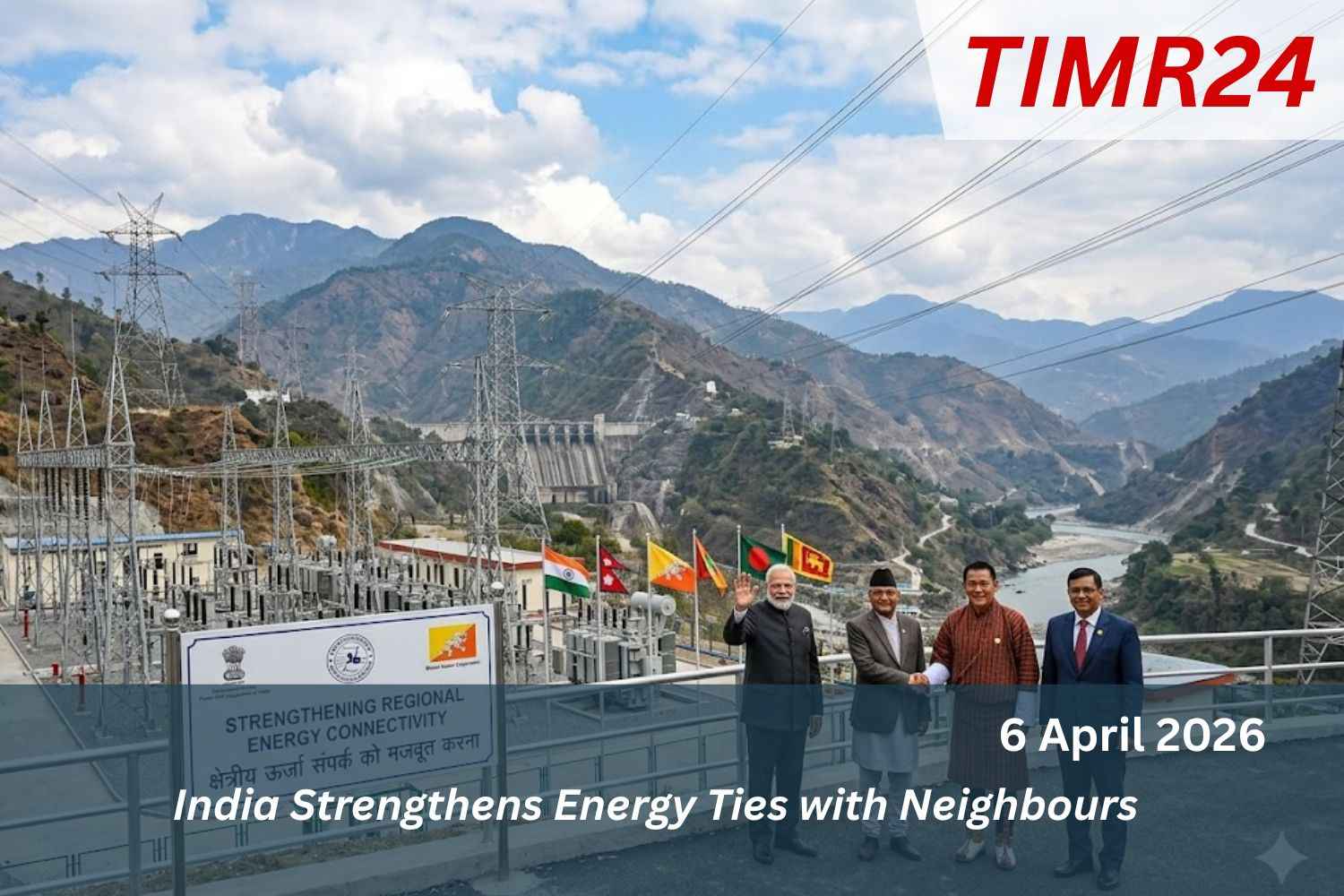
India and Nepal have strengthened their energy partnership by signing agreements to establish new cross-border power transmission lines, enhancing electricity trade and regional grid stability. During a meeting in New Delhi, Nepal’s Minister for Energy, Kulman Ghising, and India’s Minister for Power, Manohar Lal, discussed ongoing hydropower projects and plans to improve grid connectivity. Agreements between India’s Power Grid Corporation and Nepal Electricity Authority will facilitate two key projects: the Inaruwa New Purnea and Lamki–Bareilly 400 kV Double Circuit lines. These initiatives aim to boost electricity exchange, enhance grid resilience, and promote sustainable economic growth in both nations.

India and Nepal have taken a landmark step in strengthening their bilateral relationship by signing multiple agreements aimed at expanding cross-border electricity trade. This strategic move marks a significant breakthrough in regional energy cooperation and reflects a shared vision for sustainable growth and energy security in South Asia. The pacts are expected to enhance the flow of clean and reliable power between the two nations, unlocking massive potential in hydropower generation, grid connectivity, and renewable energy investment. These developments come as part of India’s larger vision to establish itself as a hub of green energy.

Strengthening Cross-Border Electricity Infrastructure

Aligning with Nepal’s ambition to become a major electricity exporter in the region The agreements signed between the two nations primarily focus on expanding and modernizing transmission networks that connect their power grids. One of the key highlights is the upgradation of the Dhalkebar–Muzaffarpur transmission line, which has already been instrumental in transferring power between India and Nepal. With new infrastructure additions, this interconnection is expected to handle higher capacities, potentially crossing 10,000 MW of electricity exchange by 2035. Both governments are also planning to establish additional cross-border corridors.

Such as the New Butwal–Gorakhpur and Inaruwa–Purnea lines, which will significantly enhance the reliability of power supply and facilitate round-the-clock electricity trade This step toward energy integration is not just about technology but also about trust and shared growth. For detailed insights on power grid connectivity projects which plays a vital role in India’s transnational power infrastructure expansion For related content, you may read India’s Renewable Energy Expansion Plan for a deeper understanding of domestic clean energy developments.

Hydropower Nepal’s Gift to South Asia

Nepal’s hydropower reserves are central to the success of this collaboration. The country has over 83,000 MW of hydropower potential, of which only a fraction has been utilized. With India’s technical expertise and financial backing, Nepal is now in a stronger position to accelerate its hydropower development programs. Several major projects, including Upper Tamakoshi, Arun III, and Upper Karnal, have already received Indian investments and are either operational or nearing completion India has agreed to buy power generated by Nepalese hydropower stations under long-term contracts, which ensures a stable revenue stream for Nepal and a reliable supply of clean energy for India.

This partnership not only enhances bilateral trade but also strengthens the South Asian energy grid, which aims to create a shared electricity market across neighboring countries The India-Nepal pacts have far-reaching implications beyond the power sector. By increasing electricity trade, both countries aim to boost their economic interdependence, attract foreign investment, and create job opportunities in the renewable energy domain. For Nepal, which experiences seasonal surplus generation, this partnership provides a profitable export avenue. For India, it ensures access to clean, cost-effective energy to meet its rapidly rising power demand.

The agreement also aligns with India’s Neighbourhood First Policy, which promotes economic collaboration and mutual development with South Asian nations. Additionally, the power trade deal strengthens the South Asian Association for Regional Cooperation (SAARC) framework, encouraging greater energy connectivity across borders. Enhanced cooperation in the energy sector can also pave the way for future trade in green hydrogen and battery storage technologies areas where India is rapidly advancing.

Sustainability and Clean Energy Goals

At the heart of the India-Nepal energy cooperation lies a commitment to sustainability. The two nations are working together to promote renewable energy integration and decarbonize their power sectors. By replacing fossil fuels with hydroelectric and solar power, both countries aim to reduce greenhouse gas emissions and move closer to their net-zero targets India’s National Electricity Plan (2023–32) outlines a clear strategy to expand renewable capacity to 500 GW by 2030. The partnership with Nepal complements this plan by ensuring a steady supply of clean power imports, which will help balance seasonal fluctuations in renewable generation. Similarly.

Nepal’s Hydropower Development Policy emphasizes cross-border cooperation to optimize its export potential While the India-Nepal energy partnership presents immense opportunities, it also faces challenges that need to be managed carefully. Regulatory harmonization, tariff alignment, (Solar) and infrastructure synchronization between the two nations are crucial for smooth operations. Environmental concerns and the resettlement of communities in hydropower project areas also need attention However, the overall outlook remains highly optimistic.

Diplomatic Significance and Regional Stability

Both governments have demonstrated strong political will and policy alignment. Future collaborations could extend to grid digitization, battery energy storage, and regional energy markets, creating a South Asian Power Pool that ensures stability and equitable energy access. Such developments would make the region a model for transnational renewable energy cooperation The power trade pacts also highlight how energy diplomacy can strengthen regional stability. Through cooperative energy sharing, India and Nepal are not only ensuring mutual prosperity but also fostering peace and interdependence in South Asia. Stable power exchange mechanisms.

Contribute to trust-building and reduce economic disparities between partner nations, the agreements showcase India’s leadership role in driving regional sustainability. By supporting its neighbours’ energy transitions, India enhances its influence in shaping the South Asian energy narrative, helping the region collectively combat climate change The recent power trade agreements between India and Nepal mark a monumental shift toward clean, cooperative, and sustainable energy development in South Asia. These pacts symbolize more than economic.

Exchange they represent a shared journey toward climate responsibility, regional unity, and energy independence. By leveraging their complementary strengths India’s technological and financial prowess and Nepal’s abundant hydropower potential the two nations have set the foundation for an energy-secure future As the region faces rising energy demands and environmental challenges, this breakthrough (Solar) partnership serves as a model for other nations to emulate. With growing connectivity, collaborative investments, and a clear commitment to renewable energy, India and Nepal are lighting the way toward a greener, more resilient tomorrow.

Q1. What is the purpose of the India-Nepal power trade agreement?
The goal is to increase cross-border electricity exchange and strengthen regional energy security.

Q2. How much power will India import from Nepal?
India plans to import up to 10,000 MW of clean hydropower from Nepal by 2035.

Q3. Which infrastructure projects are included in this agreement?
New high-voltage transmission lines and joint hydroelectric projects are key components.

Q4. How will the deal benefit Nepal?
Nepal will earn export revenue, attract investment, and enhance energy self-sufficiency.

Q5. Does the agreement support renewable energy goals?
Yes, it focuses on hydropower and sustainable energy integration to reduce carbon emissions.