


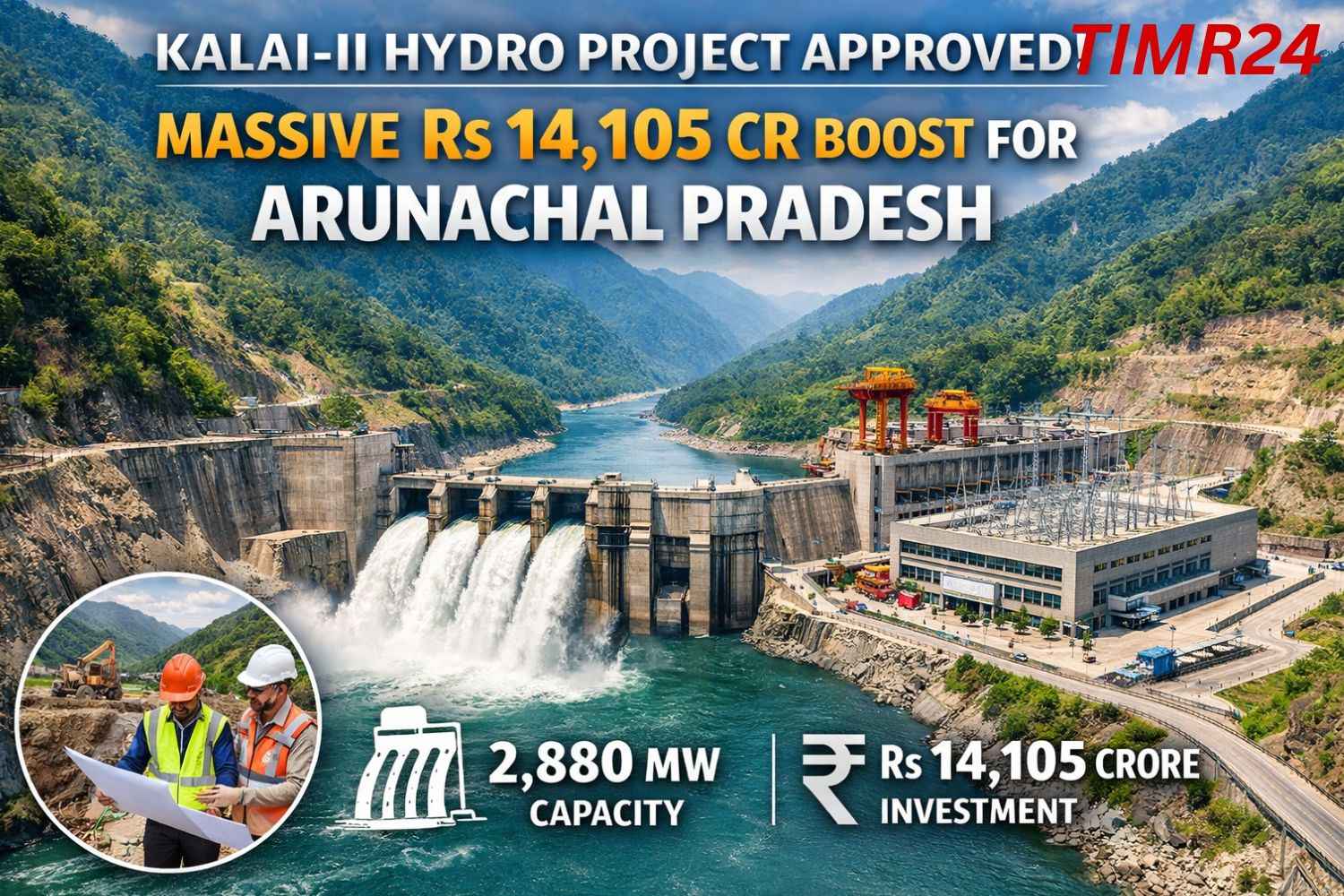

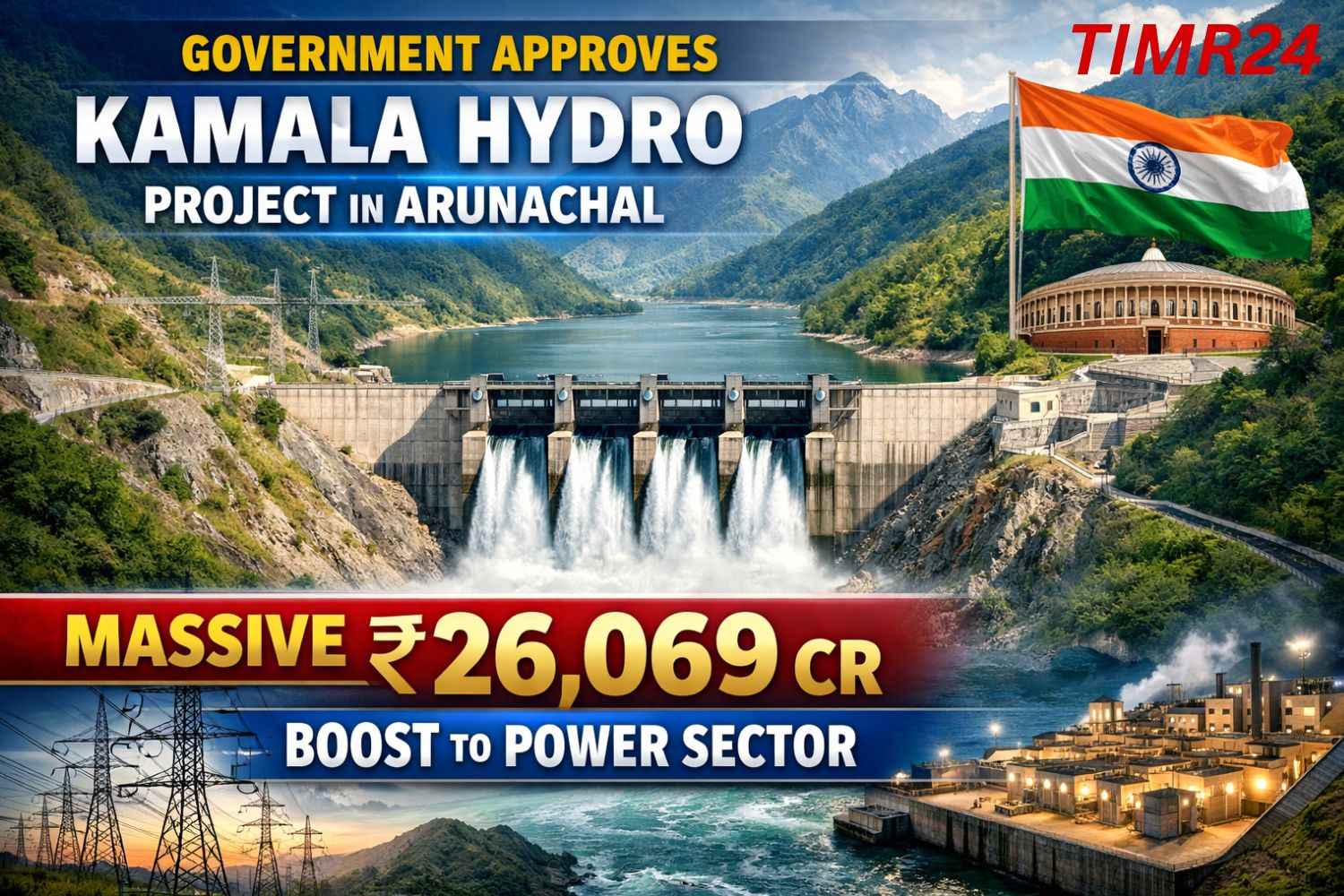






India has implemented several initiatives to boost hydro pumped storage projects (PSPs) in the country. Key measures include budgetary support for infrastructure, guidelines for site allotment methods, exemptions from free power obligations, simplified environmental clearance processes, and the use of exhausted coal mines. The government has waived Inter-State.
Transmission System (ISTS) charges for PSPs awarded before June 30, 2028. The Central Electricity Authority has streamlined the approval process, introduced Tariff-Based Competitive Bidding (TBCB) guidelines, and extended forest drilling investigation provisions to PSPs. As of June 30, 2025, 10 PSPs have been commissioned, 8 are under construction, 5 have received concurrence, and 46 are under survey and investigation for DPR preparation.
Introduction: A Shift Towards Clean Energy
India is making a decisive move to expand its clean energy portfolio by revitalising the hydropower sector. With growing electricity demand and the push for net-zero emissions by 2070, the government is introducing strategic reforms and incentives to make hydropower—Especially pumped storage projects (PSPs) a cornerstone of the energy transition. This policy shift aligns with India’s National Electricity Plan and broader decarbonisation goals.
Policy Reforms and Regulatory Support
In a significant policy update, the Ministry of Power has streamlined the approval process for hydroelectric projects and introduced viability gap funding for PSPs. The Centre is also working with state governments to allocate land and water resources efficiently. These steps come in addition to previously announced incentives, including Renewable Energy Purchase Obligations (RPOs) for hydropower. For further reference, the Ministry of Power outlines these updates in its hydropower development strategy.
Focus on Pumped Storage Projects (PSPs)
PSPs are gaining traction due to their ability to store surplus solar and wind power during off-peak hours and release it when demand peaks. This makes them ideal for balancing the grid and reducing reliance on thermal power. According to recent data from, India has identified over 100 potential PSP sites, with many projects already in the pipeline across Maharashtra, Madhya Pradesh, and Karnataka. These projects not only enhance grid reliability but also open new avenues for investment in renewable infrastructure.
Private Sector Participation and Financing
To attract private capital, the government is offering longer power purchase agreements (PPAs), tax breaks, and faster environmental clearances for pumped storage initiatives. Major players like JSW Energy and Tata Power are already investing in large-scale PSPs. The recent policy reforms have also encouraged public-private partnerships (PPPs), ensuring better risk-sharing mechanisms and faster project implementation. You can read more about private investments in renewables at. (Industrial Land)
Environmental and Social Considerations
The Ministry of Environment, Forest and Climate Change (MoEFCC) is actively involved in ensuring that hydropower development proceeds with minimal ecological disruption. Enhanced environmental impact assessments (EIAs), resettlement policies, and biodiversity safeguards are being enforced. These efforts aim to strike a balance between infrastructure development and environmental sustainability.
Looking Ahead: Long-Term Vision
Hydropower is poised to play a vital role in India’s long-term clean energy roadmap. With solar and wind being variable in nature, PSPs offer the perfect solution for round-the-clock renewable power. The combination of policy push, private participation, and technological innovation is setting the stage for India to emerge as a global leader in hydro-based clean energy. For further reading, visit our article on. (India’s Hydropower Projects).
Q1. What recent reforms has India introduced for hydropower?
India has simplified project approvals, provided viability gap funding, and prioritized pumped storage projects to accelerate hydropower growth.
Q2. Why is pumped storage important for India’s energy future?
Pumped storage helps balance intermittent renewable energy like solar and wind, ensuring grid stability and peak-hour energy supply.
Q3. Which states are leading in pumped storage development?
Maharashtra, Madhya Pradesh, Andhra Pradesh, and Chhattisgarh are actively signing Moues and launching large-scale pumped storage projects.
Q4. How much hydropower potential does India have?
India has an estimated hydropower potential of over 145 GW, with pumped storage being a major untapped segment.
Q5. How do these reforms support India’s clean energy goals?
The reforms align with India’s 2030 goal of 500 GW non-fossil capacity by enabling flexible, reliable, and renewable-backed power systems.