




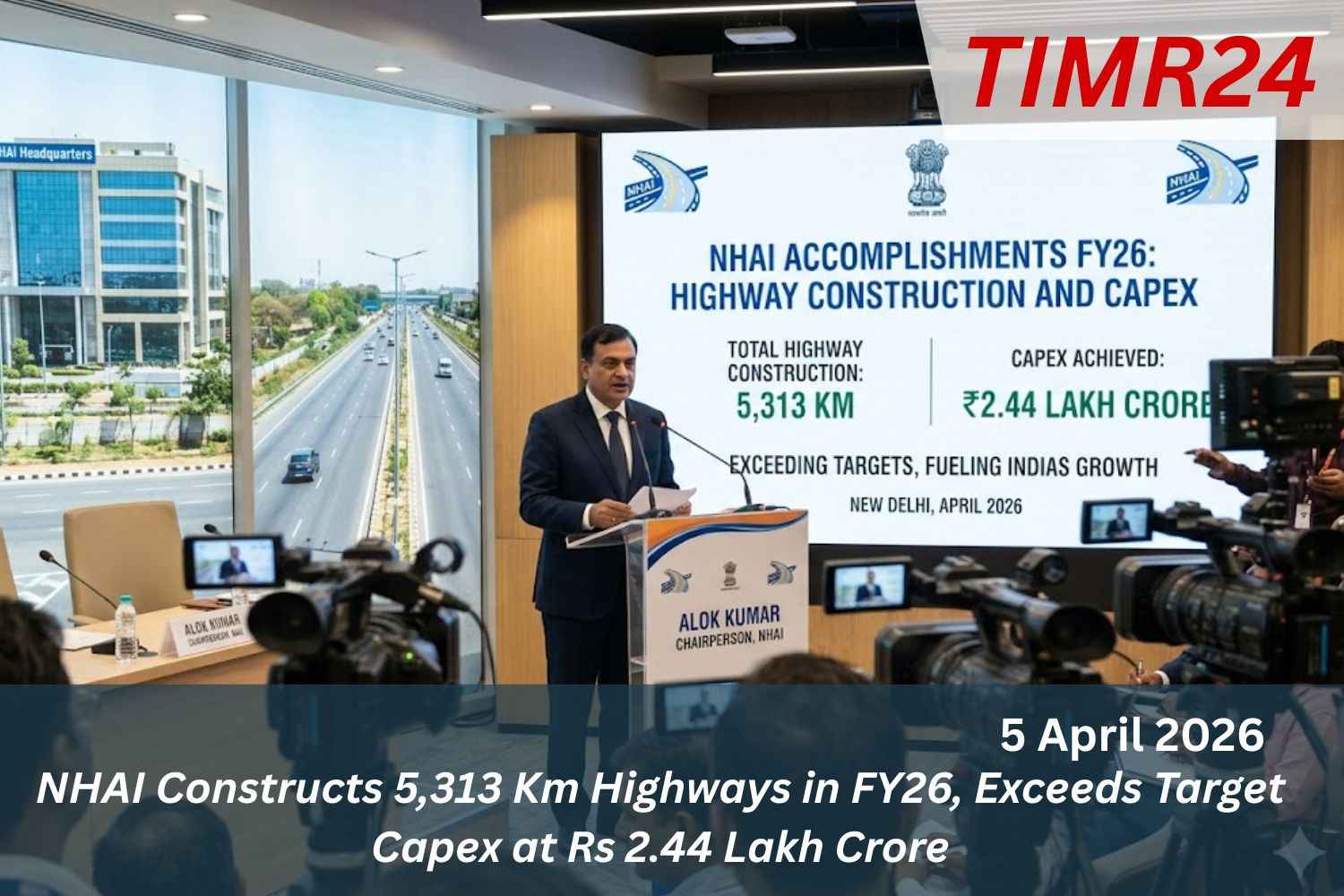




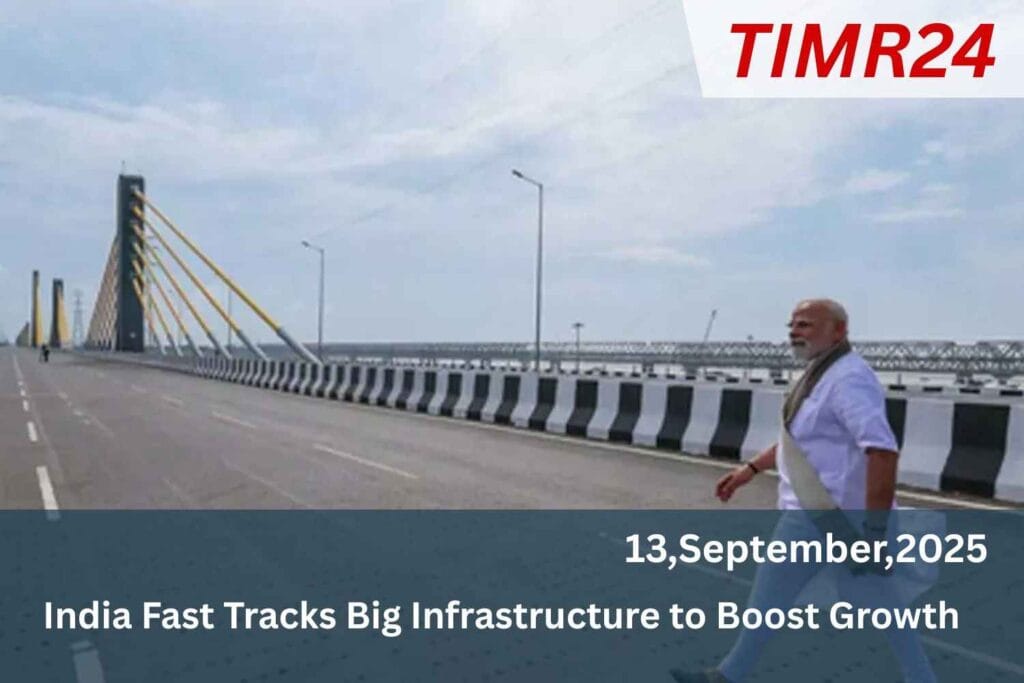
India is prioritizing large-scale infrastructure projects under the ‘Viksit Bharat 2047’ plan, following GST reforms. The road transport ministry plans to construct 50,000km of access-controlled highways over 10-12 years at an estimated cost of Rs 20 billion. The Union Budget for FY26 allocates Rs 11.21 billion for infrastructure spending, with public-private partnerships playing a key role in projects with strong return potential. The strategy aims to support India’s 7.8% GDP growth in Q1 FY26 amid global tariff pressures and geopolitical risks. Introduction
India is at a transformative stage of economic development where infrastructure has become
The backbone of growth. The government is aggressively pushing large-scale projects across transport, housing, energy, and digital sectors to accelerate GDP expansion, create jobs, and attract foreign investments. This infrastructure boom is not just about constructing roads or bridges; it is about reimagining India’s future with smart cities, high-speed connectivity, renewable power, and modern logistics networks. By fast-tracking approvals and financing, the country aims to deliver projects more efficiently while ensuring sustainable and inclusive development.
Transport Revolution Roads, Railways, and Airports
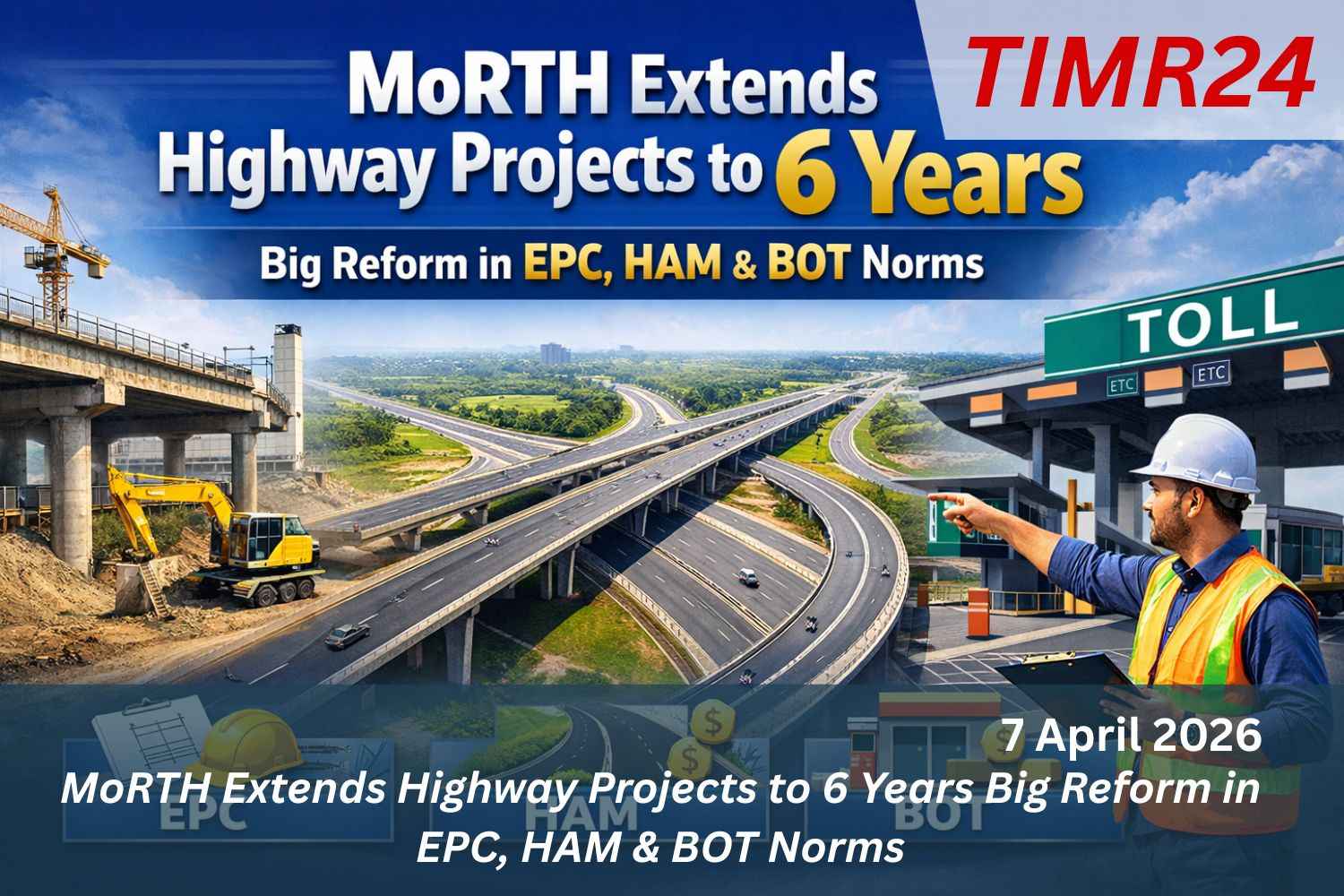
The transport sector is seeing historic investments under programs like Bharatmala Pariyojana, designed to connect remote areas with express highways and improve trade corridors. Logistics costs in India have traditionally been high, but new expressways such as the Delhi-Mumbai Expressway are set to reduce both travel time and economic inefficiencies. At the same time, India is building a high-speed rail network, with the Mumbai–Ahmedabad Bullet Train Project as the centerpiece. This project, supported by Japanese funding, represents a leap toward world-class railway infrastructure. Meanwhile, airport modernization is also underway, with major hubs like
Delhi, Mumbai, and Bangalore expanding capacity to handle rising passenger and cargo demand. These initiatives not only improve connectivity but also strengthen India’s position as a global business hub (Bullet Train) As India urbanizes, the pressure on cities to deliver modern infrastructure is immense. The Smart Cities Mission is redefining urban living by integrating technology, green spaces, waste management, and digital governance. From Bhopal’s intelligent traffic systems to Pune’s smart water management, these projects enhance efficiency while improving residents’ quality of life. Affordable housing also remains a focus, with the Pradhan Mantri Awas Yojana.
Energy and Sustainability
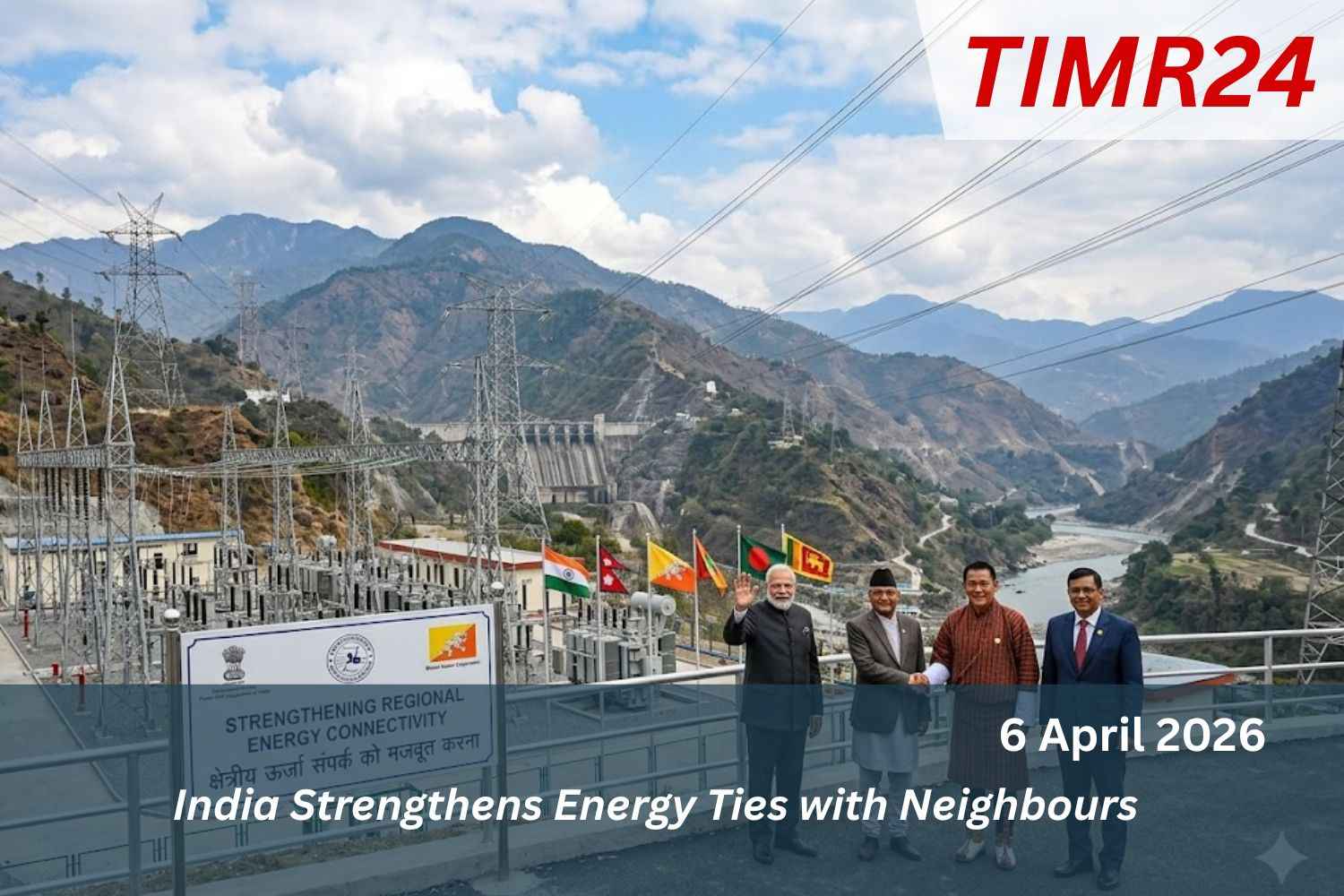
(PMAY) enabling millions to access modern homes. These urban development programs are building resilient cities capable of supporting growing populations and industries Infrastructure expansion in India is closely aligned with sustainability goals. With a target of reaching net zero emissions by 2070, renewable energy infrastructure is expanding rapidly. Massive solar projects in states like Rajasthan and Gujarat, along with offshore wind farms, are reducing reliance on coal. The National Solar Mission is leading this shift, providing clean power to industries and households alike. Additionally, green building technologies are being adopted in urban centers.
Every major infrastructure initiative creates a ripple effect across industries. Large-scale construction directly generates jobs for engineers, architects, and laborers, while also boosting steel, cement, and machinery industries. Improved highways reduce logistics costs, thereby enabling manufacturing companies to expand into new markets. Rail and port upgrades allow exporters to compete globally by lowering shipping times. These benefits extend to small businesses as well, as better connectivity increases access to rural markets. For example, the freight corridor projects make it easier for farmers to transport agricultural produce at lower costs, enhancing rural incomes.
Unlike older projects that focused purely on physical construction, today’s infrastructure integrates cutting-edge technology. AI-based traffic monitoring, IoT-enabled smart grids, and data-driven governance tools are being deployed to make infrastructure more efficient. For example, metro networks in cities like Delhi and Hyderabad are adopting smart ticketing systems and energy-efficient rolling stock. Similarly, airports are deploying biometric systems for seamless passenger flow. The government is also promoting digital twin technology for project planning and execution, ensuring accuracy and reducing costs. This approach aligns with the broader Digital India initiative, which seeks to make governance transparent and technology-driven.
Ports and Logistics Expansion
India’s fast-tracking policy has attracted significant global interest. Japan’s JICA is a key partner in funding high-speed rail, while European countries are investing in renewable power and urban mobility projects. The United States has also expressed interest in collaborating on smart city development and digital infrastructure. These global investments bring not just capital but also advanced technologies and management expertise, raising the standard of execution in Indian projects. Moreover, public-private partnerships (PPPs) are playing a vital role in financing, ensuring that projects do not solely rely on government budgets.
India’s growth story is incomplete without its ports and logistics sector. Initiatives like Sagarmala Project are modernizing ports, improving inland waterways, and reducing shipping bottlenecks. The dedicated freight corridors are designed to connect industrial hubs directly with ports, cutting travel time for goods significantly. This infrastructure is crucial for India’s ambitions to become a global manufacturing hub under the Make in India initiative. Enhanced logistics networks also reduce costs for exporters, making Indian goods more competitive in international markets A key aspect of India’s infrastructure strategy is ensuring balanced regional development. States like Bihar,.
Uttar Pradesh, and the Northeast, which were historically underdeveloped, are now seeing rapid progress in road, rail, and airport projects. Industrial corridors are being developed to spread growth beyond metros, providing equal opportunities to Tier 2 and Tier 3 cities. This inclusive approach helps bridge the rural-urban divide, allowing smaller towns to become engines of growth India’s infrastructure push represents more than physical development it is a comprehensive strategy to position the country for sustained economic growth, global competitiveness, and improved quality of life for its citizens. By integrating sustainability, technology, and international collaboration.
India is creating a resilient foundation for future generations. Whether through expressways, bullet trains, smart cities, or renewable energy projects, the country is setting a pace of development that matches its ambition to be among the world’s leading economies. where developers are integrating eco-friendly (MNRA) designs and energy-efficient materials. This green push ensures that growth does not come at the expense of the environment.
Q1. Why is India focusing on fast-tracking infrastructure projects?
To boost GDP, generate jobs, and strengthen connectivity across sectors like transport, energy, and logistics.
Q2. Which sectors are getting priority in India’s infrastructure drive?
Roads, railways, airports, ports, renewable energy, and urban development projects are top priorities.
Q3. How will these projects impact India’s economy?
They will attract foreign investment, improve trade efficiency, and create millions of direct and indirect jobs.
Q4. What role does technology play in modern infrastructure projects?
AI, IoT, and green technologies are being integrated to build sustainable and future-ready infrastructure.
Q5. How can citizens benefit from this infrastructure push?
Citizens will enjoy faster travel, better housing, improved urban facilities, and enhanced quality of life.