















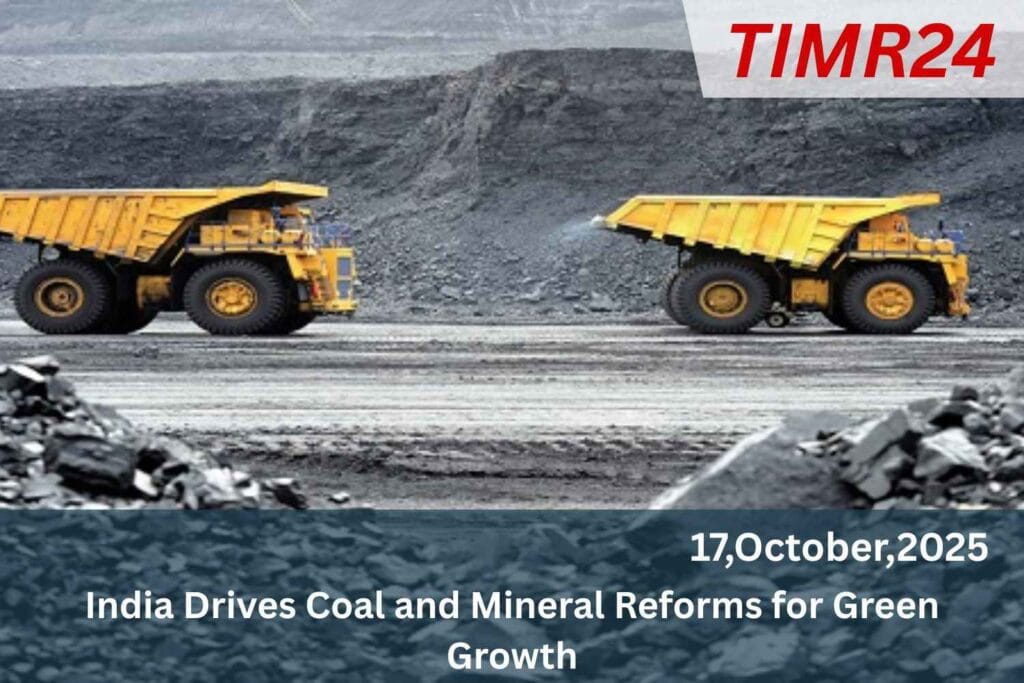
India is implementing significant reforms in its coal and mineral sectors to meet growing energy needs and achieve sustainability goals. The Coal Gasification Mission aims to produce 100 million tonnes by 2030, supported by an Rs 8.5 billion incentive scheme. Coal PSUs are diversifying into renewables, and over 57,000 hectares of mined land have been reclaimed. The National Critical Minerals Mission focuses on strategic stockpiles and overseas assets. India is undergoing a transformative phase in its coal and mineral sectors, striving to balance the dual imperatives of meeting escalating energy demands and advancing sustainable development. This strategic shift is encapsulated in the nation’s commitment.
To green growth a paradigm that integrates environmental stewardship with economic progress Under the leadership of Union Minister G. Kishan Reddy, India has initiated comprehensive reforms aimed at revitalizing its coal and mineral industries. These reforms are designed to enhance domestic production, improve efficiency, and reduce environmental impact. In the fiscal year 2024–25, domestic coal production exceeded 1 billion tonnes, with projections indicating a rise to 1.6 billion tonnes by 2030 (Coal) This surge is facilitated by the government’s Coal Gasification Mission, which targets the conversion of 100 million tonnes of coal by 2030.
Integration of Renewable Energy Initiatives
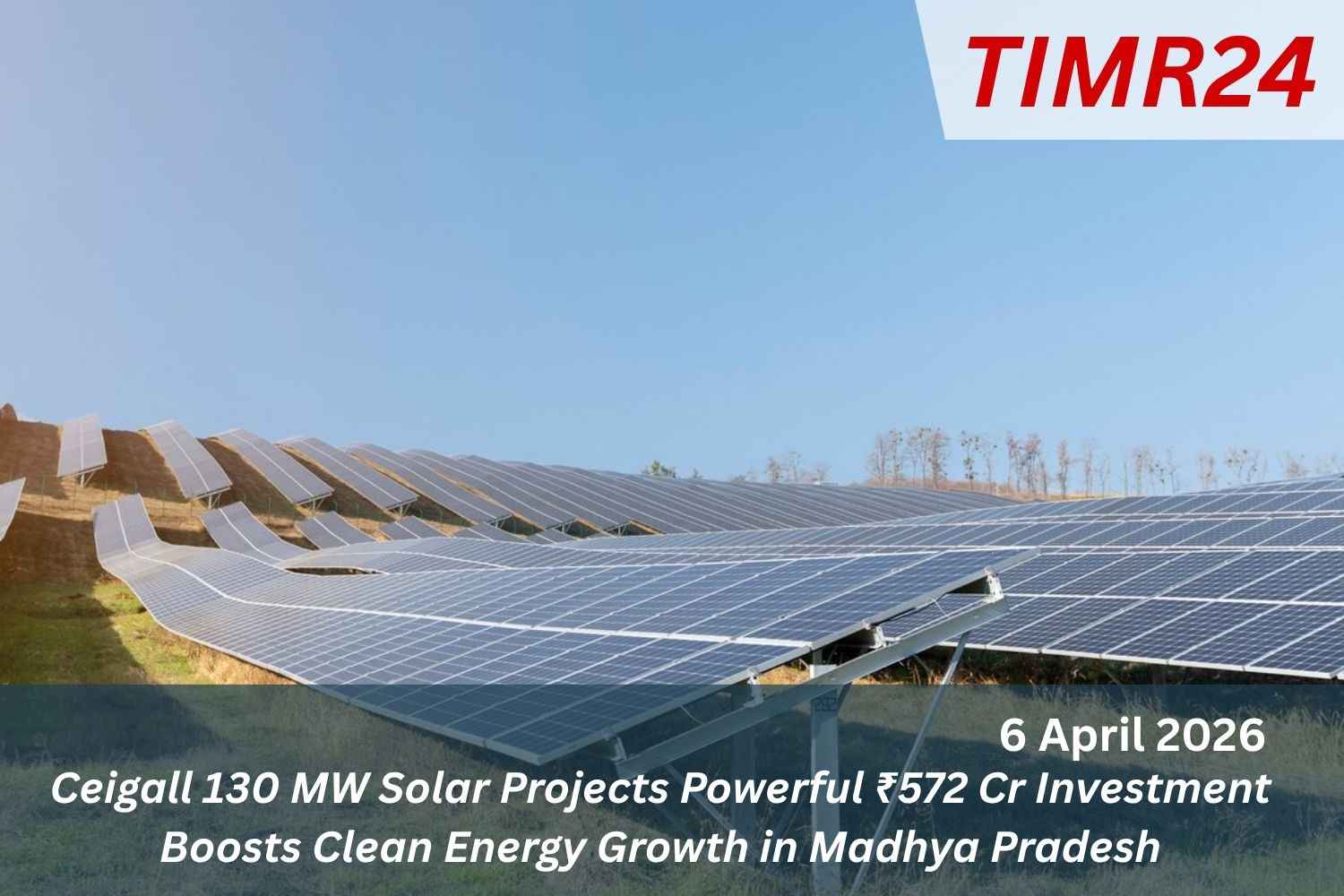
Supported by an ₹8,500 crore incentive scheme Simultaneously, the mineral sector is experiencing a paradigm shift. The government has auctioned 542 mineral blocks, including 34 critical minerals, to private and junior exploration agencies. This move aims to bolster domestic production and reduce dependency on imports, particularly in the context of clean energy technologies Recognizing the need for a diversified energy portfolio, Coal Public Sector Undertakings (PSUs) are proactively investing in renewable energy. Collectively, these PSUs have already added 1,900 MW of solar and wind capacity, with ambitious plans to reach 15 GW by 2030 A notable example the Neyveli.
Lignite Corporation, which is contributing 10.11 GW to this renewable energy target. Furthermore, Coal India Limited (CIL) has entered into a significant agreement to supply approximately 4,500 MW of renewable energy for green ammonia production, underscoring the integration of traditional and renewable energy sources Environmental sustainability is a cornerstone of India’s coal and mineral reforms. The government has undertaken extensive land reclamation projects to mitigate the ecological impact of mining activities. To date, over 57,000 hectares of mined land have been restored, with an additional 16,000 hectares targeted for reclamation by 2030 under.
Technological Advancements and Innovation
The Mission GREEN Coal Regions initiative These efforts are complemented by afforestation programs, with Coal/Lignite PSUs planting approximately 54.46 lakh saplings over 2,782 hectares in the fiscal year 2023–24 The adoption of advanced technologies is pivotal in enhancing the efficiency and sustainability of coal and mineral operations. Artificial Intelligence (AI), drone surveys, and remote sensing technologies are being employed to facilitate private exploration of critical minerals, thereby improving resource mapping and reducing exploration risks In the steel sector, innovations such as hydrogen-based steelmaking and carbon capture technologies are being explored to reduce the carbon footprint associated with coal-intensive processes.
A significant aspect of India’s green growth strategy is the emphasis on a just transition for communities dependent on coal and mineral industries. In regions like Gadchiroli, efforts are underway to establish green steel hubs that prioritize local employment and environmental protection. The initiative includes creating one lakh jobs for local youth and planting five crore trees to protect the region’s ecosystem Such projects aim to ensure that the shift towards sustainable practices does not marginalize communities but instead fosters inclusive development.
Policy Support and Institutional Framework
The Indian government has introduced several policy measures to support the transformation of the coal and mineral sectors. The establishment of a coal trading exchange is one such initiative, aimed at promoting competitive markets for coal sales and enhancing efficiency in the sector Reuters. Additionally, the revision of land acquisition laws, such as the Coal Bearing Areas Act of 1957, is being considered to align with contemporary environmental and social standards, ensuring that mining activities are conducted responsibly India’s approach to coal and mineral reforms exemplifies a balanced strategy that seeks to harmonize energy security with environmental sustainability.
Through strategic reforms, technological innovations, and a commitment to social equity, the nation is paving the way for a green growth trajectory that can serve as a model for other developing economies. While challenges remain, India’s proactive measures and forward-thinking policies underscore its dedication to achieving sustainable development goals and fostering a resilient energy future.
Q1. What are India’s recent coal and mineral reforms?
India has introduced policy reforms to modernize coal mining, streamline mineral extraction, and promote sustainable mining practices.
Q2. How will these reforms contribute to green growth?
The reforms aim to reduce environmental impact, improve energy efficiency, and support renewable energy initiatives.
Q3. Who benefits from these coal and mineral reforms?
Industries, local communities, and the environment benefit through improved resource management, job creation, and reduced emissions.
Q4. What is the role of private players in these reforms?
The government encourages private investment in coal and mineral sectors to improve efficiency and adopt sustainable practices.
Q5. Where can I find official updates on these reforms?
Updates are available on the (Coal)