















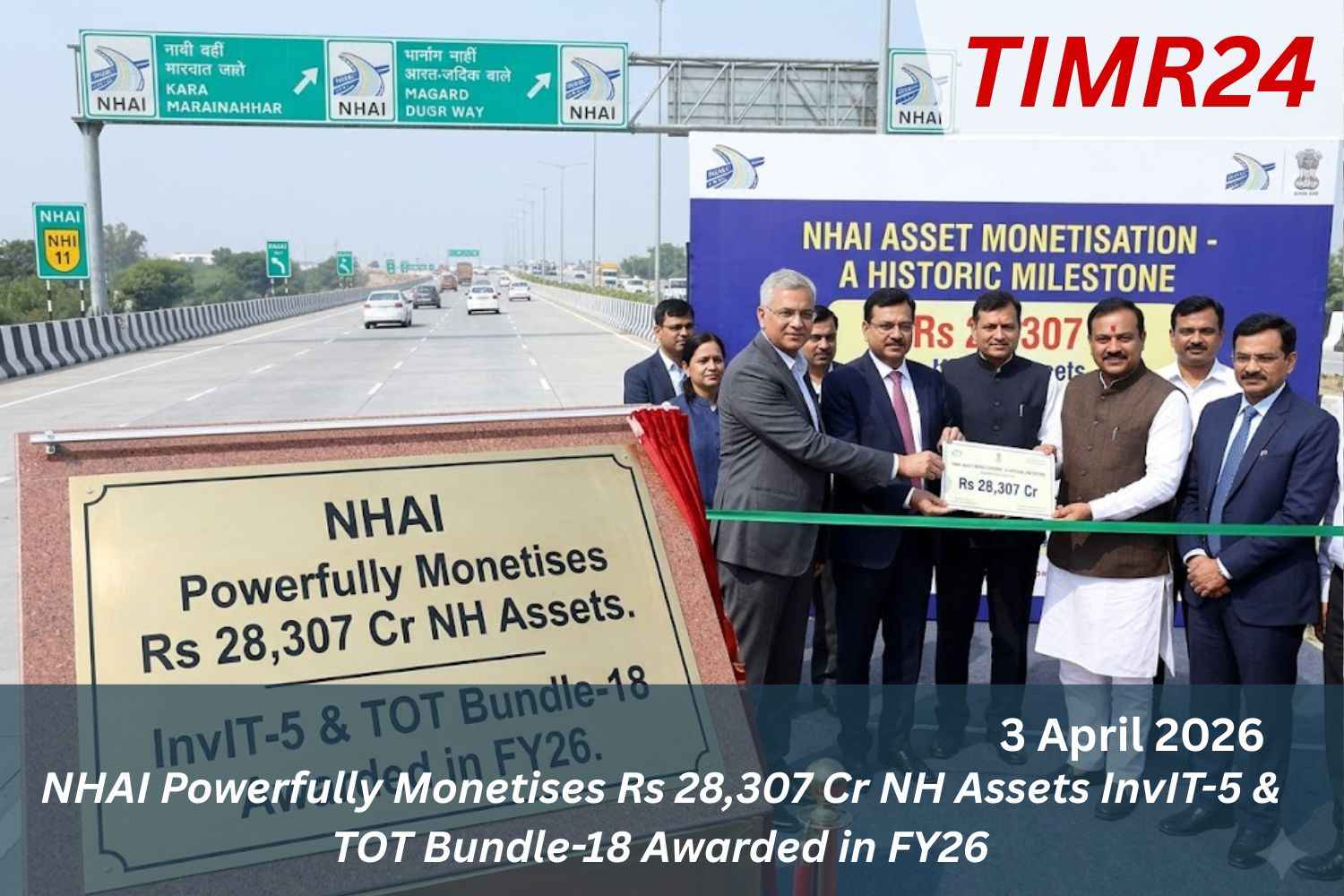


The 50 km Haridwar Spur, part of the Delhi–Saharanpur–Dehradun Economic Corridor, is designed to improve access to Haridwar by alleviating urban congestion and accommodating increasing traffic from pilgrims and locals. This access-controlled route enhances travel efficiency and road safety, aligning with NHAI’s commitment to sustainable infrastructure development for better mobility and smoother journeys The development of the Haridwar Spur marks a significant step forward in strengthening rail corridor efficiency while ensuring safer and faster access to one of North India’s most important transport and pilgrimage hubs. Haridwar has long served as.
Passenger Volumes And Freight
A gateway connecting northern states, religious tourism circuits, and emerging logistics routes. With increasing passenger volumes and freight movement, the need for dedicated rail infrastructure became critical. The Haridwar Spur addresses this challenge by streamlining rail access and improving operational reliability across connected corridors, reinforcing the role of modern railways in regional growth. Projects like this are part of a wider transformation discussed under major rail infrastructure projects that aim to future-proof India’s transport network through targeted upgrades and capacity expansion At its core, the Haridwar Spur is designed to reduce.
Operational bottlenecks that previously affected train movement near busy junctions. By providing a dedicated spur line, trains can enter and exit the main corridor with fewer conflicts, reducing delays and improving punctuality. This becomes especially important during peak pilgrimage seasons, when Haridwar experiences massive surges in passenger traffic. The improved alignment and signalling systems enhance safety while allowing smoother transitions between routes. Such improvements are closely aligned with broader Indian Railway upgrades that focus on balancing speed, safety, and efficiency without compromising network resilience.
Creating Clearer Train
Safety remains one of the most critical benefits of the Haridwar Spur. Traditional junction congestion often increases the risk of operational errors, slower response times, and maintenance challenges. The new spur mitigates these risks by creating clearer train paths and reducing crossing movements. Enhanced track design, improved signalling, and better traffic segregation contribute to a safer rail environment for both passengers and railway staff. This aligns with national transport safety initiatives highlighted across transport safety initiatives, where infrastructure design plays a direct role in accident prevention and service reliability.
Beyond operational gains, the Haridwar Spur significantly improves corridor accessibility for passengers. Faster entry and exit from the mainline translate into reduced travel time for long-distance trains and suburban services alike. For pilgrims traveling from across the country, smoother access means a more predictable and comfortable journey. For daily commuters, especially those connecting to nearby cities and towns, reliability becomes a key advantage. These benefits collectively enhance public confidence in rail travel and support a shift towards more sustainable transport modes, a priority emphasized by Indian Railways and national mobility policies outlined on.
Haridwar’s Strategic Location
The impact of the Haridwar Spur extends well beyond passenger movement, playing a crucial role in logistics and freight operations. Haridwar’s strategic location makes it a vital node for regional supply chains connecting northern industrial clusters and consumer markets. Faster and safer corridor access improves turnaround times for freight trains, reduces congestion costs, and supports just-in-time logistics models. As India continues to invest in integrated logistics corridors, such spur lines become essential enablers of efficient freight flow. This approach aligns with national manufacturing and logistics ambitions promoted under initiatives From a regional development.
Perspective, the Haridwar Spur contributes to balanced economic growth by improving connectivity between urban centers, religious destinations, and emerging industrial zones. Enhanced rail access encourages tourism, supports local businesses, and creates employment (India) opportunities linked to station services, maintenance, and ancillary infrastructure. Improved connectivity also boosts investor confidence, as reliable transport infrastructure is a key determinant in location decisions Technologically, the Haridwar Spur reflects modern engineering standards that prioritize durability, safety, and scalability. Improved track geometry, upgraded signalling, and compatibility.
Rail Corridor Access
With future electrification or capacity enhancements ensure that the spur remains relevant for decades. Such forward-looking design is increasingly common in contemporary rail projects The environmental benefits of improved rail corridor access should not be overlooked. By enabling smoother train operations and reducing idling or congestion-related delays, the Haridwar Spur helps lower fuel consumption and emissions. Encouraging rail usage over road transport also contributes to reduced carbon footprints, particularly in high-traffic pilgrimage regions. These environmental gains align with India’s broader sustainability goals and reinforce railways as an.
Environmentally responsible mode of mass transport. Within the larger framework of logistics corridor development, rail-centric solutions play a pivotal role in balancing growth with environmental stewardship In the long term, the Haridwar Spur serves as a model for how targeted infrastructure interventions can deliver outsized benefits. Rather than relying solely on large-scale corridor expansions, strategic spur development addresses specific pain points while optimizing existing assets. This approach allows Indian Railways to maximize returns on investment, improve service quality, and respond flexibly to changing demand patterns. As similar projects are planned and executed across.
Haridwar Spur Enhances
The network, the lessons learned from Haridwar will inform future decisions related to design, safety integration, and stakeholder coordination Ultimately, the Haridwar Spur enhances faster and safer corridor access in a way that supports national mobility goals, regional (India) development, and passenger satisfaction. By combining operational efficiency with safety, sustainability, and economic impact, the project underscores the importance of smart rail infrastructure planning. As India continues its journey toward a modern, resilient, and inclusive transport system, developments like the Haridwar Spur will remain central to connecting people.
Q1. What is the Haridwar Spur project?
It is a dedicated rail spur designed to improve faster and safer access to major rail corridors connected to Haridwar.
Q2. Why is the Haridwar Spur important?
The spur reduces congestion, improves safety, and strengthens connectivity for passengers, tourism, and freight movement.
Q3. How does it enhance corridor efficiency?
By separating traffic flows and improving rail geometry, the spur allows smoother and quicker train operations.
Q4. Who benefits most from this development?
Pilgrims, daily commuters, logistics operators, and regional businesses gain from improved access and reliability.
Q5. How does it support future rail modernization?
The project aligns with Indian Railways’ broader goals of capacity expansion, safety upgrades, and smart mobility.