


















GCCs India is projected to maintain rapid economic growth, with the IMF increasing its GDP growth estimate for 2026 from 6.1% to 6.3% and a forecast of 6.5% for 2027, supported by strong domestic demand and positive bilateral trade agreements. These agreements, particularly with the US, EU, UK, and France, are expected to enhance India’s export competitiveness, reduce barriers for global firms, and increase demand for Grade A offices and warehouses. The growth of Global Capability Centers (GCCs) is significant, accounting for around 40% of office demand, fueled by their evolution from cost centers to innovation hubs. Since 2020, GCCs have demanded approximately 117 million sq ft of office space.
Space Demand Profoundly, Aligning
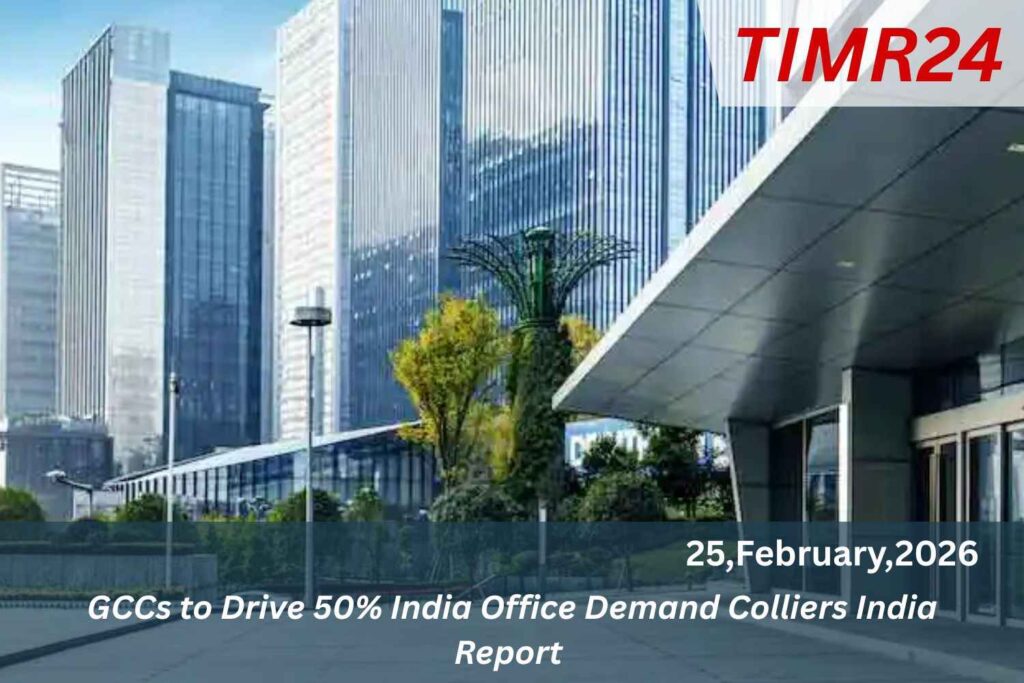
With their share of overall leasing expected to exceed 40% by 2025. Demand patterns vary among US, UK, and EU firms, with US GCCs favoring technology sectors while EU firms focus on engineering and manufacturing. Overall, GCCs are set to drive office space demand profoundly, aligning with high-value functions and leveraging India’s skilled workforce and cost advantages India’s commercial real estate sector is undergoing a significant transformation as Global Capability Centers (GCCs) emerge as a dominant force shaping office space demand across the country. According to a recent report by Colliers India, GCCs are projected to account for nearly 50% of total office leasing.
Demand in India in the coming years. This development reflects the country’s growing importance as a global business hub and highlights the increasing role multinational companies are playing in strengthening India’s corporate infrastructure. The findings also indicate how technological advancements, cost advantages, and access to skilled professionals are encouraging global firms to establish and expand their presence in India The report suggests that Global Capability Centers, which serve as offshore units for multinational corporations managing functions such as information technology, finance, research and development, customer services, and analytics, have witnessed.
Innovation Driven Growth India
Remarkable growth in India over the past decade. These centers have evolved from basic outsourcing units into strategic innovation hubs responsible for high-value operations. As businesses seek operational efficiency and innovation-driven growth, India continues to attract global enterprises looking to optimize costs while maintaining service quality and productivity. This shift has significantly increased demand for Grade A office spaces, particularly in metropolitan regions with strong infrastructure and talent ecosystems Major cities such as Bengaluru, Hyderabad, Pune, and Chennai have become key destinations for GCC investments due to their advanced.
Technology ecosystems and strong workforce availability. The report highlights that Bengaluru remains the leading market for GCC expansion, driven by its established reputation as India’s technology capital and its robust startup ecosystem. Hyderabad is also witnessing substantial growth due to government support, infrastructure development, and competitive operational costs. Pune and Chennai continue to attract multinational firms due to their engineering talent base and expanding commercial infrastructure. These cities are experiencing rising office absorption rates, which in turn is accelerating urban development and boosting local economies.
India Offers Companies Access
One of the primary drivers behind the growing demand for office space by GCCs is India’s large and highly skilled talent pool. With a strong base of professionals in information technology, engineering, finance, and data analytics, India offers companies access to a workforce capable of handling complex global operations. Additionally, the country produces a significant number of graduates each year, further strengthening its talent pipeline. Companies establishing GCCs in India benefit from this talent advantage, enabling them to scale operations efficiently while maintaining cost effectiveness compared to developed markets.
Cost efficiency remains another key factor encouraging multinational corporations to expand their office footprint in India. Compared to Western countries, operational costs such as real estate, workforce expenses, and infrastructure investments are relatively lower in India. This economic advantage allows companies to improve profitability while maintaining high standards of service delivery. The report notes that organizations are increasingly prioritizing India as a strategic destination for business expansion due to these financial benefits combined with operational reliability The expansion of GCCs is also influencing workplace trends and office design.
Modern Office Spaces That Support
Strategies across India Companies are now focusing on flexible workspaces, technology-enabled offices, and employee-centric environments to enhance productivity and collaboration. Hybrid work models are shaping demand for modern office spaces that support both in-office and remote working arrangements. Developers and real estate investors are responding to this trend by designing smart buildings equipped with advanced digital infrastructure, sustainability features, and improved workplace amenities. As a result, India’s commercial real estate market is evolving to meet the changing needs of global corporations The growth of GCCs is not limited to.
The technology sector alone. The report highlights increasing demand from industries such as banking, financial services, insurance (BFSI), healthcare, manufacturing, and research and development. These sectors are establishing capability centers to manage global operations, drive innovation, and improve service delivery. The diversification of GCC activity across multiple industries is expected to further strengthen office demand and support long-term growth in India’s real estate sector Another important aspect discussed in the report is the role of government initiatives in supporting the expansion of GCCs. Policy reforms aimed at improving ease of doing business.
Further Facilitated Corporate Expansion
Enhancing infrastructure, and promoting digital transformation have contributed to India’s attractiveness as a global investment destination. Government support for technology parks, special economic zones, and smart city initiatives has further facilitated corporate expansion. These (India) measures have created a favorable business environment that encourages multinational companies to establish long-term operations in the country The increasing presence of GCCs is also generating broader economic benefits for India. The expansion of office spaces leads to job creation, infrastructure development, and increased investment in urban areas.
Local businesses such as retail, hospitality, and transportation services benefit from rising corporate activity. Additionally, the growth of GCCs contributes to knowledge transfer, innovation, and skill development, strengthening India’s position in the global economy From a real estate perspective, developers are witnessing increased demand for premium office spaces, particularly in integrated business districts and technology parks. The report suggests that leasing activity by GCCs is expected to remain strong over the next few years, driving new project launches and infrastructure upgrades. Investors are also showing increased interest in India’s commercial real estate sector.
By GCC Demand Companies
Due to its growth potential and stable returns. This trend is likely to enhance market competitiveness and improve overall quality standards in office developments, sustainability is emerging as a key focus area in office space development driven by GCC demand. Companies are increasingly seeking environmentally responsible buildings that reduce energy consumption and support long-term sustainability goals. Green-certified buildings, energy-efficient designs, and eco-friendly workplace practices are becoming essential factors in leasing decisions. This shift is encouraging developers to adopt sustainable construction practices and invest in environmentally conscious infrastructure.
Looking ahead, the report by Colliers India suggests that India’s office market will continue to experience steady growth as global corporations expand their presence through GCCs. The increasing adoption of digital technologies, artificial intelligence, and data-driven (India) operations is expected to further boost demand for specialized office spaces. As companies seek innovation and operational excellence, India is likely to remain a preferred destination for global business operations the projection that GCCs will drive nearly 50% of office space demand in India reflects a significant shift in the country’s commercial real estate landscape.
The combination of skilled talent, cost advantages, supportive government policies, and evolving workplace strategies has positioned India as a global hub for corporate operations. The growth of GCCs is not only transforming office demand but also contributing to economic development, technological advancement, and urban growth. As multinational companies continue to invest in India, the commercial real estate sector is expected to witness sustained expansion, reinforcing the country’s status as a leading destination for global business and innovation.
Q1. What are Global Capability Centers (GCCs)?
Global Capability Centers (GCCs) are offshore units of multinational companies that handle services like IT, finance, research, analytics, and customer support.
Q2. What does the Colliers India report say about GCCs?
The report states that GCCs are expected to contribute nearly 50% of total office space demand in India in the coming years.
Q3. Why are GCCs increasing office demand in India?
GCC growth is driven by cost efficiency, skilled workforce availability, strong infrastructure, and India’s expanding technology ecosystem.
Q4. Which Indian cities are leading in GCC office demand?
Major cities like Bengaluru, Hyderabad, Pune, and Chennai are key hubs due to strong talent availability and business infrastructure.
Q5. How will GCC growth impact India’s real estate sector?
It will boost office space leasing, infrastructure development, job creation, and overall growth in commercial real estate.