At the heart of this breakthrough lies the scale and intent of the investment. The ₹327 crore allocation is not symbolic funding but a targeted push toward creating permanent civic assets within JJ clusters. These projects include improved internal roads, sanitation infrastructure, public utility spaces, and neighborhood-level facilities designed to integrate settlements more effectively into the city’s formal framework. What distinguishes this initiative is the government’s emphasis on immediacy and execution. A significant portion of the sanctioned amount has already moved into the implementation stage, signaling urgency rather than long-term promises.
Administration Has Attempted
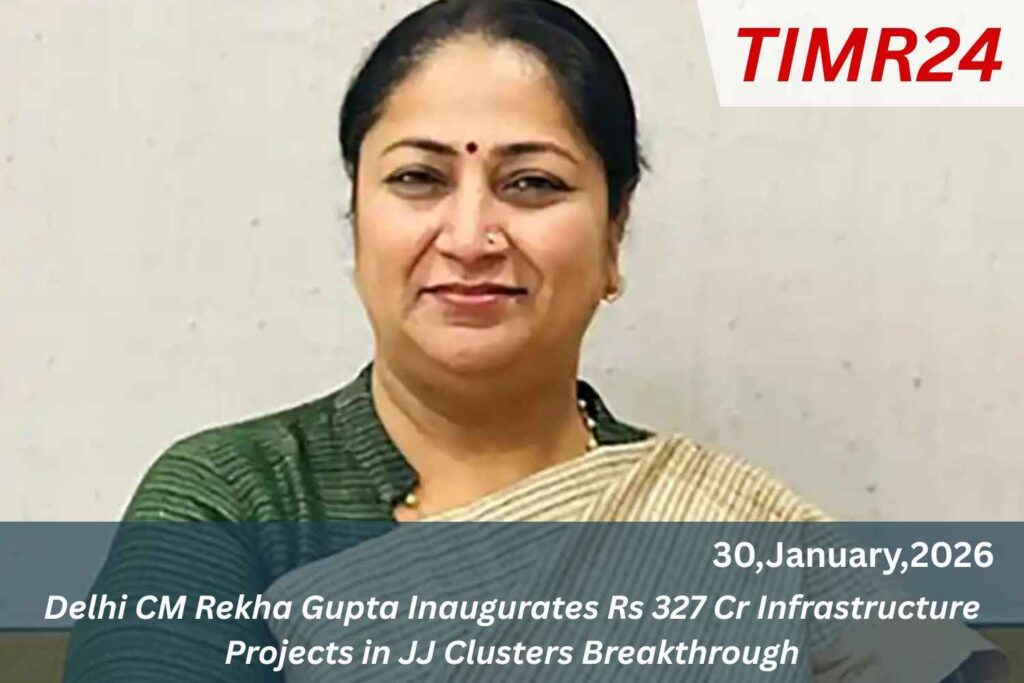
This aligns closely with ongoing initiatives discussed in central governance benchmark Chief Minister Rekha Gupta’s messaging around the inauguration has been equally important. By publicly acknowledging JJ cluster residents as “partners in development,” the administration has attempted to redefine the relationship between the state and informal communities. This narrative shift matters because policy language often shapes administrative behavior on the ground. Historically, JJ clusters were viewed through a lens of temporary existence, which justified neglect or demolition.
The current approach reframes these settlements as stable urban neighborhoods deserving of dignity, services, and long-term planning. This philosophy echoes earlier governance The infrastructure projects are designed to address everyday challenges that shape quality of life. Narrow lanes prone to flooding, inadequate drainage systems, lack of functional toilets, and unsafe walking paths have long defined daily existence in JJ clusters. By investing in durable infrastructure such as concrete pathways, improved sanitation networks, and community facilities.
Similar Outcomes Were Observed
The government aims to reduce health risks, improve mobility, and restore a sense of civic belonging. These interventions may appear basic, but their cumulative impact on safety, hygiene, and economic productivity is substantial. Similar outcomes were observed in earlier neighborhood upgrade programs discussed in dimension of this breakthrough is its alignment with Delhi’s broader urban growth narrative. The capital is undergoing simultaneous transformations in transport, housing, digital governance, and public service delivery. Integrating JJ clusters into this growth story is essential to prevent.
The emergence of parallel cities one formal and one informal. By extending infrastructure investments into these settlements, the government is attempting to bridge that divide. This approach complements parallel efforts in underserved regions a tool of spatial equity Social inclusion is another outcome that the administration appears keen to institutionalize. The symbolic act of hosting JJ cluster representatives during Republic Day events underscored a willingness to listen rather than merely announce. While symbolism alone does not guarantee.
Participatory Governance Model
Systemic change, it sets a tone that can influence bureaucratic responsiveness. Residents who feel acknowledged are more likely to cooperate with civic agencies, maintain public assets, and engage constructively in grievance redressal mechanisms. This participatory governance model has been explored in depth in economic perspective, the infrastructure upgrade of JJ clusters has multiplier effects. Improved access roads enable small businesses to function more efficiently, sanitation improvements reduce healthcare costs, and better connectivity opens up employment opportunities.
Many JJ cluster residents work in essential service sectors that keep the city running from construction and transport to domestic work and informal retail. Enhancing their living conditions indirectly strengthens Delhi’s economic resilience. This interconnectedness (India) between infrastructure and livelihoods has been previously examined in The political implications of the initiative are also noteworthy. Urban voters increasingly evaluate governments on delivery rather than declarations. By focusing on visible, everyday improvements in JJ clusters, the administration is addressing a demographic that has often felt excluded from policy benefits.
Execution Quality, Inter Departmental
This strategy reflects a broader trend in governance where welfare and infrastructure are combined to create lasting impact generate long-term public trust Despite the optimism surrounding the inauguration, challenges remain. Execution quality, inter-departmental coordination, and maintenance of newly created assets will determine the program’s success. Infrastructure in dense settlements requires continuous upkeep and community engagement to remain functional. The government’s ability to institutionalize maintenance mechanisms and involve local.
Stakeholders will be crucial These concerns mirror those raised in past evaluations often faded due to neglect the ₹327 crore JJ cluster initiative could serve as a template for other Indian cities grappling with similar urban realities. If implemented effectively, it demonstrates that informal settlements need not be erased to make cities “world-class.” Instead, they can be upgraded, integrated, and empowered to contribute more fully to urban life. This paradigm shift from exclusion to inclusion, from demolition to development represents the true breakthrough of CM Rekha Gupta’s initiative.
As Delhi continues its journey toward becoming a more equitable metropolis, the transformation of JJ clusters may well stand as one of its most meaningful (India) milestones, reinforcing ideas.