













The Chennai Metropolitan Development Authority (CMDA) is considering a new regulation requiring the submission of a drainage plan for building planning permission. The move follows December floods that inundated flood-prone buildings. The CMDA has integrated GIS data from 21 departments into its land use map to streamline the approval process. The online portal has already expedited approvals, with 114 permissions granted within 30 days. In the wake of the devastating floods that submerged several buildings situated along flood channels in December 2023, the Chennai Metropolitan Development Authority (CMDA) is contemplating a significant policy change.
This proposed regulation would make the submission of a drainage plan a mandatory requirement for obtaining planning permission for new buildings in Chennai. The initiative aims to address the city’s recurring flooding issues and ensure that future developments are equipped with adequate drainage systems. The catalyst for this proposed regulation was the unprecedented flooding in December (Metro) 2023, which highlighted the vulnerabilities in Chennai’s urban planning and drainage infrastructure. Many buildings situated on flood channels were inundated, causing significant damage and disruption. In response, the CMDA recognized the need for a more structured approach to.
Technological Integration in the Approval Process
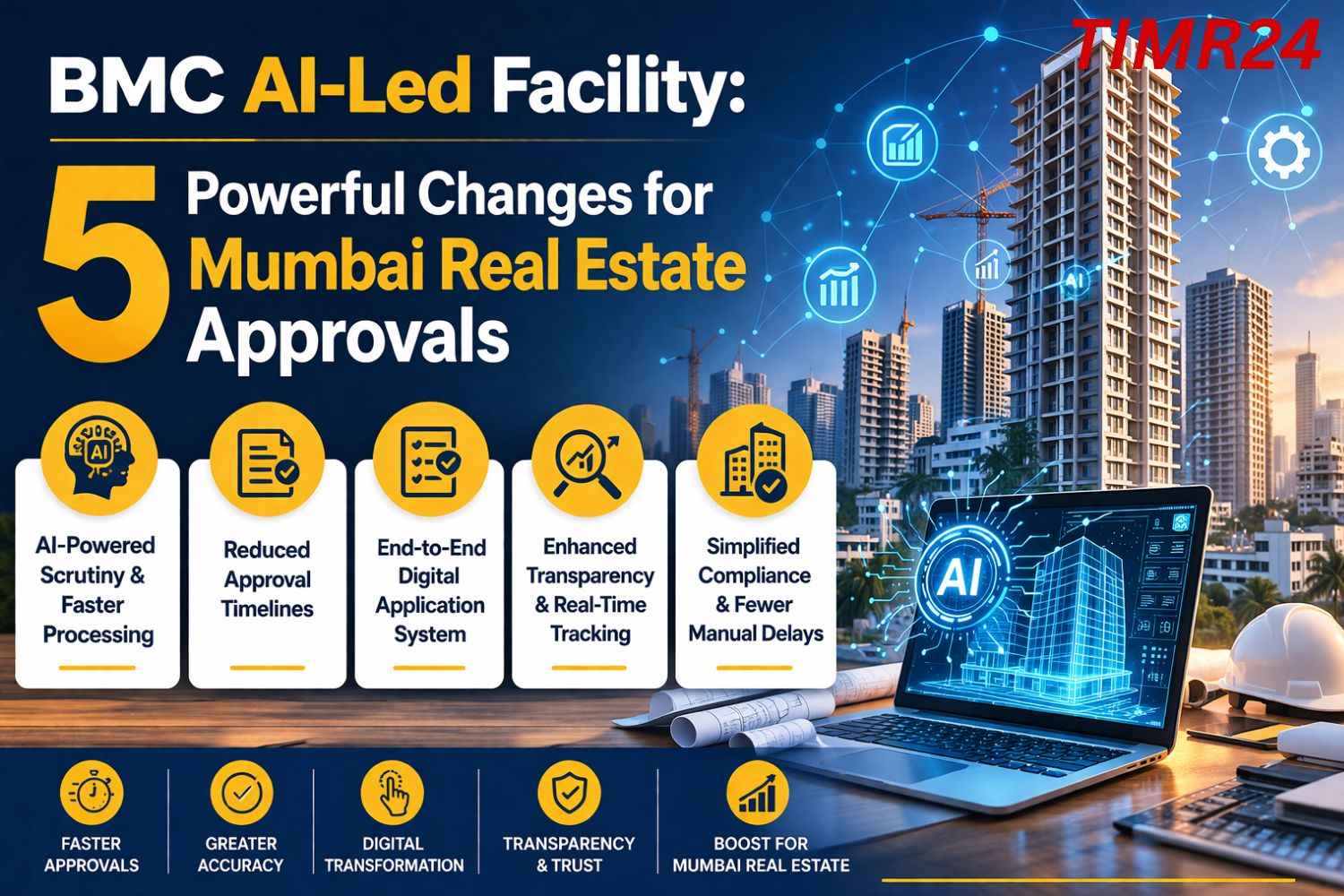
Urban development, particularly concerning stormwater management. The integration of Geographic Information System (GIS) data from 21 departments over the CMDA’s land use map is a step towards streamlining the approval process and ensuring that new constructions do not exacerbate existing drainage issues To facilitate the implementation of this regulation, the CMDA has enhanced its online planning permission application system. Introduced in May 2022, this single-window portal integrates data from various urban and rural local bodies, including the Greater Chennai Corporation (GCC). Upon submission of an application, the portal automatically identifies.
The required No Objection Certificates (NOCs) from relevant departments. For sites located near water bodies or flood-prone areas, the portal prompts applicants to submit a drainage plan certified by a hydrologist. This integration aims to expedite the approval process and ensure comprehensive scrutiny of each application The involvement of certified hydrologists in preparing drainage plans is a pivotal aspect of this proposed regulation. Hydrologists possess the expertise to assess the site’s drainage requirements, design appropriate systems, and ensure that the construction does not adversely affect the surrounding environment. Their certification adds a layer of credibility to.
The drainage plans, assuring authorities that the designs adhere to scientific and environmental standards. This measure aims to prevent poorly designed drainage systems that could lead to waterlogging and flooding. For builders and developers, this new requirement underscores the importance of comprehensive planning in construction projects. While the need for drainage plans may introduce additional steps in the approval process, it also presents an opportunity to enhance the sustainability and resilience of buildings. Proper drainage systems can prevent waterlogging, reduce the risk of structural damage, and contribute to the overall well-being of the community.
Implications for Builders and Developers
Moreover, adherence to these regulations can enhance the reputation of developers as responsible and forward-thinking entities The success of this initiative hinges not only on regulatory measures but also on public awareness and community engagement. Educating the public about the importance of proper drainage systems and encouraging community participation in maintaining these systems can significantly reduce the risk of flooding. The CMDA plans to conduct workshops and awareness programs to inform the public about the new requirements and the role they play in ensuring a flood-free Chennai. Community involvement can lead to better.
Maintenance of drainage systems and prompt reporting of issues, thereby enhancing the city’s resilience to floods Implementing this regulation may present several challenges. One of the primary concerns is the potential increase in the time and cost associated with obtaining planning permission. Developers may face delays in project timelines due to the additional requirement of submitting certified drainage plans. Furthermore, there may be a shortage of qualified hydrologists to meet the demand for certified drainage plans, leading to potential bottlenecks in the approval process. To address these challenges, the CMDA may need to invest in capacity building and streamline.
Monitoring and Enforcement
The certification process for hydrologists To ensure compliance with the new regulation, the CMDA will need to establish robust monitoring and enforcement mechanisms. Regular inspections and audits of construction sites can help verify that approved drainage plans are being implemented correctly. Additionally, the CMDA may need to collaborate with local bodies and community organizations to monitor the effectiveness of drainage systems and address any issues promptly. Effective enforcement will be crucial in maintaining the integrity of the regulation and achieving the desired outcomes If implemented successfully, this mandatory drainage plan requirement could serve.
As a model for other cities grappling with similar flooding issues. By integrating scientific expertise, technological tools, and community involvement, Chennai aims to build a more resilient urban environment. This initiative aligns with global trends in sustainable urban planning, where proactive measures are taken to address environmental challenges before they escalate into crises. The CMDA’s forward-thinking approach could position Chennai as a leader in urban resilience and sustainable development The CMDA’s proposal to mandate drainage plans for building approvals marks a significant step towards sustainable urban development in Chennai. By addressing the root.
Causes of flooding and integrating modern technology into the planning process, the city is taking proactive measures to safeguard its residents and infrastructure. As the proposal moves forward, it is essential for all stakeholders, including builders, developers, and the public, to collaborate and (CMDA) contribute to creating a flood-resilient Chennai. Through collective effort and commitment, the city can overcome its flooding challenges and pave the way for a safer and more sustainable future.