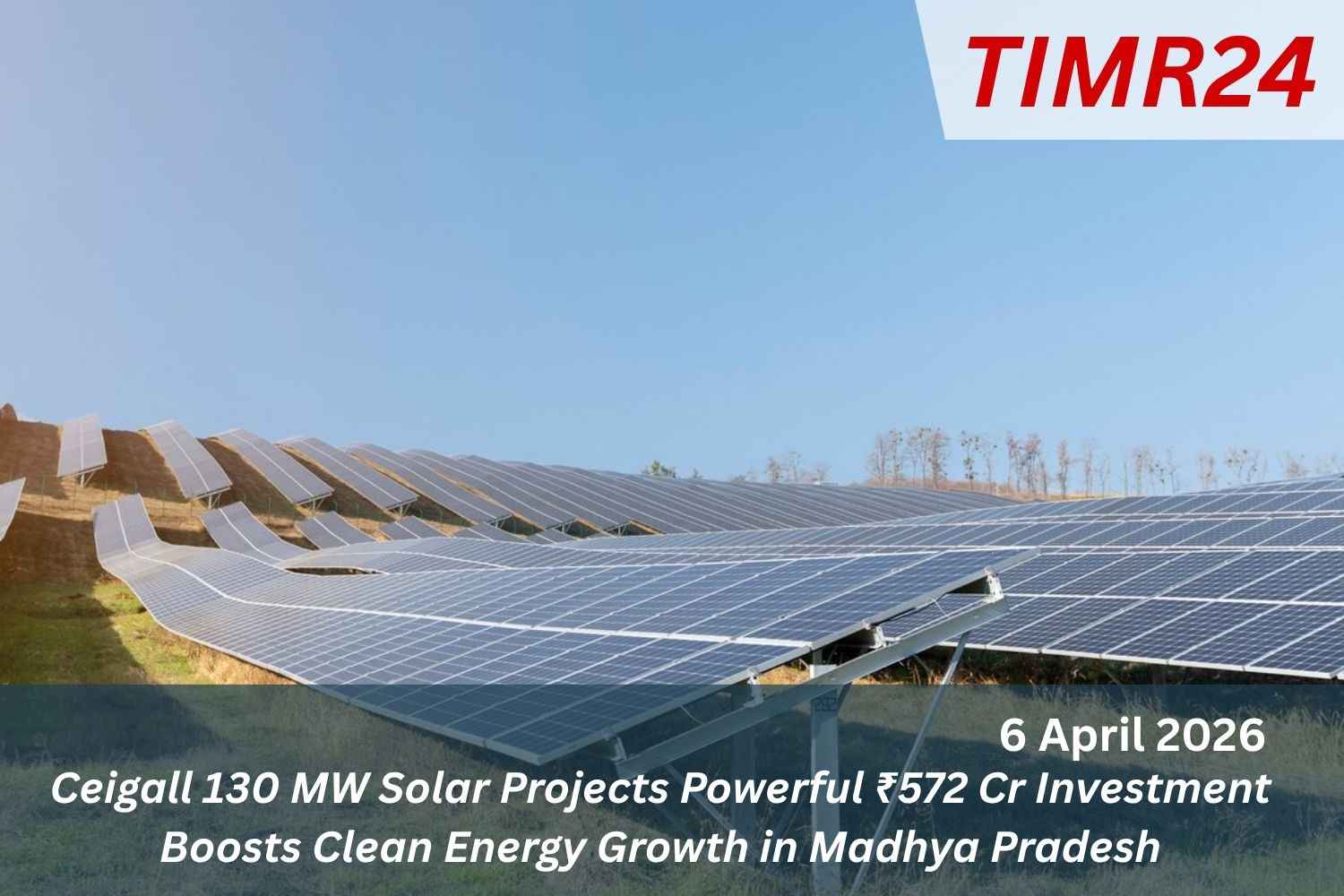
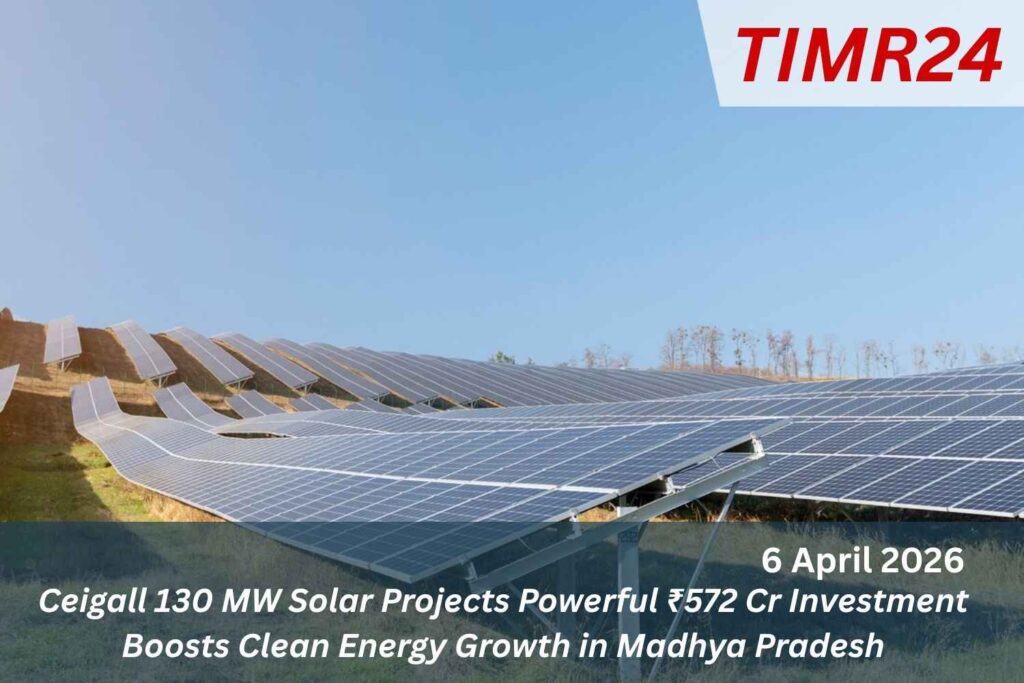
Ceigall’s strategic move to sign Power Purchase Agreements (PPAs) for 130 MW solar power projects in Madhya Pradesh represents a major step forward in India’s renewable energy journey. Backed by a strong investment of ₹572 crore, this initiative reflects the growing commitment of private infrastructure companies toward clean energy development. As India continues to transition from conventional energy sources to sustainable alternatives, projects like these play a crucial role in shaping the future of power generation The significance of this project lies not only in its scale but also in its alignment with India’s long-term energy goals. The government has set ambitious renewable energy targets, and solar power is expected to contribute a substantial share.
Madhya Pradesh, known for its favorable climatic conditions and high solar potential, has emerged as a preferred destination for large-scale solar installations. Ceigall’s decision to invest in this region highlights both strategic planning and confidence in the state’s infrastructure capabilities Power Purchase Agreements are central to the success of renewable energy projects, as they establish a long-term framework between power producers and buyers. These agreements ensure that electricity generated from solar plants is purchased at pre-determined rates, reducing market risks and ensuring financial predictability. In Ceigall’s case, signing PPAs strengthens investor confidence and facilitates smoother project execution.
From an economic standpoint, the ₹572 crore investment is expected to generate multiple benefits. During the construction phase, the project will create employment opportunities and stimulate local economies. Additionally, it will encourage the development of ancillary industries such as equipment manufacturing, logistics, and maintenance services. Improved infrastructure and enhanced grid connectivity are also anticipated outcomes of this investment Environmental sustainability remains one of the most compelling reasons behind the increasing adoption of solar energy. Unlike fossil fuels, solar power generation produces minimal greenhouse gas emissions, making.
It a clean and eco-friendly alternative. Ceigall’s solar projects will contribute significantly to reducing carbon footprints and supporting India’s climate commitments under international agreements Financially, projects backed by PPAs are considered relatively secure investments due to their predictable revenue streams. This stability attracts institutional investors and financial institutions, enabling easier access to funding. Ceigall’s approach demonstrates a well-structured financial strategy, combining long-term vision with risk management. As renewable energy continues to gain traction, such investment models are likely to become increasingly popular.
Another important aspect of this development is its alignment with Environmental, Social, and Governance (ESG) principles. Companies are increasingly being evaluated based on their sustainability initiatives, and investments in renewable energy significantly enhance ESG (India) performance. Ceigall’s solar projects not only contribute to environmental protection but also support social development by creating jobs and improving energy accessibility. This dual impact strengthens the company’s position in the competitive infrastructure sector The role of state governments is equally critical in facilitating renewable energy projects. Madhya Pradesh has introduced several policies and incentives to.
Attract investments in the solar sector, including streamlined approval processes and support for land acquisition. Such initiatives create a favorable ecosystem for private players, enabling faster project implementation. This collaboration between public and private sectors is essential for achieving large-scale energy transformation in India Once operational, the 130 MW solar capacity will generate a substantial amount of clean electricity, benefiting both industrial and residential consumers. The increased supply of renewable power is expected to reduce dependency on coal-based energy and stabilize electricity costs over time.
This transition not only enhances energy security but also contributes to a more resilient power system Ceigall’s investment in 130 MW solar projects in Madhya Pradesh marks a significant milestone in India’s clean energy landscape. The combination of strong (India) financial backing, strategic location, and long-term PPAs ensures the project’s viability and impact. As the country moves toward a greener future, such initiatives highlight the growing role of private enterprises in driving sustainable development. With continued support from government policies and increasing awareness of environmental issues, India’s renewable energy sector is poised for remarkable growth in the coming years.