

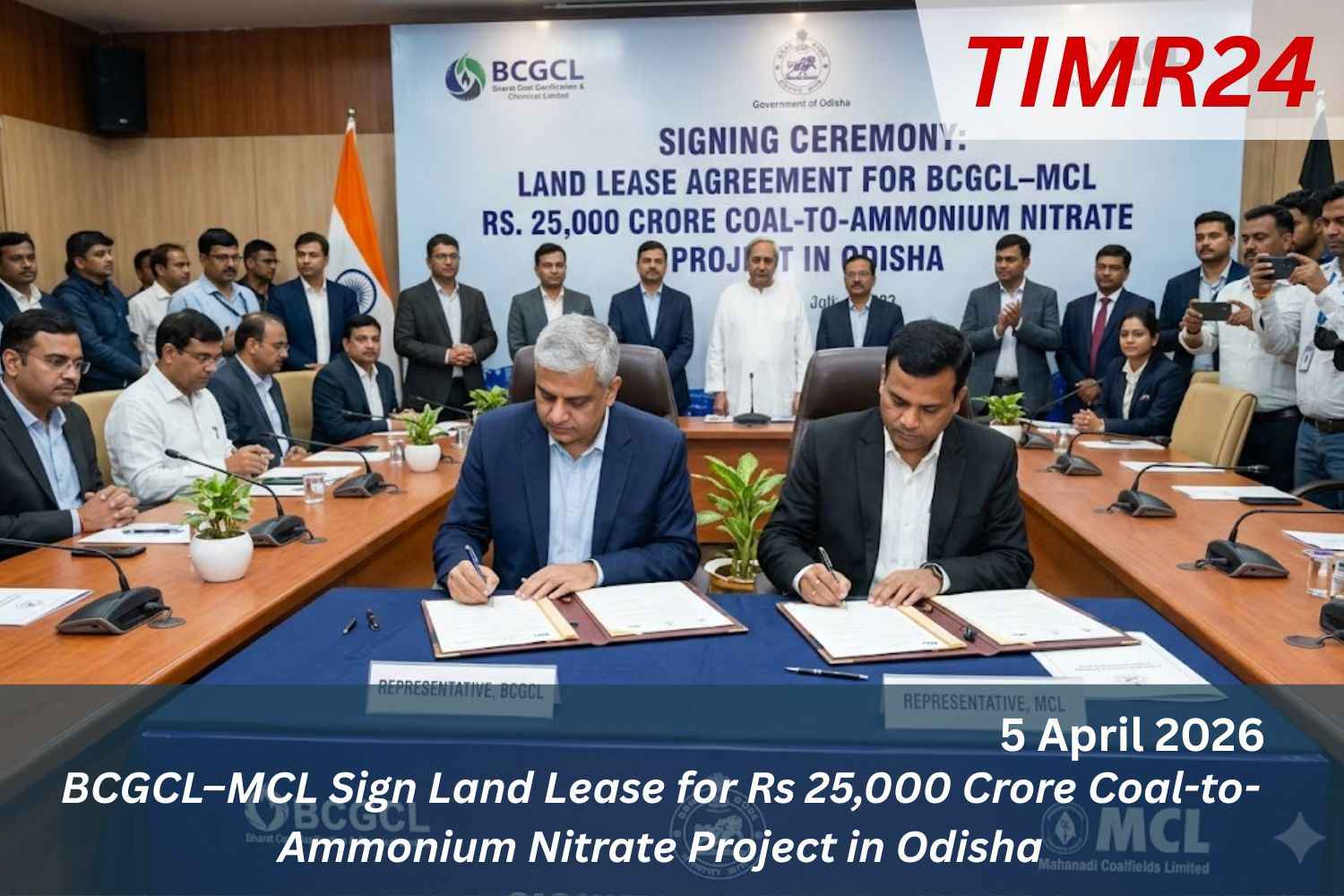




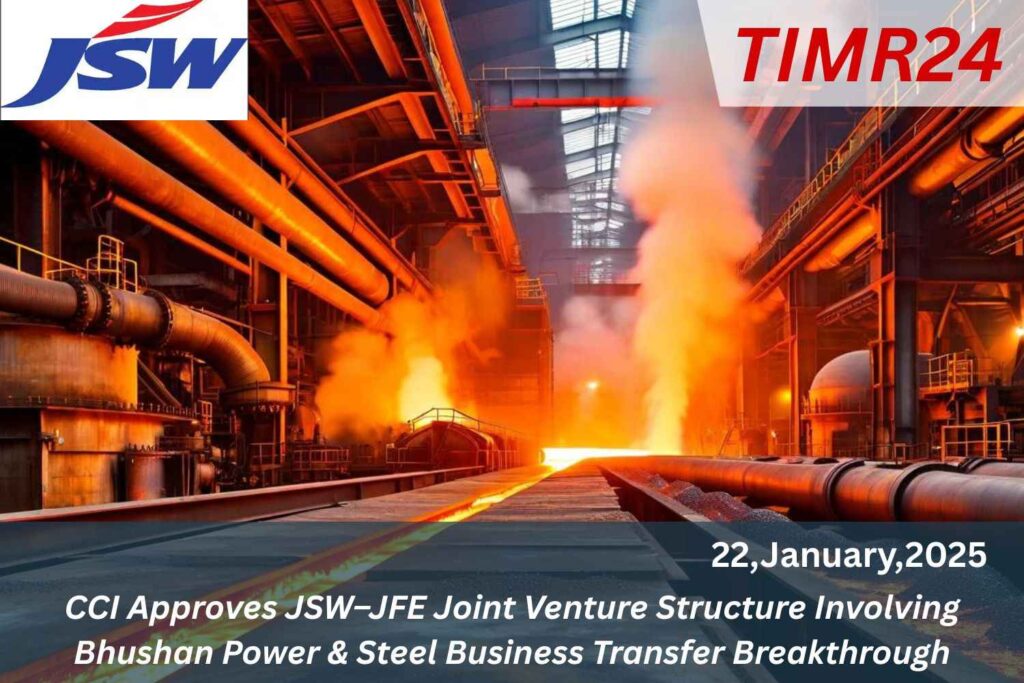
The Competition Commission of India (CCI) has approved a deal involving Bhushan Power and Steel Limited (BPSL), JSW Sambalpur Steel Limited, JFE Steel Corporation, and JSW Kalinga Steel Ltd. The agreement entails the transfer of BPSL’s steel business to JSW Sambalpur via a slump sale, with JFE Steel acquiring a 50% direct stake in JSW Kalinga, leading to an indirect 50% stake in JSW Sambalpur. Consequently, JSW Kalinga and JSW Sambalpur will function as a 50:50 joint venture between JFE and JSW Steel Ltd. Currently, JSW Kalinga and JSW Sambalpur are both wholly owned by JSW Steel’s subsidiary Piombino Steel Limited and have yet to start commercial operations.
Competition Commission Of India’s
BPSL, a public steel manufacturer, is an indirect subsidiary of JSW Steel through Piombino Steel Limited The Competition Commission of India’s approval of the joint venture structure between JSW Steel and Japan’s JFE Steel marks a significant milestone in the ongoing restructuring of Bhushan Power & Steel’s business operations. This decision not only strengthens the strategic partnership between two global steel majors but also reflects the evolving regulatory framework governing mergers, acquisitions, and joint ventures in India. At a time when the Indian steel sector is witnessing consolidation and technological collaboration, this approval sends a clear signal.
That well-structured business transfers aligned with competition law can receive timely regulatory clearance Bhushan Power & Steel has been at the center of one of India’s most high-profile insolvency resolution processes. After facing severe financial stress, the company’s assets were taken over by JSW Steel through the Insolvency and Bankruptcy Code framework. Since then, JSW has been working on stabilizing operations, improving capacity utilization, and exploring strategic partnerships to enhance product quality and technological capability. The proposed joint venture with JFE Steel fits into this broader plan of modernization and long-term value creation.
Manufacturing Processes, And Access
Under the approved structure, JSW and JFE will jointly participate in a new entity that will take over specific business operations of Bhushan Power & Steel. The focus of this venture is on value-added steel products, advanced manufacturing processes, and access to Japanese technology. JFE Steel brings decades of expertise in high-grade steel production, automotive steel, and process automation, which is expected to significantly upgrade the quality standards of the transferred business. This technological collaboration is also aligned with India’s broader goal of improving domestic manufacturing under the “Make in India” initiative.
From a regulatory perspective, the role of the Competition Commission of India has been crucial in ensuring that the joint venture does not lead to any adverse impact on market competition. The CCI examined the market shares, product overlaps, and potential entry barriers before granting its approval. According to the official framework of the CCI, combinations are assessed to ensure that they do not cause an appreciable adverse effect on competition One of the key reasons why this approval is important lies in the nature of the Indian steel market. The sector is highly capital intensive, with significant entry barriers and cyclical demand patterns.
Downstream Industries Continue
Any large consolidation or joint venture can potentially alter pricing power, supply dynamics, and regional competition. In this case, the CCI concluded that the JSW–JFE structure would not distort competition, largely because the joint venture is focused on specialized segments rather than mass market steel products. This ensures that consumers and downstream industries continue to benefit from competitive pricing and diversified supply sources The transaction also highlights the growing importance of foreign strategic partners in India’s industrial revival story. JFE’s participation reflects the confidence of Japanese companies in India’s long-term infrastructure and manufacturing growth.
For JSW Steel, this partnership provides access to advanced technology, research capabilities, and global best practices. Such collaborations are increasingly becoming the preferred route for Indian conglomerates seeking to move up the value chain and reduce dependence on commodity-grade steel Another important dimension of this approval is its linkage with the Insolvency and Bankruptcy Code ecosystem. Bhushan Power & Steel was one of the early large cases under the IBC framework, and its resolution set important precedents for creditor recovery and asset revival. The subsequent restructuring through joint ventures demonstrates that insolvency resolution is not the end of the process.
Electric Vehicles And Renewable Power
But rather the beginning of long-term corporate restructuring From an operational standpoint, the joint venture is expected to focus on high-margin products such as electrical steel, automotive-grade steel, and advanced coated products. These segments are critical for India’s growing automobile, renewable energy, and infrastructure sectors. With electric vehicles and renewable power projects expanding rapidly, demand for specialized steel is expected to rise steadily over the next decade. The JSW–JFE venture is therefore strategically positioned to capture this emerging demand Financially, the approval also reassures investors and lenders about regulatory certainty.
Large industrial transactions often face delays due to prolonged approvals, which can affect project timelines and cost structures. In this case, the relatively smooth clearance by the CCI indicates that well-prepared filings and transparent structures can significantly reduce regulatory risk. This is particularly relevant for global investors who closely track India’s ease of doing business indicators The involvement of institutions such as the Insolvency and Bankruptcy Board of India further strengthens the credibility of the restructuring process. The IBBI’s regulatory oversight ensures that asset transfers, creditor settlements, and governance structures remain (India) compliant.
Strategic Alignment However
With legal standards the success of this joint venture will depend on effective integration, governance, and technology transfer. Joint ventures often face challenges related to cultural differences, management control, and long-term strategic alignment. However, both JSW and JFE have prior experience in international collaborations, which increases the likelihood of a stable and productive partnership. Over time, this venture could become a model for future Indo-Japanese industrial collaborations in sectors beyond steel In the broader policy context, this approval also aligns with India’s push for high-quality manufacturing and export-oriented growth.
Advanced steel products are critical for sectors such as defense, aerospace, railways, and renewable energy. By strengthening domestic capabilities in these areas, the joint venture contributes to reducing import dependence and improving India’s trade balance the CCI’s approval of the JSW–JFE joint venture involving the transfer of Bhushan Power & Steel’s business is more than just a routine regulatory clearance. It represents a strategic convergence of insolvency resolution, foreign collaboration, technological upgrading, and competition law compliance. As the Indian steel industry continues to consolidate and modernize, (India) such transactions will play a central role in defining the sector’s future trajectory.
Q1: What did the CCI approve?
CCI approved the joint venture structure between JSW and JFE for the transfer of Bhushan Power & Steel’s business.
Q2: Why is this joint venture important?
It brings advanced Japanese steel technology and strengthens India’s high-value steel manufacturing.
Q3: Will this affect competition in the steel market?
No, CCI found that the deal will not cause any adverse impact on market competition.
Q4: What role does Bhushan Power & Steel play in this deal?
Certain business operations of Bhushan Power & Steel will be transferred to the new joint venture entity.
Q5: Who are the main partners in this venture?
JSW Steel (India) and JFE Steel Corporation (Japan).