












Assam construct Chief Minister Himanta Biswa Sarma plans to construct a Rs 4000 crore elevated road corridor and tunnel in Karangi National Park, connecting Kamar gain to Gopher. The Assam government has announced a landmark infrastructure project — the construction of a 32 km elevated road corridor through the world-famous Kaziranga National Park. This ambitious plan aims to balance infrastructure development with wildlife conservation, ensuring both tourism and environmental protection in the region. The proposed 32 km elevated road will pass through key stretches of the park, reducing the risk of road accidents involving wild animals. Kaziranga is home to iconic species such as the one-horned rhinoceros, Asiatic elephants, swamp deer, and tigers. (Infrastructure Development)
Project Overview
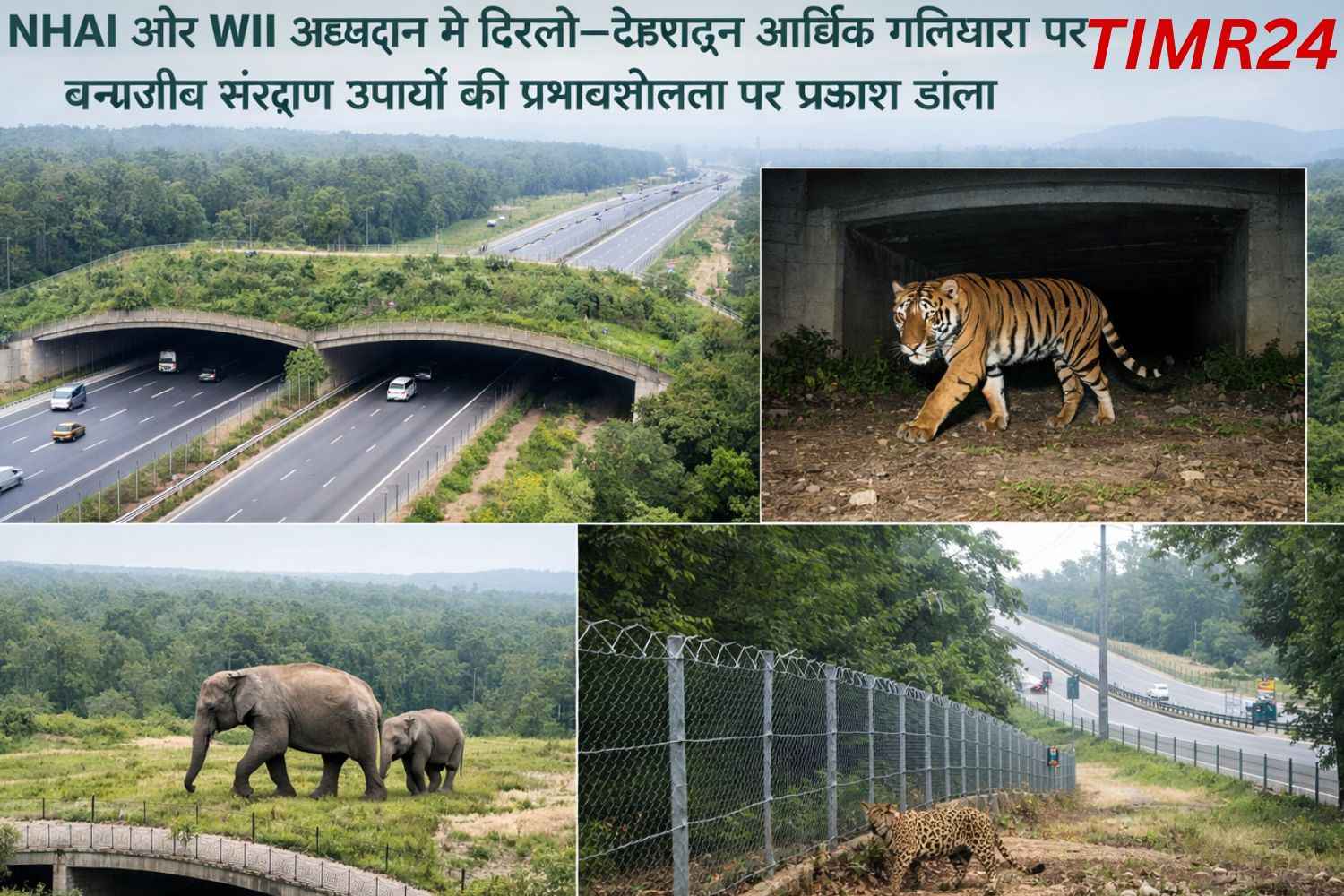
In the past, during floods, animals often migrated across National Highway 37, leading to collisions with speeding vehicles. The elevated design will provide animals free passage underneath while ensuring uninterrupted vehicular movement above. Kaziranga is a UNESCO World Heritage Site and one of India’s most important biodiversity hotspots. Seasonal floods from the Brahmaputra River force animals to move to higher grounds, often crossing busy roads. The elevated corridor will act as a safe passage for wildlife, preventing casualties and minimizing human-animal conflict. Kaziranga draws thousands of tourists annually, both domestic and international. However, traffic congestion and restrictions during peak wildlife movement often hamper visitor experience. The elevated road is expected to:
- Reduce travel time between Upper and Lower Assam.
- Allow 24×7 connectivity without harming the park’s natural ecosystem.
- Enhance tourism infrastructure by making access smoother.
Boost to Tourism and Connectivity
Kaziranga draws thousands of tourists annually, both domestic and international. However, traffic congestion and restrictions during peak wildlife movement often hamper visitor experience. The elevated road is expected to:
- Reduce travel time between Upper and Lower Assam.
- Allow 24×7 connectivity without harming the park’s natural ecosystem.
- Enhance tourism infrastructure by making access smoother.
- With better accessibility, the project is likely to encourage eco-tourism initiatives and create local employment opportunities in hospitality, transport, and guided wildlife tours.
Environmental Concerns and Safeguards
While the project promises ecological benefits, environmentalists have raised concerns about construction activities inside a sensitive zone. The Assam government has assured that:
- Environmental Impact Assessments (EIA) will be conducted before work begins.
- Use of noise and vibration-reducing machinery will be prioritized.
- Construction schedules will be adjusted to avoid sensitive breeding or migration periods.
- Materials used will comply with eco-friendly standards to reduce pollution and habitat disturbance.
Economic Implications
The elevated corridor is expected to cost several hundred crores, funded jointly by the state and central governments. Economic benefits include:
- Boost to local trade through faster goods transport.
- Expansion of nearby towns as tourism hubs.
- Reduced expenditure on wildlife accident management and road repairs caused by seasonal flooding.
- The government believes that the long-term gains in tourism revenue and infrastructure efficiency will outweigh the initial investment costs.
Community Involvement
- Employment in construction and maintenance activities.
- Training for eco-tourism and hospitality jobs.
- Awareness campaigns on wildlife safety and environmental stewardship.
A Model for Future Projects
Such participation will ensure that the benefits of the project are shared equitably while strengthening community-wildlife relationships. If successful, the Kaziranga elevated corridor could serve as a model for other wildlife-rich regions in India facing similar challenges. By integrating conservation with development, the project demonstrates that infrastructure growth does not have to come at the cost of biodiversity. (Kaziranga National Park)
The combination of modern engineering and ecological sensitivity has the potential to reshape how India approaches road construction in protected areas. The Assam government’s decision to build a 32 km elevated road corridor in Kaziranga National Park is a bold and forward-thinking move. While challenges remain in terms of environmental safeguards and execution, the project has the potential to significantly improve both wildlife safety and regional connectivity. If implemented successfully, it could stand as a pioneering example of balancing development and conservation.
Q1. What is the Kaziranga elevated road project?
It’s a 32 km elevated corridor planned to reduce vehicle-wildlife conflict in Kaziranga National Park, Assam.
Q2. Why is this project important?
It will protect endangered species, including the one-horned rhinoceros, from road accidents.
Q3. Which areas will the corridor cover?
The elevated road will pass through key wildlife zones of the park.
Q4. How will it benefit wildlife and tourism?
It ensures safer wildlife crossings and offers tourists better views without disturbing animals.
Q5. When is construction expected to start?
The Assam government is finalizing plans, with work expected to begin soon.