














IST - Saturday, February 21, 2026 7:45 am
Hot News

Arora Reviews Punjab Highway Works With NHAI Chief Breakthrough

Soniya Gupta

Updated on:

Arora

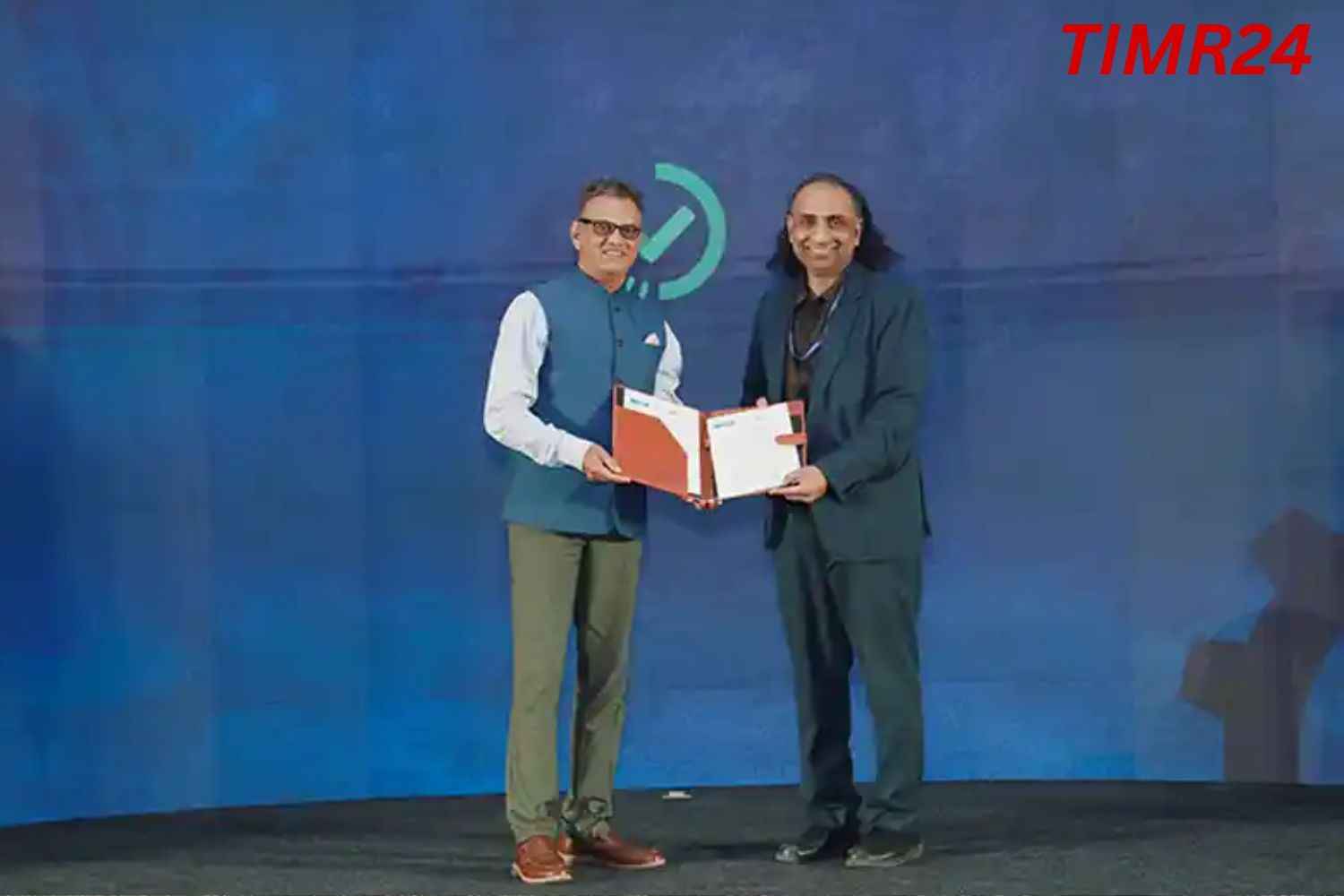
Cabinet Minister Sanjeev Arora conducted a review meeting with NHAI Chairman Santosh Kumar Yadav and senior officials to evaluate infrastructure projects in Punjab. Key issues discussed included the urgent development of a three-kilometre approach road near Adampur Airport and delays in the Ludhiana–Ropar highway project, which Arora urged should be re-tendered and expedited. Bureaucratic delays were highlighted in the NHLML parking project. Arora expressed dissatisfaction with the progress of the Ludhiana cycle track due to technical issues, prompting calls for better project supervision and quicker resolutions. Additionally, they reviewed the Jalandhar–Amritsar highway.

Discussed road connectivity to Halwara Airport, and addressed traffic congestion around SPS Hospital. The NHAI Chairman committed to prioritize these issues, emphasizing improved maintenance of highways across Punjab  infrastructure development has taken a decisive turn toward modernization as Chief Minister Arora reviewed ongoing and upcoming highway projects with the National Highways Authority of India (NHAI) Chief. The meeting, held in Chandigarh, highlighted the shared commitment of the state and central governments to accelerate road connectivity, improve logistics efficiency, and promote sustainable transportation practices.

With a vision to strengthen Punjab’s position as a gateway to northern India, this strategic review focused on performance, challenges, and innovations shaping the region’s road network The detailed review meeting emphasized the importance of several major expressway projects, including the Ludhiana–Bathinda Expressway, Amritsar–Khemkaran Corridor, and Delhi–Katra Expressway which are expected to revolutionize inter-district and inter-state connectivity. Arora directed officials to ensure that all highway works are executed on schedule and with the highest standards of quality. The NHAI Chief assured the state of fast-tracking approvals and clearing.

Accelerating Infrastructure Development

Bottlenecks related to land acquisition, compensation, and environmental permissions. This proactive coordination marks a milestone in Punjab’s infrastructure journey, laying the groundwork for economic revitalization and improved mobility Chief Minister Arora reiterated that highway expansion is not just about roads but about creating economic arteries that drive growth, employment, and regional inclusion. The Ludhiana–Bathinda Expressway, one of Punjab’s flagship projects, will drastically reduce travel time and enable faster movement of goods between industrial and agricultural hubs. Similarly, the Delhi–Katra Expressway  is expected to enhance.

tourism by providing smoother access to religious and cultural destinations. The Amritsar–Khemkaran Corridor, on the other hand, will connect remote border regions to key economic centers, promoting balanced regional development During the discussion, it was revealed that many projects are in advanced stages of construction, with strict monitoring mechanisms being implemented through digital dashboards. The NHAI has deployed drones for site inspections and AI-based tools for tracking construction quality, ensuring transparency and accountability at every stage.

Improving Road Safety and Sustainable Design

Highway development in Punjab is being reimagined with a focus on sustainability and safety. The government plans to integrate intelligent traffic management systems (ITMS), real-time surveillance cameras, and automated speed control systems along national highways. Arora stressed that the safety of commuters should remain the highest priority, especially on high-speed corridors that witness heavy freight movement. The new designs will include scientifically engineered flyovers, pedestrian crossings, and roadside amenities to prevent accidents and enhance user comfort the Punjab government is collaborating with the NHAI to establish electric vehicle (EV) charging stations.

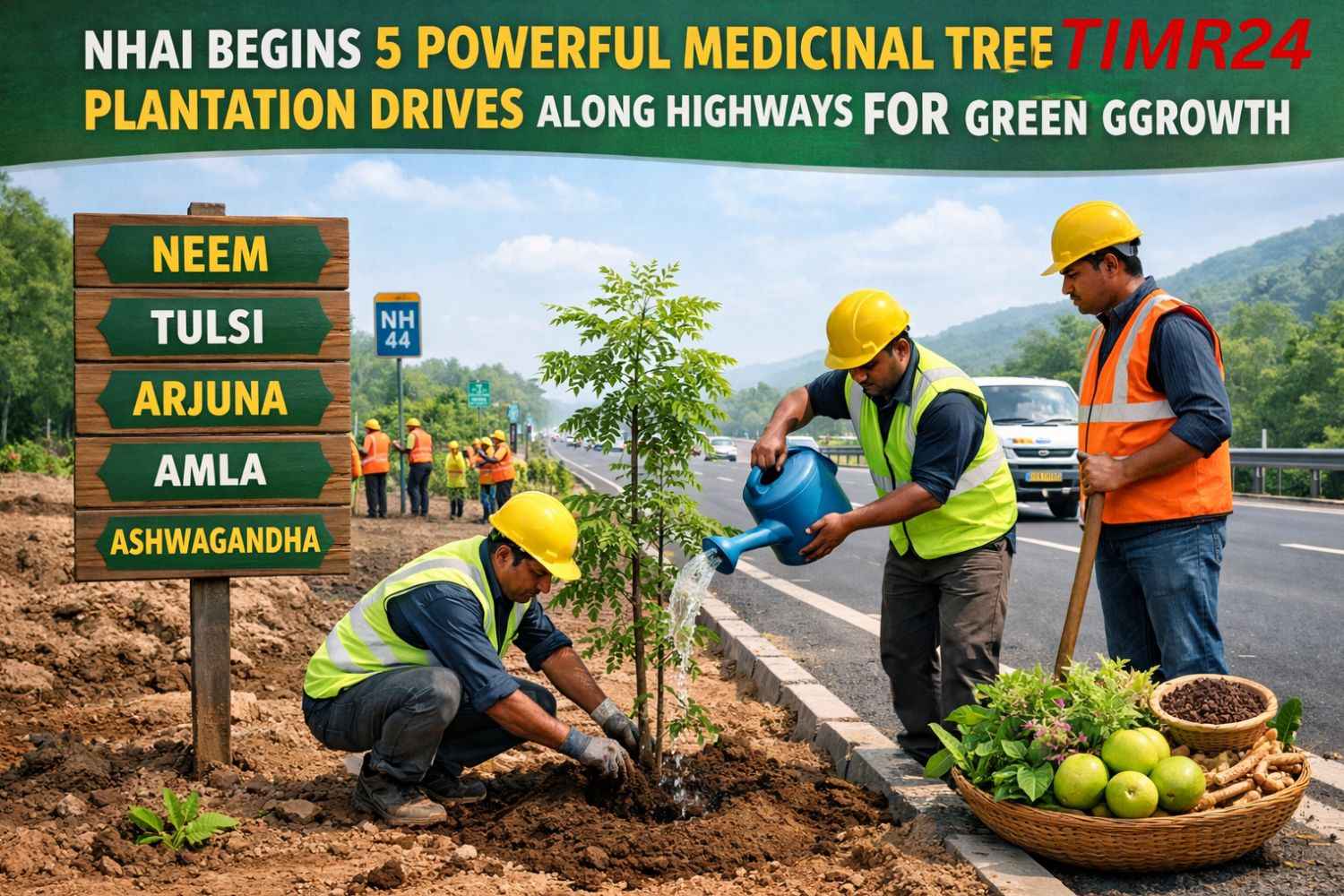
At regular intervals. This move supports India’s transition toward clean energy and encourages the adoption of sustainable transportation. As part of the Green Highways Policy, the state has also mandated the planting of native trees along both sides of expressways, promoting ecological balance and minimizing the carbon footprint of infrastructure development A significant portion of the discussion between Arora and the NHAI Chief revolved around land acquisition challenges, compensation disputes, and coordination gaps between departments. These issues have often delayed project timelines, leading to cost escalations and public inconvenience.

To counter this, Arora announced the formation of a state-level infrastructure monitoring cell dedicated to resolving land disputes, accelerating compensation settlements, and ensuring community participation in project execution. The Chief Minister also advised district administrations to maintain continuous dialogue with affected farmers and landowners, ensuring that their concerns are addressed transparently The NHAI assured the Punjab government that revised compensation frameworks will be implemented quickly, in alignment with the Right to Fair Compensation Act. Both sides also discussed improving coordination between local contractors.

Economic and Regional Impact of Highway Expansion

State agencies, and central authorities to ensure seamless execution and adherence to quality benchmarks. Punjab’s new and upgraded highways are set to create ripple effects across multiple sectors, from agriculture to manufacturing and tourism. The Ludhiana–Bathinda (Highway) corridor will serve as a logistics backbone for agro-based industries, while better connectivity to Amritsar will support tourism and hospitality businesses. Reduced transit time will also help farmers and traders transport perishable goods more efficiently, reducing wastage and improving profitability these highways are expected to attract significant investment in industrial corridors.

Logistics parks, and export-oriented units. Arora’s vision aligns with the national agenda of “Build in India for the World,” positioning Punjab as a model for regional economic transformation. By enhancing access to ports, markets, and neighboring states, these highways will make Punjab an essential player in the North India Growth Corridor Arora emphasized that development must coexist with sustainability. The Punjab government has introduced green procurement guidelines that encourage the use of recycled construction materials, solar lighting systems, and rainwater harvesting units along highway routes. Construction firms working under.

The NHAI’s supervision are now required to adopt eco-friendly practices to minimize environmental impact The NHAI Chief acknowledged Punjab’s leadership in integrating sustainability with infrastructure and announced plans to establish pilot eco-highways that will serve as models for other states. These highways will include green belts, noise barriers, and water-retention ponds to maintain ecological harmony. The government is also ensuring that all projects undergo environmental impact assessments (EIA) and public consultations before approval to maintain transparency and public trust.

Collaboration and Policy Support

The strong synergy between the Punjab government and NHAI reflects India’s broader push for cooperative federalism in infrastructure planning. Arora highlighted that collaboration between the central and state governments ensures that policy execution is both localized and efficient. This partnership allows the state to integrate national highway projects with state-level infrastructure plans, ensuring continuity from expressways to local roads The Chief Minister also requested that the NHAI consider future-ready designs, including dedicated freight corridors, smart tolling systems, and digital monitoring dashboards. The NHAI Chief welcomed these suggestions, emphasizing.

that Punjab’s model could serve as a blueprint for other states aiming to accelerate infrastructure with sustainability and safety The review meeting between Arora and the NHAI Chief stands as a significant milestone in Punjab’s journey toward modern connectivity and sustainable development. With a clear roadmap emphasizing transparency, efficiency, and innovation, the government is determined to deliver world-class road infrastructure that enhances Punjab’s competitiveness and quality of life. These projects will not only shorten distances but also bridge economic gaps, ensuring that development reaches every corner of the state.

Punjab’s highway transformation under Arora’s leadership is more than an engineering endeavor it’s a vision for prosperity, sustainability, and (NHAI) national integration As projects gain momentum, Punjab is on track to become a model for balanced regional growth and environmentally responsible infrastructure in India.

Q1. What was the main purpose of Arora’s meeting with the NHAI Chief?
To review ongoing highway projects and accelerate their completion across Punjab.

Q2. Which key projects were discussed during the meeting?
Projects like the Ludhiana–Bathinda Expressway, Delhi–Katra Expressway, and Amritsar–Khemkaran Corridor.

Q3. How will Punjab’s new highways benefit the economy?
They will improve logistics, reduce travel time, attract industries, and create employment.

Q4. What steps are being taken for sustainable construction?
Use of green materials, solar lighting, EV stations, and rainwater harvesting.

Q5. When will these highway projects be completed?
Most major stretches are expected to be completed between 2025–2027, as per current schedules.