












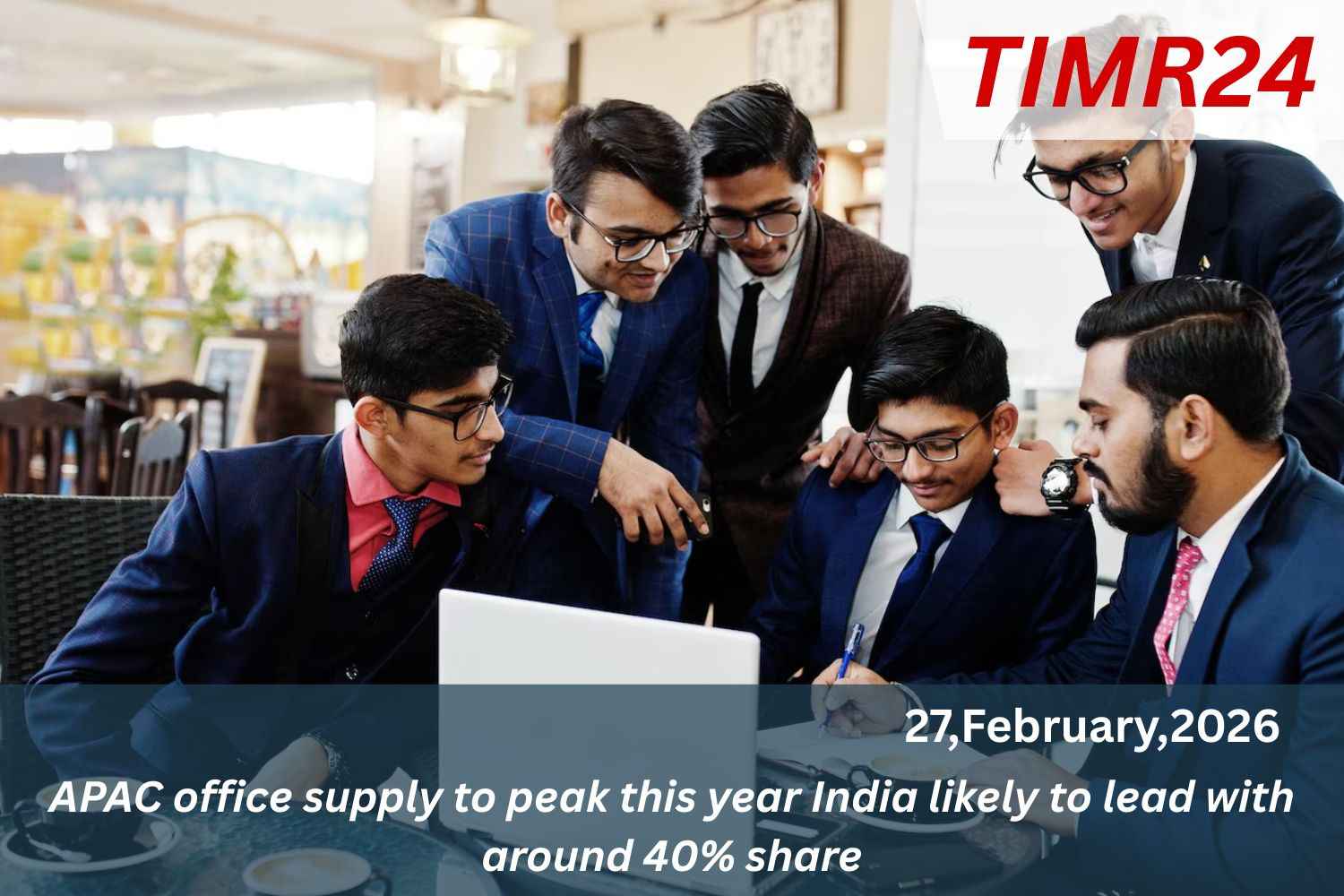




The APAC supply of Grade-A office spaces in the Asia Pacific is projected to reach 61.3 million sq. ft. in 2026, a 10.8% increase from 2025, with India contributing approximately 40%. Mainland China and India are expected to account for over 75% of the total supply. Bengaluru will lead with an expected supply of 12.1 million sq. ft., followed by Shanghai and Delhi-NCR. The market is focusing on high-quality buildings and income resilience amid economic recalibration, while most developed markets remain supply-constrained. Office assets are becoming the most preferred investment sector, which is expected to drive rents upward, particularly in Tokyo, Mumbai, and tier-1 Indian markets.
Despite the increase in supply, rents in China’s tier I markets have seen a significant decline, though a stabilization is anticipated due to rising domestic demand The office supply market across the Asia-Pacific region is projected to reach a significant peak this year, reflecting strong economic momentum, increased business expansion, and rising demand for commercial spaces. The surge in office supply represents a broader transformation in regional economies where corporate activities, infrastructure development, and digital transformation continue to drive demand for modern workspaces. Among all markets, India is expected to emerge as the dominant contributor.
Accounting for nearly 40% of the total regional office supply The rapid rise in office infrastructure reflects shifting business dynamics across APAC economies, where multinational companies, technology firms, and emerging startups are expanding operations. This growth signals renewed confidence in regional markets and highlights the importance of office space development as a key indicator of economic performance.
Factors Driving Office Supply Expansion in APAC
The growth of office supply across APAC is supported by several structural and economic factors. One of the primary drivers is the strong recovery in economic activities following global disruptions. Businesses are expanding operations, leading to increased demand for office infrastructure. Additionally, companies are investing in modern workplaces that support hybrid working models and digital collaboration Urbanization also plays a major role in this growth. As cities expand and populations migrate toward urban centers, the need for commercial spaces continues to rise. Governments across the region are investing heavily in infrastructure projects.
Smart city initiatives, and business districts to attract global investments Technology adoption has further accelerated office demand. The growth of IT services, financial technology, and e-commerce industries requires advanced office facilities equipped with modern infrastructure. As organizations shift toward digital operations, the need for high-quality office environments continues to increase India’s projected 40% share of the APAC office supply highlights the country’s growing economic influence and business potential. The country’s rapid urban development, expanding corporate ecosystem, and favorable policy environment have positioned it as a leading destination for commercial real estate investment.
The strong presence of global technology companies, multinational corporations, and domestic enterprises has significantly increased demand for office space in major cities. India’s workforce growth, rising startup ecosystem, and expanding service sector further strengthen the demand for commercial infrastructure Government initiatives supporting business growth, manufacturing expansion, and foreign direct investment have also contributed to India’s leadership position. Policies promoting ease of doing business and industrial development continue to attract global companies seeking to establish regional headquarters and operational centers.
Role of Corporate Expansion and Employment Growth
Corporate expansion across APAC markets is directly influencing office supply trends. As organizations increase their workforce and scale operations, the demand for office space rises accordingly. The expansion of sectors such as information technology, finance, consulting, and manufacturing contributes to sustained office demand Employment growth is another major factor supporting office supply expansion. Rising job creation in urban areas increases demand for organized commercial spaces. Companies are investing in larger and more advanced workplaces to improve productivity, collaboration, and employee experience.
The shift toward flexible workspaces and co-working environments has also played a role in shaping office supply trends. Businesses now prefer adaptable office layouts that accommodate hybrid working models, leading to increased construction and development activities Infrastructure development is a key driver behind the increase in office supply across APAC economies. Governments and private developers are investing heavily in commercial projects, business parks, and technology hubs. These investments aim to support economic growth and enhance global competitiveness. Foreign investments have further accelerated office market expansion. International investors are increasingly targeting
Infrastructure Development and Investment Trends
Foreign investments have further accelerated office market expansion. International investors are increasingly targeting APAC markets due to strong economic growth prospects and rising demand for commercial spaces. India, in particular, has attracted significant investment in office infrastructure due to its growing economy and expanding corporate sector The development of smart cities and integrated business districts is another major trend shaping the office supply landscape. These projects provide advanced infrastructure, connectivity, and sustainable work environments, making them attractive to businesses.
Impact on Real Estate and Commercial Markets
The rise in office supply has a significant impact on the real estate sector. Increased construction activity boosts demand for land, building materials, and professional services, contributing to overall economic growth. Commercial real estate developers benefit from (India) rising demand, leading to new projects and expansion opportunities Higher office supply also supports business growth by providing companies with modern infrastructure. Access to quality office spaces improves operational efficiency, encourages innovation, and enhances corporate performance The growth of commercial infrastructure also influences surrounding sectors such as retail.
Future Outlook for APAC Office Supply
hospitality, and transportation. As business districts expand, they create new opportunities for economic development and urban transformation. The future outlook for the APAC office supply market remains positive. Experts expect sustained growth in demand for office spaces due to ongoing economic expansion, digital transformation, and corporate growth. The increasing importance of technology-driven industries and knowledge-based economies will continue to drive office infrastructure development India’s leadership in the regional office supply market is expected to strengthen further as the country continues to attract global investments and expand its corporate ecosystem.
The focus on infrastructure development, business-friendly policies, and workforce expansion will support long-term growth However, market dynamics such as (India) changing work patterns, economic conditions, and technological advancements will continue to shape office supply trends. Developers and businesses must adapt to evolving workplace requirements and sustainability standards to remain competitive.
Q1. Why is APAC office supply expected to peak this year?
Strong economic growth, corporate expansion, and rising infrastructure investments are increasing demand for office spaces.
Q2. Which country will lead APAC office supply growth?
India is expected to lead with around 40% share due to rapid business expansion and urban development.
Q3. What factors support India’s office supply growth?
Urbanization, IT sector growth, government policies, and foreign investments are major contributors.
Q4. How does office supply growth impact the economy?
It boosts employment, infrastructure development, and business opportunities.
Q5. Will APAC office demand continue growing?
Yes, experts predict sustained growth due to expanding corporate sectors and digital transformation.