
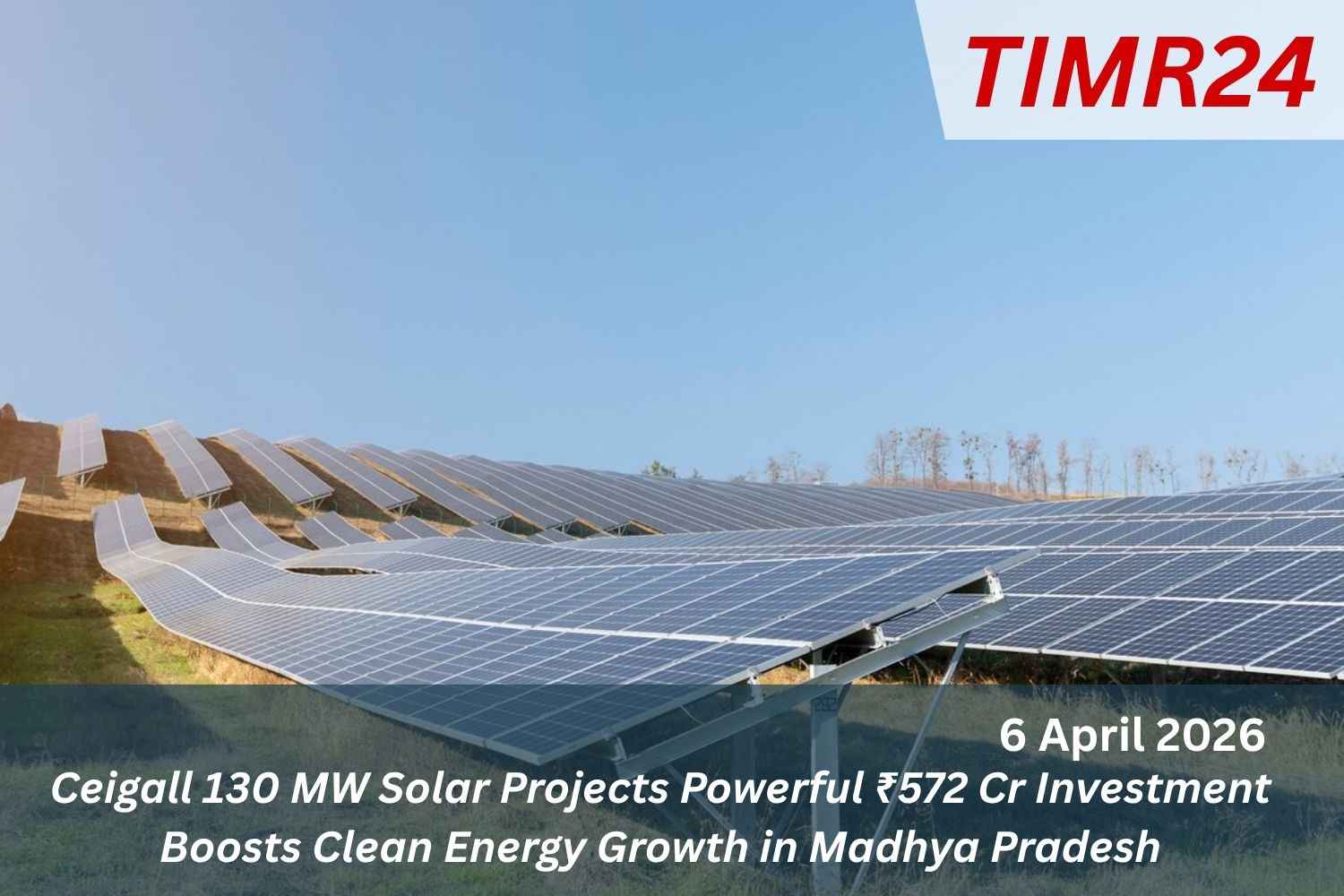

















AB Energia has obtained a 15 MWp solar EPC project from Avener Capital in Mahoba district, Uttar Pradesh, with completion expected by mid-April. This move aligns with the government’s priorities in the Union Budget 2026, which emphasizes the acceleration of renewable energy and private sector involvement. AB Energia will execute the project using advanced bifacial TOPCon modules to enhance energy output and efficiency. CEO Sandesh Naik highlighted the project as a testament to their EPC capabilities and a strategic entry into Uttar Pradesh, aiming to contribute to local clean energy goals and India’s energy transition The expansion of renewable energy infrastructure in India.
Advancing Sustainable Power Generation
Continues to gain momentum as AB Energia strengthens its Engineering, Procurement, and Construction (EPC) footprint through the development of a 15 MWp solar power project in Uttar Pradesh. This strategic move represents a significant step in advancing sustainable power generation while supporting India’s ambitious renewable energy targets. The project not only reflects the company’s commitment to green energy solutions but also highlights the growing importance of solar energy in meeting rising electricity demand across industrial and commercial sectors. As India continues to accelerate its transition toward cleaner energy sources, such projects.
Play a crucial role in enhancing energy security, reducing carbon emissions, and promoting long-term environmental sustainability India’s renewable energy landscape has undergone rapid transformation over the past decade, driven by government initiatives, technological advancements, and increasing investment in clean power solutions. Solar energy has emerged as one of the most promising sources of electricity generation due to its scalability, affordability, and environmental benefits. The new 15 MWp solar project marks an important milestone in the company’s expansion strategy, allowing it to strengthen its position in the competitive EPC segment.
Efficient Project Completion, Optimal
EPC services involve the complete lifecycle of project execution, including engineering design, procurement of materials, installation, and commissioning of solar infrastructure. By delivering integrated solutions, companies can ensure efficient project completion, optimal performance, and cost-effective operations for clients The development of this solar project also aligns with India’s national mission to increase renewable energy capacity and reduce reliance on fossil fuels. The government has been actively promoting solar adoption through policy support, financial incentives, and infrastructure development initiatives. Organizations involved in solar.
EPC projects contribute significantly to achieving these national goals by delivering reliable and high-quality renewable energy systems From a technological perspective, the 15 MWp solar installation is expected to incorporate advanced photovoltaic modules, efficient inverters, and optimized system design to ensure maximum energy output. Modern solar projects focus on improving efficiency while minimizing operational costs, making them viable alternatives to conventional power sources. The adoption of advanced monitoring systems also enables real-time performance tracking, predictive maintenance, and improved energy management.
Supporting Sustainable Development
These technological improvements contribute to increased reliability and better returns on investment for stakeholders while supporting sustainable development goals The project’s location in Uttar Pradesh holds particular significance due to the state’s growing energy requirements and increasing focus on renewable energy adoption. As one of India’s most populous states, Uttar Pradesh faces substantial demand for electricity across residential, commercial, and industrial sectors. Solar power projects help address this demand by providing clean and affordable energy while reducing dependence on traditional energy sources.
The expansion of solar infrastructure in the region also creates employment opportunities, supports local economic growth, and enhances the overall energy ecosystem Another important aspect of this development is its environmental impact. Solar power generation significantly reduces greenhouse gas emissions compared to conventional thermal power plants. By harnessing sunlight as a renewable resource, solar installations minimize air pollution, conserve natural resources, and support global climate action efforts. The transition toward renewable energy sources is essential for mitigating the effects of climate change and ensuring a sustainable future for upcoming generations.
Ensuring Seamless Coordination
Projects like this demonstrate how private sector participation can accelerate environmental progress while delivering economic benefits The growing adoption of EPC services in the renewable energy sector reflects the increasing complexity of modern infrastructure projects. EPC contractors provide end-to-end project management, ensuring seamless coordination across design, procurement, and construction stages. This integrated approach reduces project risks, improves efficiency, and ensures timely completion. Companies specializing in solar EPC services are playing a critical role in expanding renewable energy capacity by delivering high-quality installations that meet industry standards and regulatory requirements.
Q1. What is AB Energia’s new solar project about?
The project involves developing a 15 MWp solar power plant in Uttar Pradesh, strengthening AB Energia’s EPC portfolio and renewable energy presence.
Q2. What does EPC mean in the solar industry?
EPC stands for Engineering, Procurement, and Construction, covering design, equipment sourcing, and project execution.
Q3. Where is the solar project located?
The project is being developed in Uttar Pradesh to support regional clean energy demand.
Q4. How will the project benefit the environment?
It will reduce carbon emissions, promote renewable energy use, and support sustainable power generation.
Q5. Why is this project important for India’s energy sector?
It supports India’s renewable energy targets and strengthens solar infrastructure development.