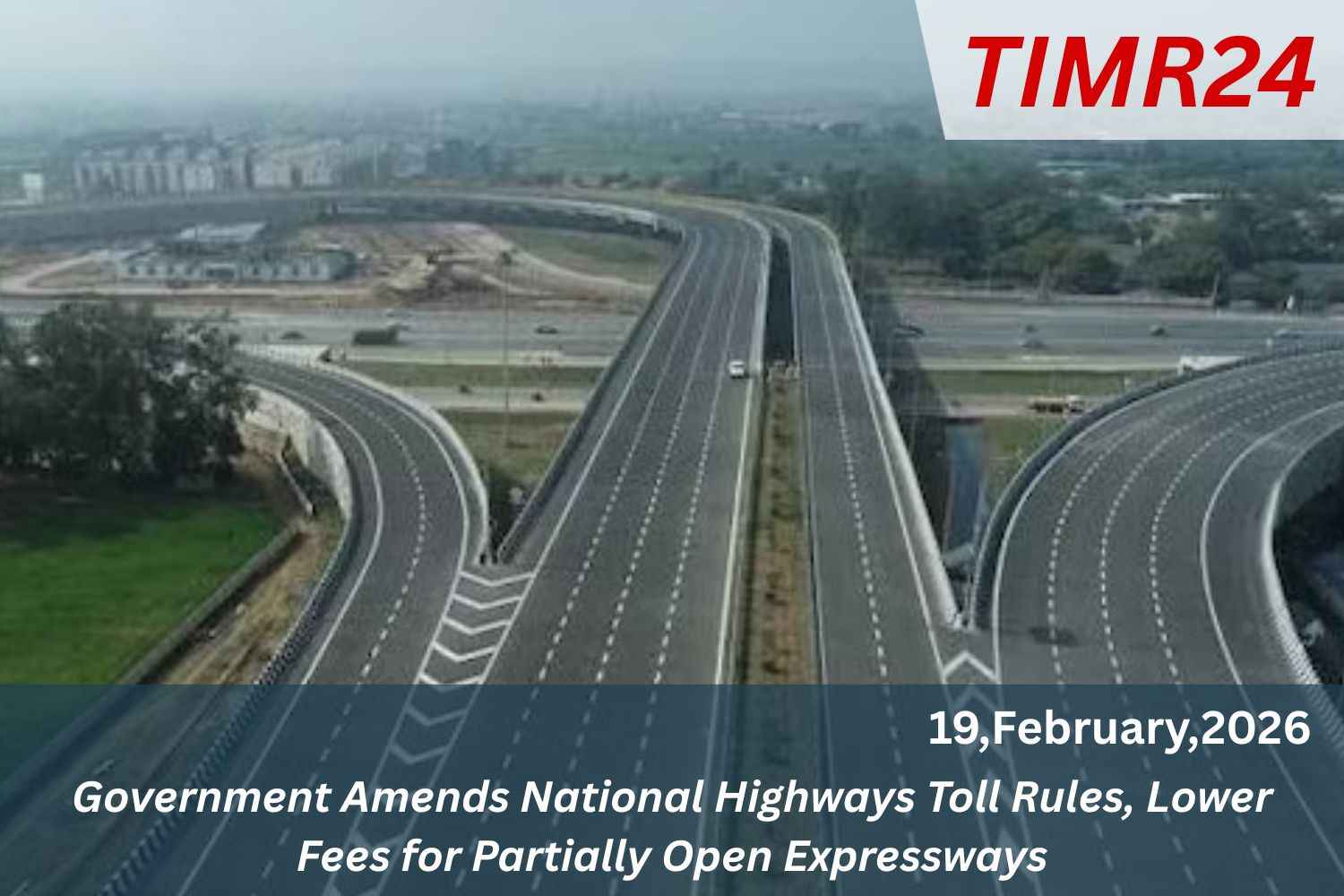

The Indore Utthan Samiti has proposed a rotary-equipped elevated corridor as an alternative to the current plan of six flyovers and grade separator on the busy AB Road stretch between MR-9 and Navlakha. The committee believes this design will ensure signal-free intersections and ease congestion, while the Indore Development Authority is currently surveying the flyovers and grade separator.
To address the growing traffic congestion on Indore’s Agra-Bombay (AB) Road, the Indore Utthan Samiti has put forward a proposal for constructing an elevated corridor integrated with a rotary system. This proposed infrastructure aims to streamline vehicular flow, reduce bottlenecks, and ensure smoother commutes along one of the busiest stretches in the city. (Smart City)
Traffic Woes on AB Road
The AB Road in Indore is a vital arterial route connecting several key commercial, educational, and residential zones. With the rise in urbanization and the growing number of vehicles, daily commuters often face long traffic snarls, especially during peak hours. The intersections at Aplasia Square, LIG Square, and Rajiv Gandhi Square are known choke points that significantly slow down traffic movement. According to recent city transport department reports, vehicle density on this road has increased by nearly 30% over the last five years.
Moreover, by relieving congestion, the project supports sustainable urban transport planning, aligning with India’s broader goals of smart city development. You can read more about how elevated corridors are transforming urban mobility in India in this (NITI Aayog infrastructure case study)
Proposal Highlights
The proposed elevated corridor will run parallel to AB Road, starting from Rajiv Gandhi Square and extending beyond Palasia Square. At its core, the corridor will feature a rotary interchange—a circular intersection designed to facilitate uninterrupted vehicle flow without traditional traffic signals. The rotary system will be crucial in managing the merging and diverging traffic between the elevated road and the existing ground-level roads.
Benefits of the Elevated Corridor
Once implemented, the elevated corridor is expected to:
- Decrease average travel time by at least 30% between major junctions.
- Minimize the use of traffic lights, enabling a signal-free commute on the elevated stretch.
- Improve pedestrian safety with designated underpasses and skywalks.
- Reduce vehicular emissions by cutting idle times at intersections, contributing to cleaner air quality in Indore.
The project will also support public transport efficiency, allowing buses and emergency vehicles faster movement through priority lanes on the elevated track.
Urban Planning and Support
The Indore Development Authority (IDA), along with the Public Works Department (PWD), has expressed preliminary support for the project. The Samiti has also called for collaboration with traffic experts, urban planners, and civic bodies to ensure the design aligns with future urban expansion and transport demands. The elevated corridor will complement ongoing projects like the BRTS corridor expansion and the Smart City mobility upgrades.
Challenges Ahead
Despite its many advantages, the project faces several hurdles. Land acquisition near the rotary zone and budget approvals from the state government will be critical challenges. Additionally, ensuring minimal disruption to ongoing city traffic during the construction phase remains a concern that will require phased planning and real-time traffic management.
Conclusion
The Indore Utthan Samiti’s visionary proposal could mark a turning point in the city’s infrastructure development. If executed with proper planning and collaboration, the elevated corridor with rotary can serve as a model for other urban centres grappling with similar traffic issues. For updates on the project’s progress.
Q1. Indore Utthan Samiti Proposes Elevated Corridor with Rotary to Ease Traffic on AB Road
The purpose is to ease traffic congestion on AB Road by creating a signal-free elevated route with a rotary system for smoother vehicle movement.
Q2. Where will the elevated corridor be constructed?
The proposed corridor will span from Rajiv Gandhi Square to Aplasia Square along AB Road in Indore.
Q3. What is a rotary system, and how will it help?
A rotary system is a circular intersection that allows continuous traffic flow, reducing delays caused by traffic signals and congestion.
Q4. Who is backing the proposal?
The proposal has received initial support from the Indore Development Authority (IDA) and the Public Works Department (PWD).
Q5. What are the expected benefits of the project?
Key benefits include reduced travel time, improved air quality, enhanced pedestrian safety, and better public transport movement.