













India’s Union Minister for New & Renewable, Shri Pralhad Joshi, has outlined five key priorities for the country’s clean transition: stronger power purchase agreements, advanced grid and storage systems, domestic manufacturing, land-use optimization, and improved access to finance. The reforms are fast-tracking India’s progress toward its 2030 target of 500 GW non-fossil fuel capacity.
India accelerates clean energy goals with the announcement of five transformative reforms by Union Minister for New & Renewable Energy, Pralhad Joshi. These reforms are strategically aimed at strengthening India’s renewable energy ecosystem, enhancing energy independence, and reinforcing its commitment to achieve net-zero carbon emissions by 2070.
Under Prime Minister Narendra Modi, India is fulfilling its climate commitments and accelerating its transition to a greener future. The country has already crossed 50% of its installed power capacity from non-fossil sources, five years ahead of its Nationally Determined Contribution (NDC) timeline. The government is facilitating this growth through initiatives like the PM Surya Ghor: Mufti Bijli Yojana, a Viability Gap Funding scheme, a comprehensive transmission plan, and support for innovation and responsible land use.
Union Minister for New & Renewable Energy, Pralhad Joshi, has announced a comprehensive push towards clean energy, unveiling five key reforms that aim to transform India’s energy sector. These measures are part of the country’s commitment to achieving net-zero emissions by 2070 and to enhance security through sustainable alternatives.
1. Boosting Renewable Energy Capacity
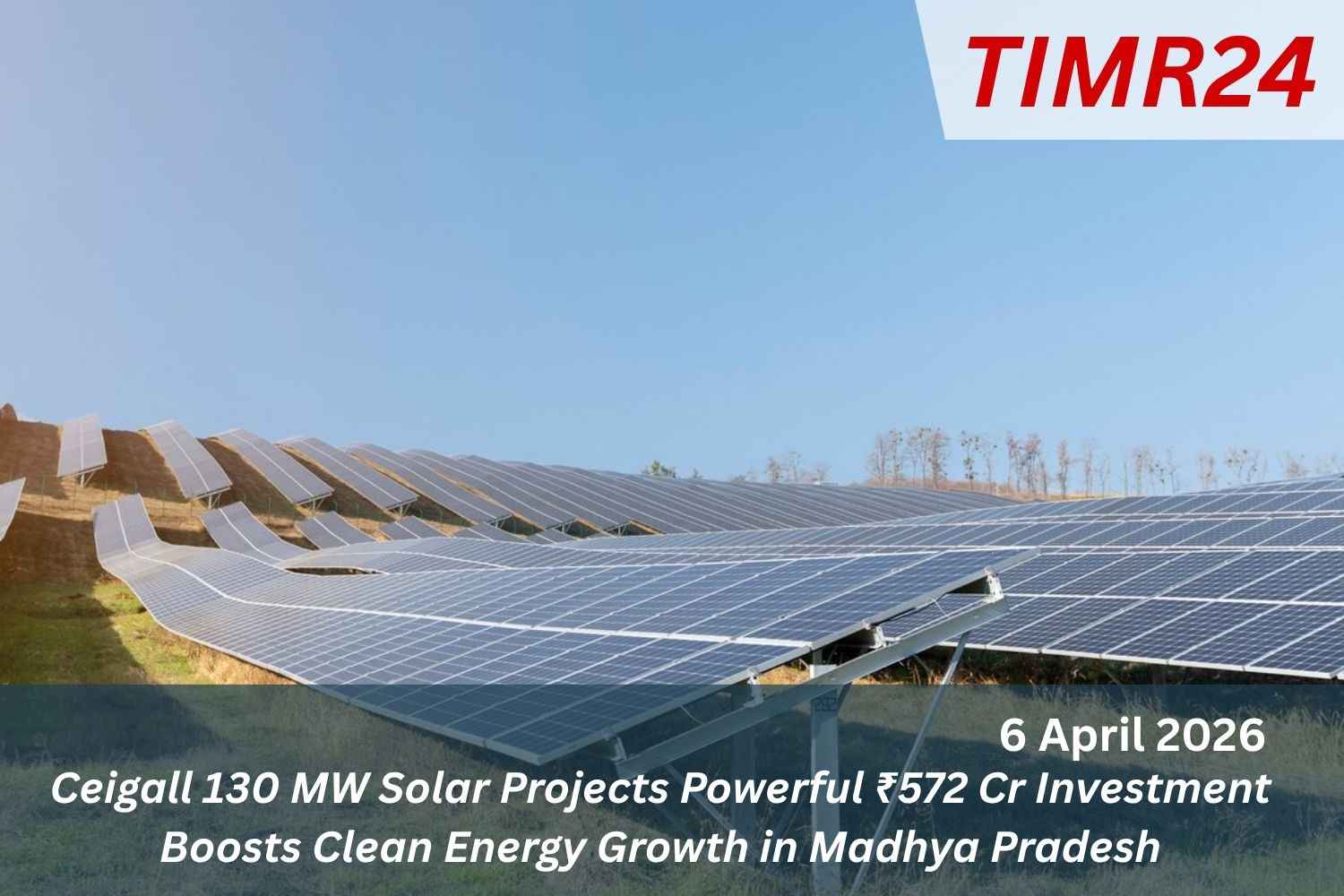
One of the foremost reforms focuses on expanding India’s renewable capacity to 500 GW by 2030. This includes large-scale solar parks, offshore wind projects, and hybrid energy zones. The government will fast-track clearances and ensure ease of land acquisition. This move follows the momentum from recent solar initiatives in Rajasthan and Gujarat (Solar Project).
2. Green Hydrogen Mission
The second major reform is the implementation of the National Green Hydrogen Mission. Pralhad Joshi emphasized that hydrogen will be a “game changer” in sectors like steel, shipping, and refining. The mission targets 5 million metric tonnes of green hydrogen production annually by 2030. Various pilot projects are already underway to test its feasibility in heavy industries.
3. Energy Storage & Grid Modernisation
A reliable transition needs robust storage infrastructure. The third reform pushes for development of battery energy storage systems (BESS) and pumped hydro storage. It also includes modernization of the transmission grid to handle intermittent renewable sources. Projects like the Green Corridor are central to this shift
4. Policy Support for Private Sector
To attract investments, the government is simplifying the regulatory framework and offering incentives like viability gap funding (VGF), tax holidays, and performance-linked incentives (PLI). Pralhad Joshi noted that public-private partnerships will be the cornerstone of India’s clean energy transition. This approach is aligned with recent infrastructure PPP models in roads and urban development (Renewable Energy).
5. Localized Clean Energy Initiatives
The fifth reform emphasizes decentralized systems including rooftop solar, biomass-based mini-grids, and rural electrification through clean sources. States like Uttar Pradesh and Bihar will benefit from targeted schemes under this framework. IWAI’s recent inland water transport projects also align with regional clean mobility solutions.
Looking Ahead
These reforms reflect India’s holistic strategy to transition from fossil fuels while maintaining energy access and affordability. With strong political will and growing global collaboration, India is positioning itself as a leader in clean energy innovation. Pralhad Joshi’s announcement serves not just as a policy update but a signal of accelerating change in India’s energy landscape.
Q1. What are the 5 key clean energy reforms announced by Pralhad Joshi?
The reforms include boosting renewable capacity, launching the Green Hydrogen Mission, improving storage, supporting private sector participation, and promoting localized clean solutions.
Q2. What is India’s renewable energy target for 2030?
India aims to achieve 500 GW of renewable capacity by 2030.
Q3. How does the Green Hydrogen Mission help India’s goals?
It targets 5 million metric tonnes of green hydrogen production annually to decarbonize heavy industries and reduce fossil fuel dependence.
Q4. What incentives are being offered to private investors in clean energy?
The government is offering viability gap funding, PLI schemes, tax benefits, and easier regulatory processes to boost private sector participation.
Q5. How will these reforms benefit rural and remote areas?
Localized solutions like rooftop solar, biomass grids, and mini renewable projects will improve access in rural regions.