






Dwarka Expressway in Gurugram has seen a 135% surge in property prices over the last five years, driven by sustained housing demand, premium residential unit launches, and rapid infrastructure growth. The 29-km corridor, India’s first 16-lane highway, connects Dwarka in Delhi to Kerik Duala Toll Plaza. The average high-rise apartment rate in the region is Rs 14,342 per sq. ft., and over 25,000 housing units are expected to be launched by leading developers in the next three years. The region is poised for even stronger growth with upcoming projects like tunnels and metro corridors.
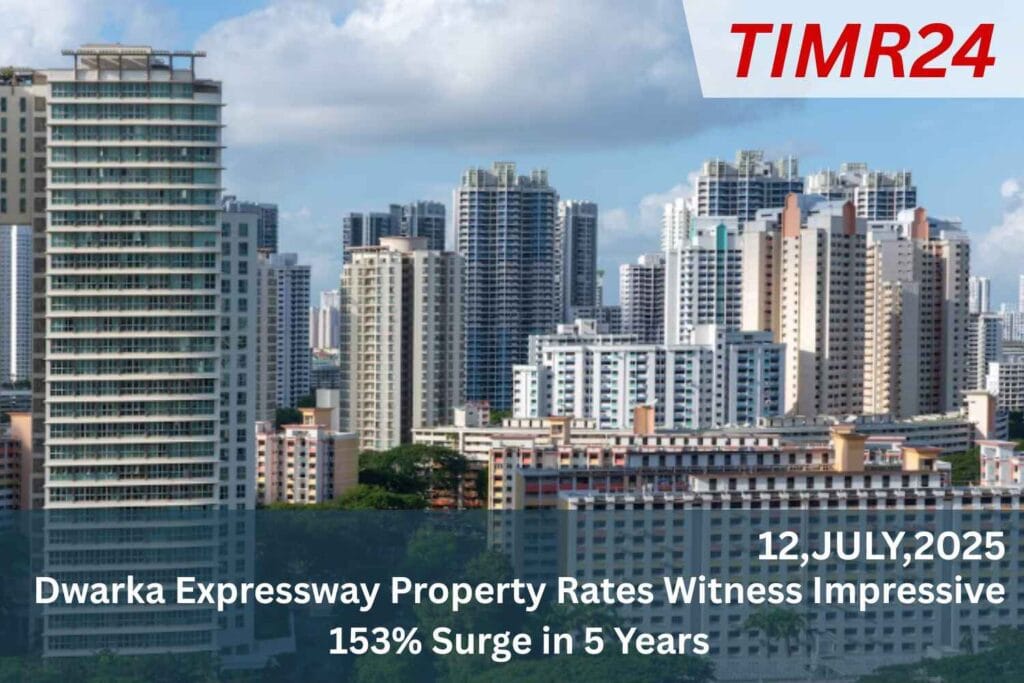
The Dwarka Expressway, also known as the Northern Peripheral Road (NPR), has emerged as one of the most lucrative real estate corridors in the Delhi-NCR region. Property rates along this 29-km expressway stretch—connecting Dwarka in Delhi to Gurugram in Haryana—have witnessed a massive 153% increase over the past five years, as per recent industry data. This sharp appreciation reflects the growing confidence of investors, homebuyers, and developers in the corridor’s long-term potential. Here’s a breakdown of the growth by topic, along with internal links for deeper insights.
1. Infrastructure Development Driving Growth
The key driver of this property boom is the completion of major infrastructure projects along the corridor. The Dwarka Expressway, now nearing full operational status, connects directly to the Indira Gandhi International Airport, Delhi-Gurugram Expressway, and Urban Extension Road-II (UER II). This multi-modal connectivity has made the expressway a sought-after location for residential and commercial development.
2. Surge in Real Estate Demand
With improved road infrastructure, sectors like Gurugram’s Sector 102–113 and Delhi’s Sector 21 have become prime hotspots. There has been a rise in demand for luxury and mid-segment housing, with prominent developers such as DLF, Godrej, Sabha, and Tata Housing launching premium projects along the corridor. This demand is being fuelled by working professionals looking for modern housing close to employment hubs.
3. Government Initiatives and Policy Support
The Haryana and Delhi governments have provided significant policy incentives to support integrated urban growth along the Dwarka Expressway. Initiatives such as Deem Danyal Jan Awes Yojana and revised FAR policies have made development more attractive to private players. The corridor has also been designated for Transit-Oriented Development (TOD), which will include commercial zones, metro access, and smart city features.
4. Investment Opportunities and Returns
Between 2018 and 2023, average property rates have surged from approximately ₹4,500 per sq ft to over ₹11,000 per sq ft in some prime sectors. This 153% appreciation has positioned the expressway as a goldmine for early investors. Analysts believe there’s still significant headroom for future growth, especially once metro extensions and commercial projects are operational.
Explore: Latest Real Estate Price Trends
5. Challenges and Outlook
While the outlook is largely positive, challenges such as delayed project deliveries, infrastructure readiness in inner sectors, and regulatory approvals remain. However, with the expressway now substantially complete and peripheral infrastructure catching up, the long-term growth outlook remains bullish.
Conclusion
The Dwarka Expressway’s remarkable 153% rise in property values over five years showcases how strategic infrastructure, government support, and urban planning can transform a corridor into a thriving real estate destination. As it matures further with metro connectivity, green zones, and smart living amenities, this expressway is set to redefine urban living and real estate investment in NCR.
q1. Why have property rates surged on Dwarka Expressway?
Due to major infrastructure upgrades and improved connectivity.
q2. How much have prices increased in 5 years?
Property rates have risen by 153% between 2018 and 2023.
q3. Which areas saw the most growth?
Sectors 102–113 in Gurugram and parts of Dwarka in Delhi.
q4. Is it a good time to invest in this corridor?
Yes, experts see continued growth due to metro and commercial expansion.
q5. What types of properties are in demand?
Mid-segment and luxury residential projects are most popular.