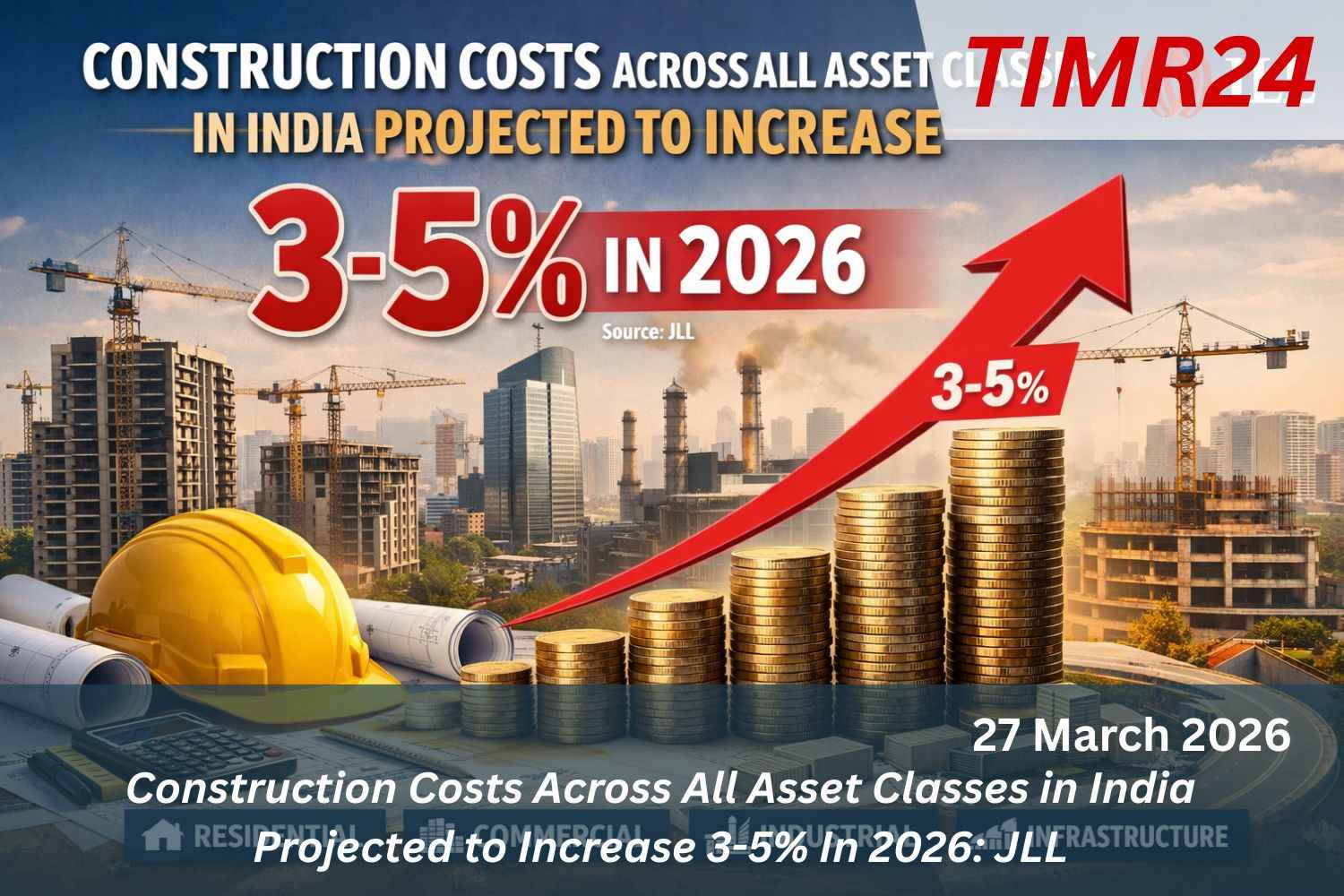
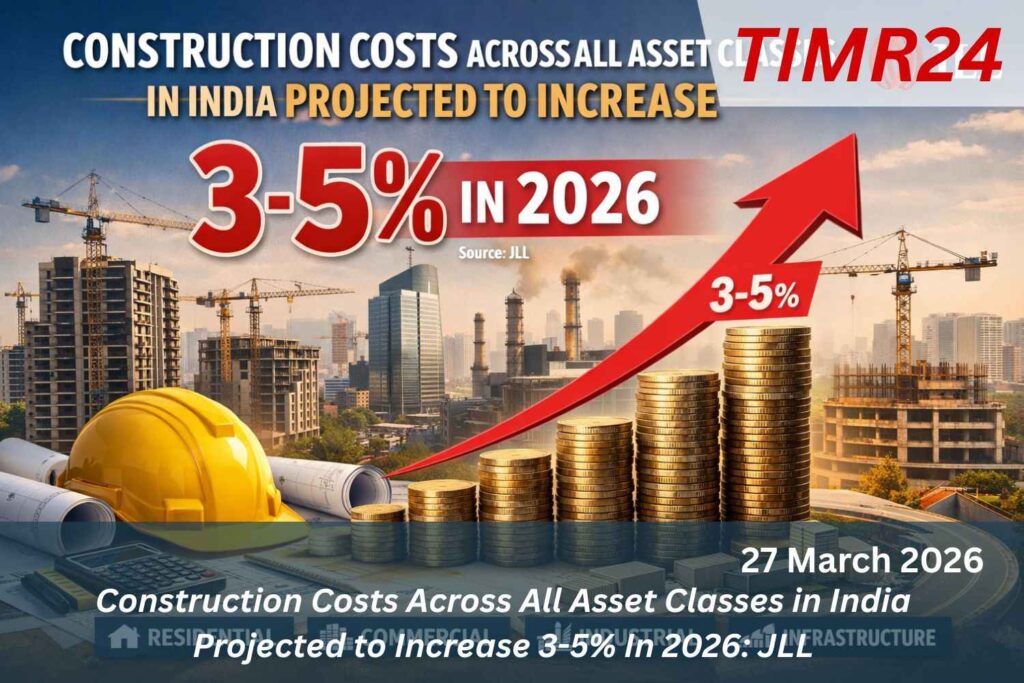
India’s construction industry is undergoing significant change, bolstered by strong economic factors and regulatory reforms. Construction costs are expected to rise 3-5% in 2026, attributed to mixed material costs—where cement and steel see mild decreases, but aluminum and copper rise significantly. Labor costs are under upward pressure due to shortages, increasing by 5-6%. Tax relief from the GST 2.0 initiative and the new labor code will provide both savings and increased costs, respectively. Major cities reflect a wide range of price differentials, indicating strategic shifts in the real estate market. The sector is also transitioning towards sustainability and digital technologies.
Construction Dynamics Continue To Evolve In Response
Countering potential challenges. Overall, the industry is poised for growth, with an emphasis on adapting to market dynamics and regulatory changes The construction sector in India is entering a transformative phase as cost dynamics continue to evolve in response to both domestic and global factors. According to a recent report by JLL, construction costs across all asset classes are projected to rise by 3–5% in 2026. This anticipated increase reflects a combination of macroeconomic pressures, supply chain adjustments, labour market changes, and heightened demand for infrastructure and real estate development. As India continues to position itself as a fast-growing economy.
The construction industry remains a critical pillar supporting urbanisation, industrial expansion, and public infrastructure development One of the primary factors contributing to the projected rise in construction costs is the volatility in raw material prices. Key inputs such as steel, cement, aluminium, and bitumen have witnessed fluctuations over the past few years, influenced by global commodity cycles and geopolitical tensions. Even slight changes in these materials can significantly impact overall project costs, especially in large-scale infrastructure developments. Additionally, transportation costs have increased due to fuel price volatility, further adding to the financial burden on contractors and developers.
Andemic Have Also Reshaped The Labour Market
Labour costs are another significant component influencing construction expenses in India. With increasing urbanisation and demand for skilled workers, wages have been steadily rising. The migration patterns observed during and after the pandemic have also reshaped the labour market, making workforce availability less predictable. Skilled labour shortages in specialised areas such as high-rise construction, advanced machinery operation, and green building technologies are pushing companies to offer higher compensation, thereby increasing overall project costs. Developers are now focusing on workforce training and retention strategies to maintain efficiency and reduce delays.
The growing emphasis on sustainability and green construction practices is also playing a role in cost escalation. While environmentally friendly materials and technologies offer long-term benefits such as energy efficiency and reduced operational costs, they often come with higher upfront investments. Regulatory requirements and certifications for green buildings are becoming more stringent, compelling developers to adopt eco-friendly practices. This shift is essential for long-term sustainability but adds to initial project budgets. Technological advancements are both a challenge and an opportunity for the construction sector. The adoption of digital tools such as.
Technologies Are Expected To Enhance Productivity
Building Information Modelling (BIM), automation, and prefabrication techniques can improve efficiency and reduce wastage. However, the initial investment in technology and training can increase project costs in the short term. Over time, these technologies are expected to enhance productivity and offset rising expenses, making them a crucial component of future-ready construction strategies Government policies and infrastructure initiatives continue to drive demand in the construction sector. Large-scale projects such as highways, railways, smart cities, and industrial corridors are creating significant opportunities for contractors and developers. However, increased demand also.
Leads to higher competition for resources, pushing up prices. Public-private partnerships (PPPs) are playing a vital role in funding and executing these projects, but cost management remains a key concern The real estate sector, particularly residential and commercial segments, is also experiencing growth, which contributes to rising construction costs. With increasing (India) demand for housing and office spaces, developers are under pressure to deliver projects on time while managing budgets effectively. The rise of co-working spaces, logistics hubs, and data centres is further expanding the scope of construction activities Another critical aspect highlighted in the JLL report is supply chain resilience.
Approach Enhances Stability
The disruptions experienced during recent global events have prompted companies to rethink their procurement strategies. Many developers are now focusing on local sourcing and diversified supplier networks to minimise risks. While this approach enhances stability, it may initially lead to higher costs due to adjustments in procurement processes. Inflationary pressures in the broader economy are also contributing to rising construction costs. As the cost of goods and services increases, the construction industry inevitably faces higher expenses. Interest rates, financing costs, and currency fluctuations further influence project budgets, especially for large-scale developments with long timelines.
Developers are increasingly adopting financial planning strategies to mitigate these risks and ensure project viability Despite these challenges, the outlook for India’s construction sector remains positive. Strong economic growth, increasing foreign investments, and government support are expected to sustain demand across various asset classes. The key for stakeholders lies in adopting innovative approaches to cost management. Value engineering, efficient project planning, and the use of alternative materials can help control expenses without compromising quality.
The projected 3–5% increase in construction costs in 2026 reflects a complex interplay of factors shaping the industry. While rising expenses pose challenges, they also create opportunities for innovation and efficiency improvements. Developers, contractors, and (India) policymakers must work collaboratively to address cost pressures and ensure sustainable growth. By leveraging technology, optimising resources, and adopting forward-thinking strategies, the construction sector in India can continue to thrive in an evolving economic landscape.
Q1. Why are construction costs rising in India in 2026?
Construction costs are increasing due to rising material prices, labour shortages, inflation, and supply chain disruptions.
Q2. Which sectors will be most affected?
Residential, commercial, infrastructure, and industrial projects will all experience cost increases.
Q3. What is the expected increase percentage?
According to JLL, costs are projected to rise by 3–5% in 2026.
Q4. How will this impact developers?
Developers may face reduced margins and may pass costs to buyers or delay projects.
Q5. What strategies can reduce cost pressure?
Using technology, efficient procurement, sustainable materials, and better project planning can help control costs.