











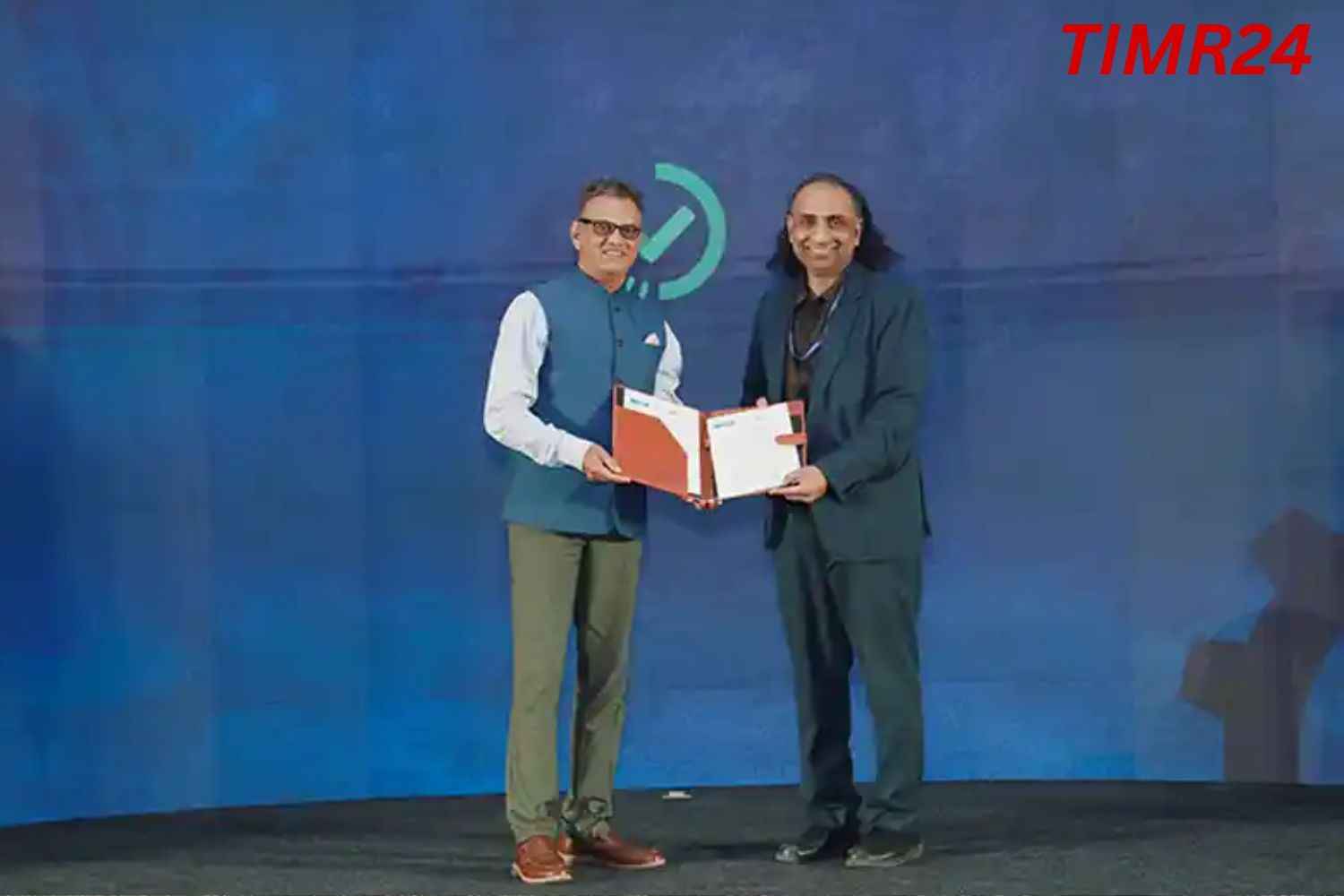



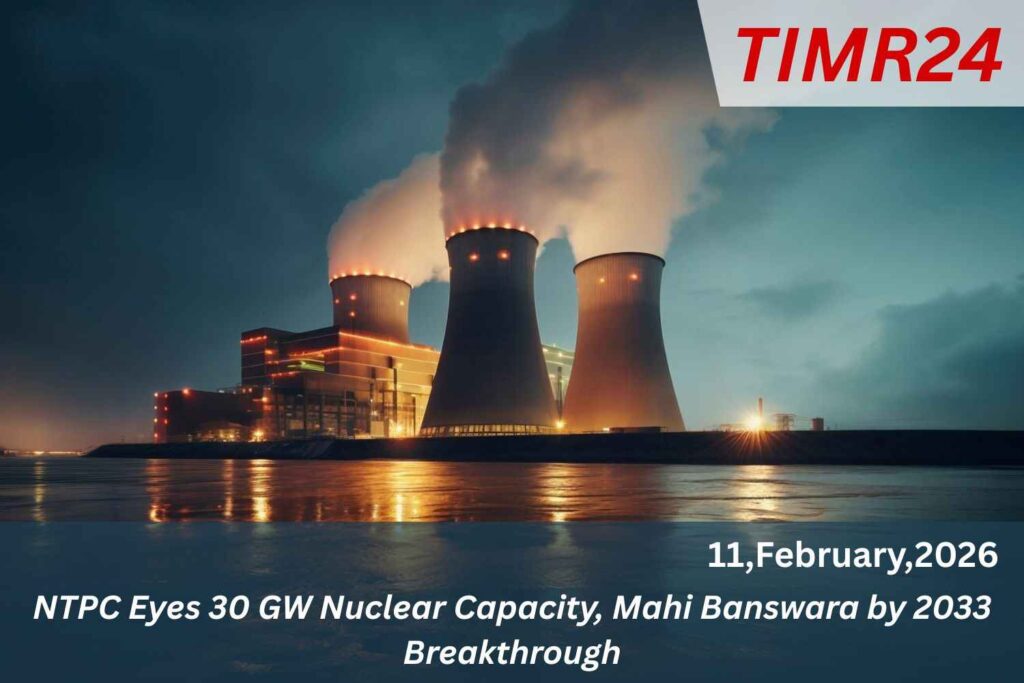
NTPC Ltd has announced plans to develop 30 GW of nuclear power capacity by 2047, contributing to India’s goal of 100 GW. This expansion will occur through joint ventures and a dedicated nuclear subsidiary. Anu Shakti Vidyut Nigam Limited, a collaboration with the Nuclear Power Corporation of India, is working on a 4×700 MW project in Rajasthan called the Mahi Banswara Rajasthan Atomic Power Project. NTPC has also established NTPC Parmanu Urja Nigam Limited as a subsidiary. To explore partnerships, NTPC has sought global collaborations and anticipates initial testing of the first 700 MW unit by the financial year 2032-33.
NTPC Limited’s Ambitious Plan
India’s energy sector is undergoing a major transformation as the country aggressively moves toward sustainable and low-carbon electricity generation to meet growing demand and climate commitments. One of the most significant developments in this transition is NTPC Limited’s ambitious plan to establish 30 GW of nuclear power capacity by 2047. As India’s largest power producer, NTPC’s entry into large-scale nuclear energy development marks a strategic shift in the country’s long-term power generation strategy. The initiative reflects India’s broader focus on energy security, decarbonization, and infrastructure modernization The development of nuclear capacity is closely aligned with India’s.
Commitment to achieving net-zero emissions and strengthening base-load power generation. Unlike solar and wind energy, which depend on weather conditions, nuclear energy provides a stable and continuous power supply, ensuring grid reliability and reducing dependence on fossil fuels. India’s electricity demand is expected to increase significantly due to urbanization, industrial growth, digital infrastructure expansion, and rising living standards. In this context, nuclear energy is emerging as a critical component of India’s diversified energy mix A major highlight of NTPC’s nuclear roadmap is the Mahi Banswara Nuclear Power Project in Rajasthan, which represents one of the company’s.
Collaboration With Nuclear Power Corporation
Most significant upcoming developments. The project is expected to begin testing operations by 2032–33, marking a key milestone in India’s nuclear energy expansion strategy. Located in Rajasthan, the project is being developed in collaboration with Nuclear Power Corporation of India Limited (NPCIL), leveraging advanced reactor technology and modern safety frameworks. The project is expected to generate significant employment opportunities, boost regional infrastructure development, and enhance local economic growth The Mahi Banswara project also highlights the government’s commitment to strengthening nuclear infrastructure through public sector.
Collaboration and long-term investment planning. Nuclear power plants require extensive planning, advanced engineering capabilities, and strict regulatory compliance to ensure safety and efficiency NTPC’s plan to build 30 GW nuclear capacity by 2047 also supports India’s broader clean energy transition strategy. The government has set ambitious renewable energy targets, including expanding solar and wind power generation capacity. However, renewable energy alone cannot meet the country’s continuous power demand due to its intermittent nature. Nuclear energy complements renewable sources by providing consistent base-load power, stabilizing electricity supply, and ensuring efficient grid management.
Nuclear Power Plants Involves
From an economic perspective, the expansion of nuclear power infrastructure is expected to attract large-scale investments, enhance technological innovation, and strengthen domestic manufacturing capabilities. The construction of nuclear power plants involves advanced equipment, engineering services, and high-skilled workforce development, contributing to industrial growth and technological advancement. The initiative aligns with India’s “Make in India” vision by promoting domestic production of nuclear components and reducing reliance on imports. This development also supports the country’s infrastructure expansion goals.
Environmental sustainability is another major driver behind NTPC’s nuclear expansion plan. Nuclear power generation produces minimal greenhouse gas emissions compared to coal-based power plants, making it an effective tool for reducing carbon intensity in the power sector. As global pressure increases to combat climate change, countries worldwide are investing in low-carbon energy technologies. India’s nuclear energy expansion reflects its commitment to international climate agreements and sustainable development goals. By reducing reliance on fossil fuels, nuclear energy contributes to cleaner air, reduced pollution, and improved environmental health.
Government Aims To Transform
The long-term vision of achieving 30 GW nuclear capacity by 2047 demonstrates India’s strategic planning for future energy requirements. The year 2047 holds special significance as it marks 100 years of India’s independence, and the government aims to transform the country into a developed economy by that time. Reliable and sustainable energy infrastructure will play a central role in achieving this vision. NTPC’s nuclear expansion strategy supports economic growth, industrial productivity, and technological leadership while ensuring energy security for future generations The success of nuclear projects depends heavily on regulatory frameworks.
Safety measures, and public acceptance. Nuclear energy projects require strict compliance with environmental and safety regulations to minimize risks and ensure public confidence. India has established strong regulatory institutions to monitor nuclear operations, conduct (India) safety audits, and implement emergency preparedness measures. These frameworks ensure that nuclear energy development remains safe, transparent, and accountable Furthermore, NTPC’s diversification into nuclear energy reflects the evolving business strategy of India’s public sector enterprises. Traditionally known for thermal power generation, NTPC has increasingly invested in renewable energy projects.
Competitiveness, And Supports National Energy
Including solar and wind power. The addition of nuclear power to its portfolio demonstrates a comprehensive approach toward sustainable energy development. This diversification reduces operational risks, enhances long-term competitiveness, and supports national energy priorities The expansion of nuclear capacity also has geopolitical and strategic implications. Energy independence is a critical factor in national security, and reducing dependence on imported fossil fuels strengthens India’s strategic position. Nuclear energy provides a reliable domestic power source that supports industrial growth, technological innovation, and economic stability.
As global energy markets face volatility, developing indigenous energy infrastructure becomes increasingly important The development of nuclear power in India will likely involve continued technological innovation, policy reforms, and international collaboration. Advanced reactor designs, improved safety mechanisms, and efficient waste management solutions are expected to shape the future of nuclear energy. India’s partnership with global nuclear agencies and research institutions will further strengthen its technological capabilities and operational standards NTPC’s plan to develop 30 GW nuclear capacity by 2047 represents a transformative step in India’s energy landscape.
The Mahi Banswara Nuclear Project’s expected testing phase by 2032–33 marks an important milestone in this journey, highlighting the country’s commitment to sustainable development, energy security, and infrastructure growth. By integrating nuclear power with renewable energy sources, promoting technological innovation, and strengthening regulatory frameworks, India is (India) building a resilient and future-ready energy ecosystem. As the nation continues its transition toward clean energy, nuclear power will play a crucial role in ensuring reliable electricity supply, supporting economic progress, and achieving long-term environmental sustainability.