








Bengaluru is set to receive a Rs 1,200 billion infrastructure boost under new projects by the Karnataka government. The plans include expanding the city’s metro network, constructing tunnel roads, elevated corridors, and 500 km of white-topping works to improve road durability. The projects align with Chief Minister Siddaramaiah’s vision to make Bengaluru a global city. Bengaluru, India’s technology powerhouse, has embarked on one of the country’s most ambitious infrastructure overhauls a ₹1,200 billion mega upgrade plan that aims to redefine the city’s skyline and improve the quality of life for its 13 million residents. Under the visionary “Bengaluru 2030 Urban Development Mission.
The initiative brings together transport, housing, water, energy, and digital governance in a single integrated framework. Known as India’s Silicon Valley, Bengaluru has faced years of urban pressure from traffic congestion to water shortages but this plan marks a turning point in its growth narrative. It promises a modern, green, and technologically advanced city ready to meet the demands of the next generation The most significant component of the ₹1,200 billion package focuses on Bengaluru’s transport ecosystem. The government has prioritized mobility transformation as the cornerstone of urban renewal. With the completion of Namma Metro Phase 3.
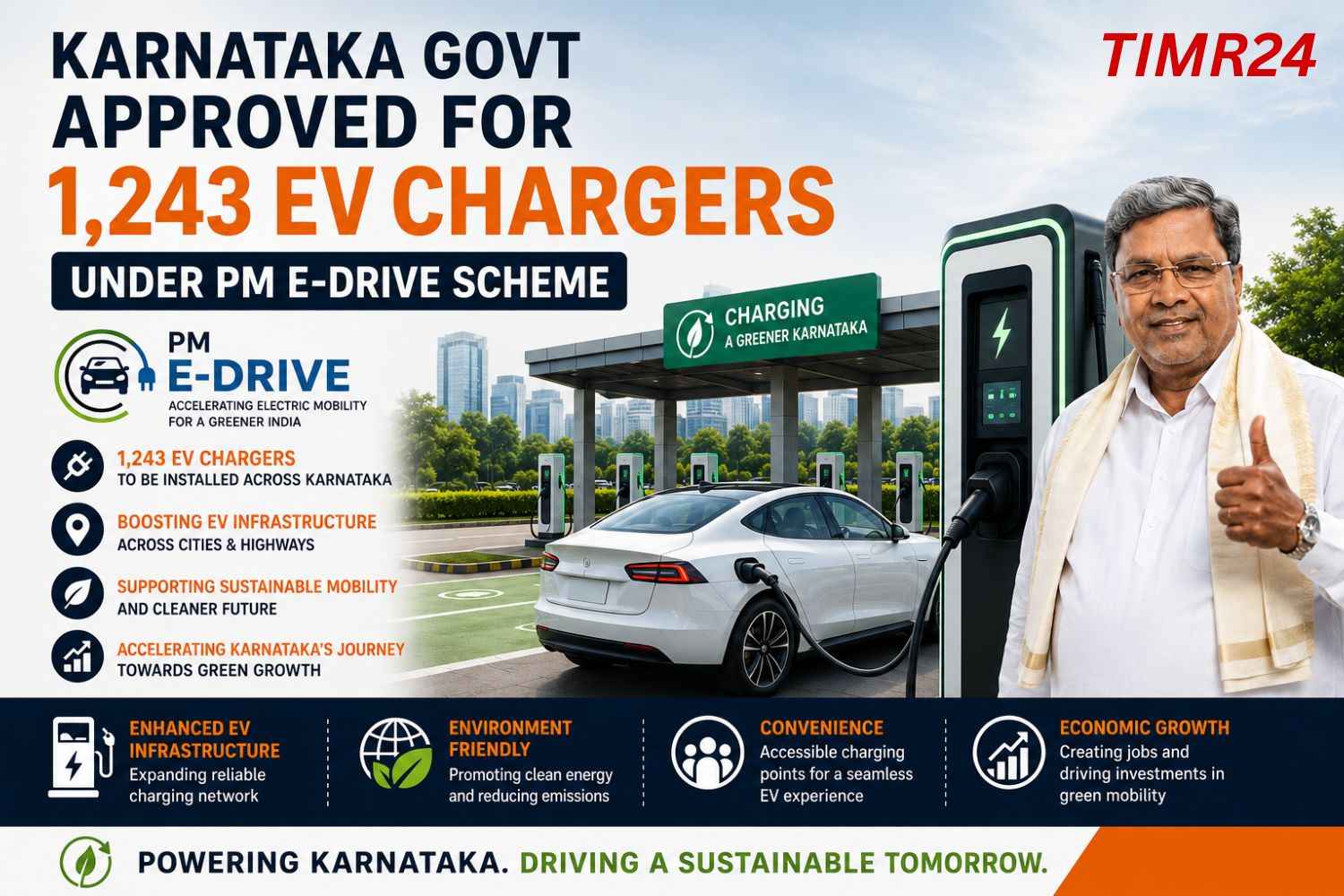
Connectivity will extend across previously neglected zones, linking residential districts to major employment hubs. The Peripheral Ring Road Project and the expansion of the Suburban Rail Network are expected to decongest the city’s roads, offering smoother transit for millions of daily commuters To complement these developments, smart traffic management systems powered by artificial intelligence and IoT sensors will be deployed to optimize flow and reduce emissions. The integration of electric vehicle infrastructure including 1,000 new EV charging stations under the Namma EV Mission will accelerate Bengaluru’s transition to green transport. This will not only cut.
Water and Waste Management: Building Urban Resilience
The city’s carbon footprint but also align it with national initiatives promoting sustainable urban mobility (NHAI) The new plan also addresses Bengaluru’s most critical concern water scarcity. With groundwater levels declining and population growth straining resources, the Cauvery Water Supply Scheme (Stage V) has been fast-tracked to ensure equitable distribution across all zones. Simultaneously, the city is implementing smart water metering systems to reduce wastage and improve billing transparency The Bengaluru Water Supply and Sewerage Board (BWSSB) will upgrade 800 kilometers of existing pipelines and install 50 new reservoirs to enhance.
Storage and distribution. The integration of rainwater harvesting systems, particularly in government institutions and large housing complexes, will ensure sustainability and long-term availability Waste management forms another cornerstone of the upgrade plan. Bengaluru will adopt a Waste-to-Energy (WTE) model, enabling the conversion of solid waste into electricity. The Solid Waste Management 2.0 framework encourages segregation at source, community composting, and recycling partnerships with local startups. This approach mirrors successful models seen in other Indian cities and supports a circular economy.
Affordable Housing and Inclusive Development
Housing affordability has been one of Bengaluru’s biggest challenges. The new infrastructure plan commits to developing 150,000 affordable housing units under the Pradhan Mantri Awas Yojana (Urban) and state-level housing schemes. These homes will cater to low- and middle-income families, ensuring inclusivity in urban growth The Bengaluru Development Authority (BDA) will also promote mixed-use projects that integrate commercial, residential, and recreational spaces, reducing commute times and fostering community living. Each housing project will incorporate green building norms, energy-efficient materials, and solar integration, ensuring that urban expansion remains environmentally conscious.
To encourage smart living, housing clusters will include digital connectivity, security surveillance, and IoT-based utilities. The goal is to make every home part of a broader “Smart Bengaluru Ecosystem”, ensuring sustainable lifestyles for residents Bengaluru’s digital backbone will receive a significant boost through the establishment of the Integrated Smart City Command Center, which will unify real-time data from multiple departments traffic, utilities, health, and waste management. Citizens will gain access to transparent governance through the “My Bengaluru App,” a single-window platform for grievances, bills, and updates on civic projects.
Green Energy and Climate Action Commitment
This integration of AI and data analytics into governance will ensure evidence-based decision-making. The city’s authorities are also exploring blockchain-based land record systems to eliminate corruption and enhance property transaction transparency. By merging governance with technology, Bengaluru aims to become India’s most citizen-centric metropolis by 2030. A forward-looking section of the plan focuses on renewable energy and environmental resilience. The Bangalore Electricity Supply Company (BESCOM) will introduce solar rooftop programs and microgrids in urban and semi-urban areas, allowing residents to feed surplus energy back into the grid.
This move aligns with India’s national renewable energy goals and enhances Bengaluru’s energy independence Urban parks and green corridors will be expanded to increase per capita green space, providing natural buffers against rising temperatures. The government also plans to convert 30% of municipal street lighting to solar power by 2027. These measures aim to make Bengaluru not only technologically advanced but also ecologically responsible a true “Green Silicon City The ₹1,200 billion investment is expected to generate nearly 1.5 million jobs across construction, technology, manufacturing, and services. The government anticipates a 15% GDP boost to.
The city’s economy over the next five years, with special economic zones (SEZs) around Devanahalli, Whitefield, and Electronics City drawing both domestic and foreign investors In partnership with private developers and global investors, Bengaluru is evolving into an urban innovation hub where startups in cleantech, AI, and urban design will find new opportunities. This model of public-private collaboration ensures that infrastructure growth also translates into long-term economic stability Beyond roads and buildings, the true success of Bengaluru’s mega plan lies in its sustainability matrix. Urban development will follow the Transit-Oriented Development (TOD) principle.
Encouraging high-density housing around metro and suburban stations to reduce traffic load. The government is also implementing zero-emission zones in the city center, limiting vehicular pollution and enhancing walkability By leveraging digital twins, the city’s planners can simulate development scenarios to optimize land use, infrastructure, and disaster preparedness. These futuristic planning tools will help Bengaluru anticipate challenges rather than react to them. (Smart City Road) The ₹1,200 billion infrastructure upgrade is more than a policy announcement it is the foundation of Bengaluru’s evolution into a next-generation urban powerhouse. As the city progresses toward 2030.
It aims to become India’s model for sustainable, data-driven, and citizen-focused urban growth. With smart governance, green technology, and people-first planning, Bengaluru is set to lead India’s march toward a globally competitive, environmentally balanced, and inclusive future.
Q1. What is the total investment of Bengaluru’s new infrastructure plan?
The city has announced a ₹1,200 billion (₹1.2 trillion) investment to modernize infrastructure and improve urban livability.
Q2. Which sectors will benefit most from this project?
Transport, water, housing, digital governance, and green infrastructure are the key focus areas.
Q3. When will the Bengaluru Infrastructure Upgrade Plan be completed?
Major projects are expected to be completed by 2030 under Vision Bengaluru 2030.
Q4. How will this plan improve traffic congestion?
Through metro expansion, suburban rail, ring roads, and smart traffic systems integrated with AI-based monitoring.
Q5. How is sustainability addressed in the plan?
The city will deploy EV infrastructure, green energy, water recycling, and waste-to-energy plants.