




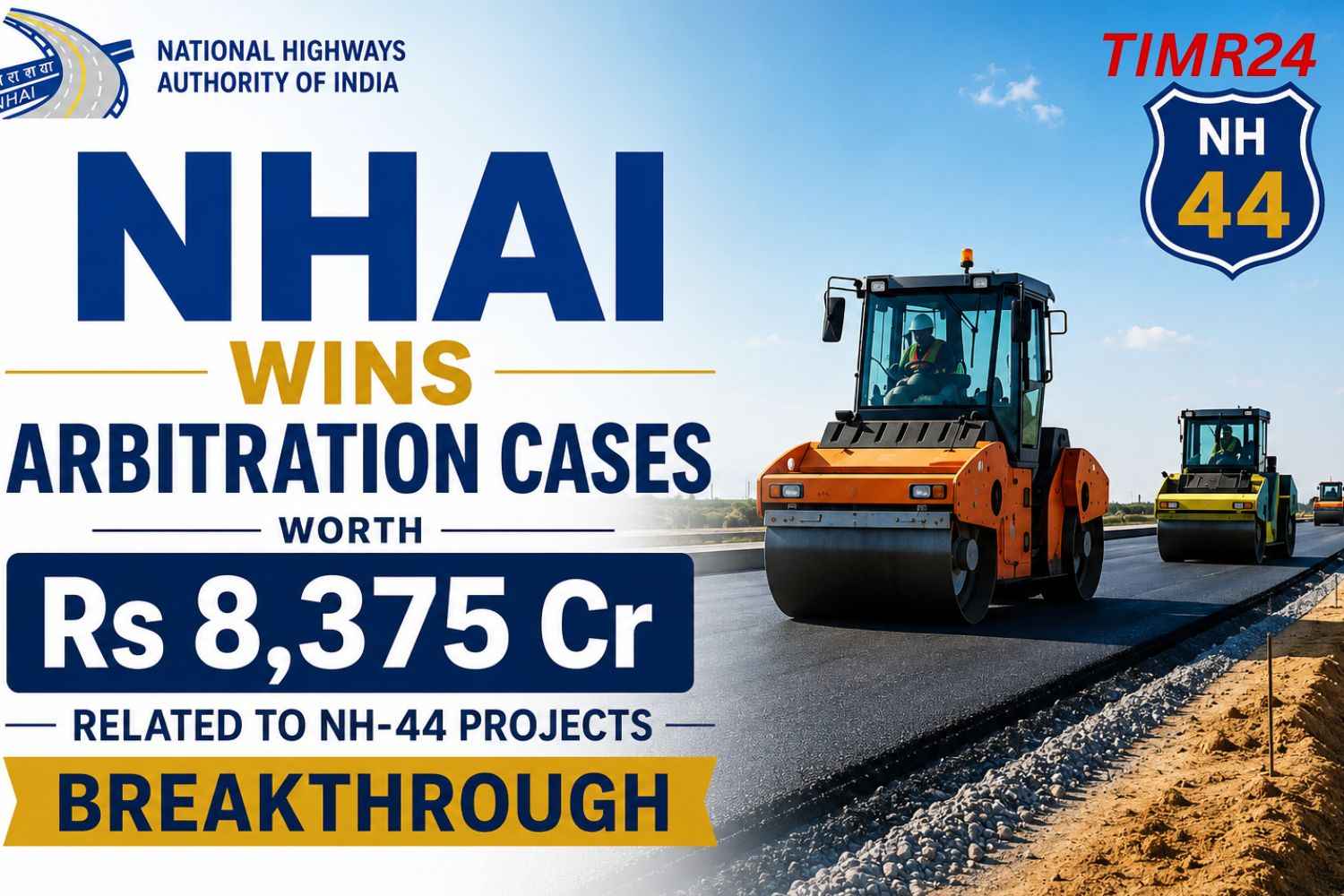















The National Highways Authority of India (NHAI) is deploying advanced sensors and data acquisition systems across 23 states to identify road defects like potholes and surface cracks on over 20,000 kilometers of National Highways. The data collected will help maintain an updated inventory of roads and assess pavement conditions, enabling evidence-based decisions on maintenance, asset management, and infrastructure planning. The vehicles will be equipped with 3D laser-based systems, GPS, and electronic instruments to accurately detect and document road defects. The initiative aims to improve commuters’ riding experience and enhance India’s road network safety.
The National Highways Authority of India (NHAI) has embarked on a transformative journey to enhance road safety and infrastructure efficiency by leveraging Artificial Intelligence (AI) and sensor technologies to detect highway defects nationwide. Traditionally, the maintenance of highways in India relied heavily on periodic manual inspections, which often failed to capture real-time wear and tear or developing structural issues. Manual methods, although effective to an extent, were labour-intensive, time-consuming, and prone to human error. The adoption of AI and sensor-based monitoring represents a paradigm shift in infrastructure management, promising real-time.
Detection of cracks, potholes, and other defects that can compromise road safety. By continuously monitoring road conditions, this system allows for predictive maintenance, enabling authorities to act before minor issues escalate into major problems, thus ensuring smoother and safer travel for millions of commuters across the country Artificial Intelligence in Highway Monitoring plays a pivotal role in this initiative. AI systems can analyze massive datasets collected from sensors, cameras, and drones to identify patterns indicative of road deterioration. Machine learning algorithms, trained on historical defect data, can detect anomalies that might not be visible to the human eye.
This level of precision allows maintenance teams to prioritize interventions based on severity, location, and traffic density. The integration of AI into highway maintenance aligns with India’s broader vision of smart infrastructure and digital governance, where data-driven decision-making improves efficiency, reduces costs, and ensures public safety. NHAI’s AI-powered system is expected to not only identify defects but also generate predictive insights, helping planners forecast which sections of highways may require attention in the near future. For more on AI applications in infrastructure, (AI in Transport). Sensor Technology and Real-Time Monitoring are central to this modernization.
Effort. Sensors installed on highways collect continuous data about road conditions, including structural stress, surface wear, temperature variations, and vibration patterns from vehicular movement. This real-time data is fed into AI systems, which analyze it instantly and flag any emerging defects. Unlike traditional inspections, which might miss early-stage cracks or localized damage, sensor-based monitoring ensures that even minor anomalies are detected early, reducing the risk of accidents. Additionally, the system can track changes over time, providing historical insights into how roads degrade under different conditions, which can inform better design and construction.
Standards in the future (Road Infrastructure) Predictive Maintenance and Road Safety are among the most significant advantages of this technological integration. With AI analyzing sensor data, maintenance teams can prioritize repairs strategically, focusing first on high-traffic areas or sections showing signs of rapid deterioration. Predictive maintenance reduces unplanned downtime and minimizes disruptions for commuters, while also lowering long-term maintenance costs. Furthermore, the timely repair of defects such as potholes or structural cracks can prevent accidents, protecting lives and vehicles. AI-driven insights also enable NHAI to implement preventive.
Measures, such as reinforcing vulnerable sections before they deteriorate, thereby extending the lifespan of highways and improving overall road quality. The combination of predictive analytics and real-time monitoring marks a critical step towards modernizing India’s highway infrastructure Integration with Geographic Information Systems (GIS) enhances the effectiveness of AI and sensor technologies. GIS mapping allows authorities to visualize defect locations accurately, plan maintenance routes efficiently, and allocate resources based on geographic priority. When linked with AI, GIS provides actionable insights, such as identifying stretches of highway.
Prone to recurring damage due to soil conditions, rainfall, or heavy traffic. This geospatial analysis supports evidence-based decision-making and ensures that interventions are targeted where they are most needed. Internal link suggestion: Link “highway maintenance teams GIS integration is increasingly recognized globally as a critical tool for infrastructure management, helping authorities make precise, cost-effective, and timely maintenance decisions Technological Collaboration and Innovation play an important role in this nationwide initiative. NHAI is partnering with technology firms, research institutions, and startups specializing in AI, sensors, and predictive.
Analytics to develop state-of-the-art systems tailored to Indian highways. Collaborative innovation ensures that the system can handle diverse challenges, from urban expressways to rural national highways. By testing and refining algorithms using pilot projects, NHAI aims to create a scalable solution capable of covering the entire national highway network efficiently. Countries like the United States, Germany, and Japan have demonstrated the benefits of AI-assisted highway monitoring, achieving substantial improvements in safety, operational efficiency, and cost reduction Environmental and Sustainability Benefits are often overlooked but crucial aspects of AI and sensor-based highway monitoring.
Timely maintenance reduces the need for extensive road reconstruction, which typically involves high energy consumption and carbon emissions from heavy machinery. By detecting and repairing defects early, NHAI ensures that infrastructure remains durable while minimizing environmental impact. Additionally, smoother highways reduce vehicular wear and tear, fuel consumption, and emissions, contributing to greener transportation. This approach aligns with India’s broader sustainability goals and demonstrates how technology can support both efficiency and environmental responsibility Public Engagement and Commuter Safety are enhanced through AI-driven highway.
Monitoring Real-time alerts about maintenance work, lane closures, or defect-prone areas can be communicated to drivers via mobile apps, navigation systems, and electronic signboards. This proactive communication improves road safety awareness and reduces the risk of accidents, ensuring that commuters can plan their travel more effectively. Moreover, the data collected can be shared with research institutions, urban planners, and policy makers, creating a knowledge base that supports further improvements in highway design and traffic management.
Q1. What technology will NHAI use to detect highway defects?
NHAI will implement Artificial Intelligence (AI) and advanced sensors to monitor highways for cracks, potholes, and structural issues.
Q2. How do sensors help in highway maintenance?
Sensors collect real-time data about road conditions, allowing AI systems to analyze and detect defects early for timely repair.
Q3. Will this technology reduce road accidents?
Yes, by detecting defects early, the technology helps prevent accidents caused by poor road conditions.
Q4. Is this system being used nationwide?
NHAI plans to implement this AI-sensor system across all national highways in India in a phased manner.
Q5. How does AI prioritize repairs?
AI uses predictive analytics based on defect severity and traffic density to prioritize maintenance activities efficiently.