


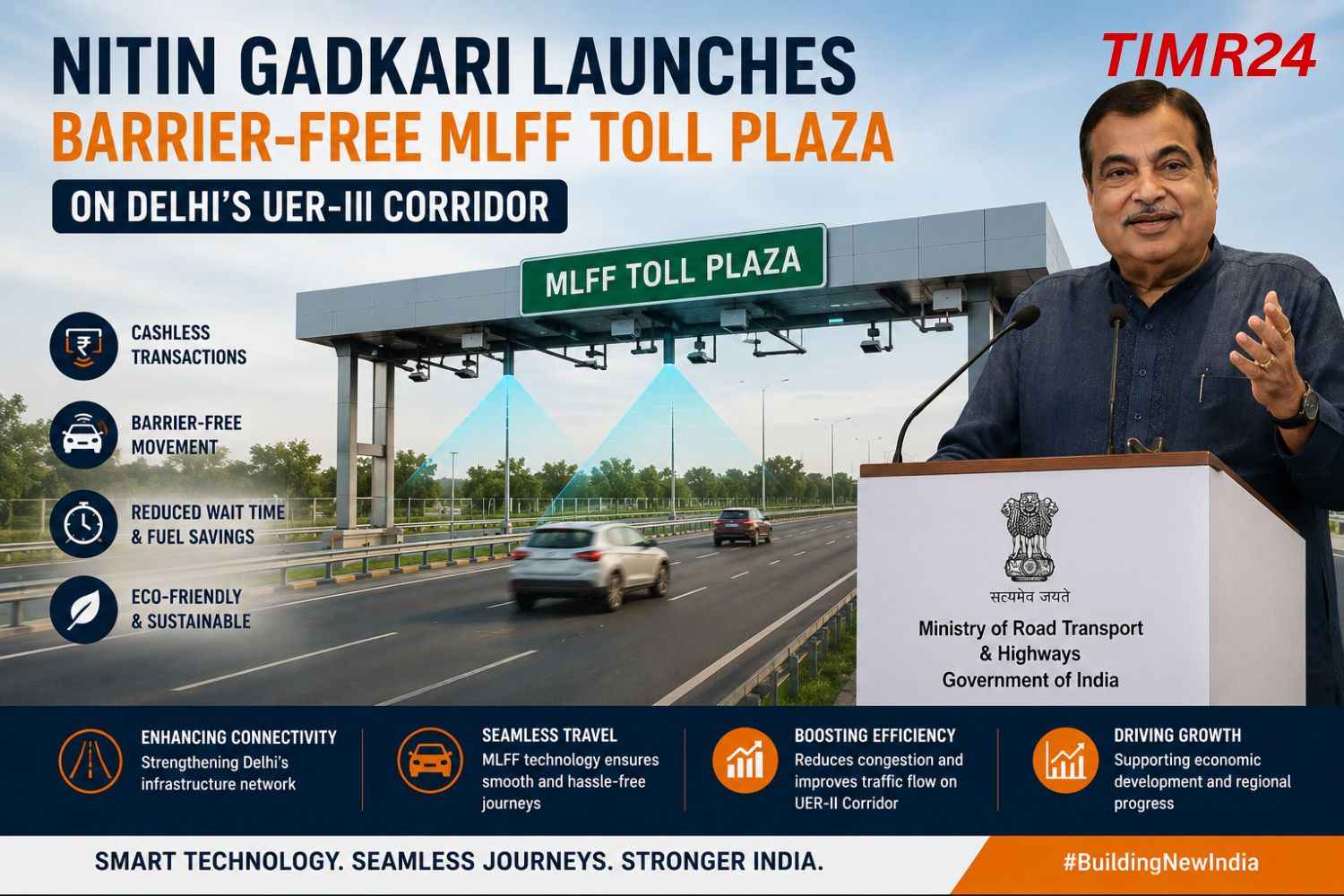






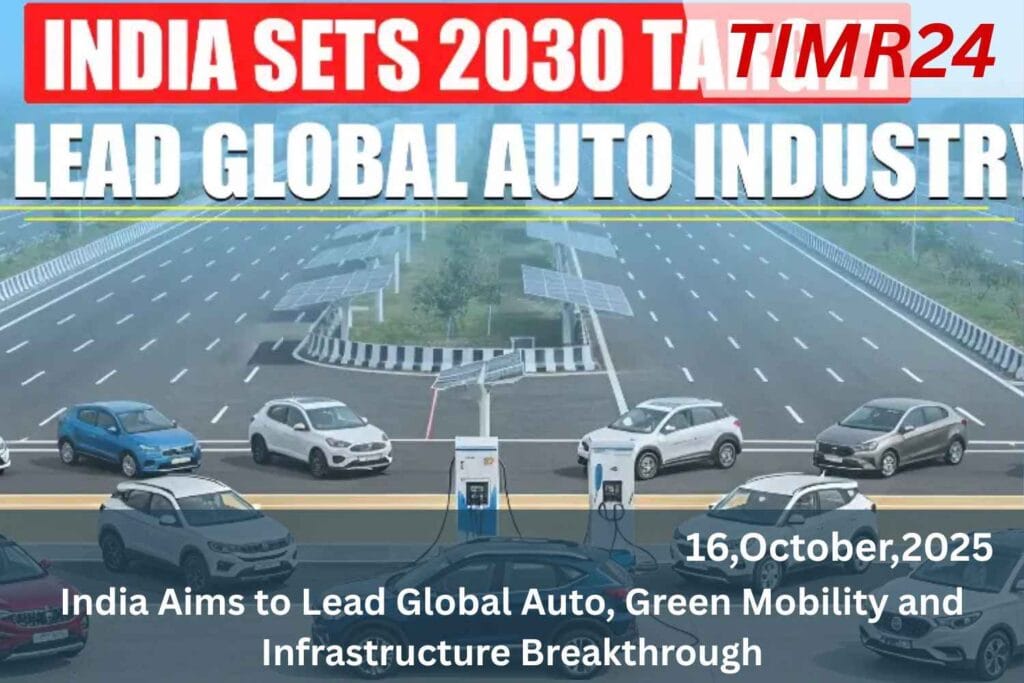
India’s Union Minister for Road Transport and Highways, Shri Nitin Gadkari, has unveiled a roadmap to position the country as a global leader in automobile manufacturing, green mobility, and infrastructure innovation. The country has surpassed Japan to become the third-largest automobile market globally, with the government aiming to reach the top position within five years. India’s two-wheeler sector exports over 50% of its production, underlining its growing global footprint. The government has provided Rs 600 crore in grants to fast-track hydrogen infrastructure and trials for new fuel options such as isobutanol and bio-bitumen. India’s road network has undergone transformative growth, with travel times drastically reduced.
India is at the cusp of a transformative era, redefining its global stature through rapid advancements in the automobile, green mobility, and infrastructure sectors. The government’s vision of becoming a world leader in clean transportation, electric vehicles (EVs), and modern infrastructure has placed the nation at the forefront of sustainable industrial growth. Over the past few years, policy initiatives, global partnerships, and technological innovations have converged to drive a powerful shift toward cleaner, smarter, and more resilient systems that align with both economic and environmental goals.
The Auto Sector Revolution
India’s automobile industry, once viewed as a manufacturing hub for affordable vehicles, is now emerging as a center for global innovation and green engineering. With major players like Tata Motors, Mahindra, Maruti Suzuki, and Hyundai expanding their EV portfolios, the country’s automotive landscape is witnessing a structural shift. The Production Linked Incentive (PLI) Scheme for Automobile and Auto Components has further accelerated this transformation by incentivizing advanced technology manufacturing and fostering investments in electric and hydrogen-powered mobility Global automakers have also identified India as a strategic hub for exports.
And R&D, given its robust talent pool, cost advantages, and growing domestic market. The rise of electric two-wheelers and compact EVs, supported by strong consumer interest and better charging infrastructure, demonstrates how India’s mobility transition is not just a policy move but a societal evolution. The collaboration between companies like Ola Electric, Athar Energy, and Hero MotoCorp is setting new benchmarks for innovation and affordability At the core of India’s mobility transition lies an unwavering commitment to green and sustainable transportation. The National Electric Mobility Mission Plan (NEMMP) and FAME-II (Faster Adoption and Manufacturing of Hybrid and Electric Vehicles).
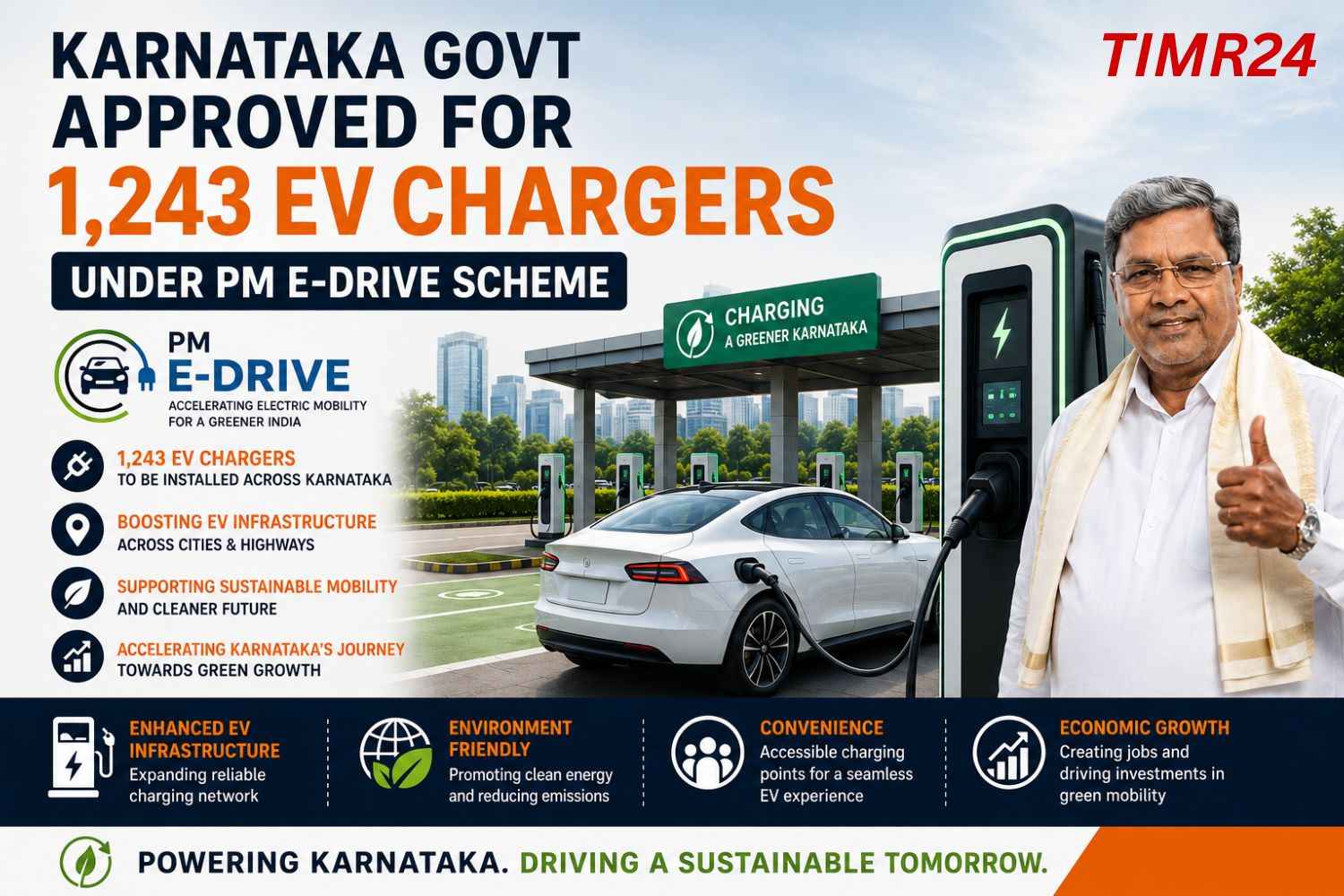
Scheme have played a crucial role in promoting EV adoption across urban and semi-urban centers. These initiatives aim to reduce dependence on fossil fuels, cut carbon emissions, and improve urban air quality The government’s focus on establishing EV charging corridors along highways and within smart cities underlines its strategy to ensure seamless connectivity and accessibility for electric vehicles. Moreover, India is investing in battery manufacturing and recycling ecosystems, with efforts to secure lithium and rare-earth materials through global partnerships in countries like Australia and Argentina. The introduction of hydrogen-powered vehicles and fuel.
Infrastructure Modernization and Connectivity Boost
Cell technology, driven by the National Green Hydrogen Mission, further broadens India’s clean mobility landscape Cities like Delhi, Mumbai, and Bengaluru are leading by example, integrating electric buses, shared mobility solutions, and metro connectivity into their urban (Manufacturing) transport systems. This not only improves energy efficiency but also supports India’s target of achieving net-zero emissions by 2070, in alignment with global climate goals. Parallel to the auto and mobility transformation, India’s infrastructure push stands as a pillar of long-term economic resilience. Massive investments under the National Infrastructure Pipeline (NIP) and the Gati Shakti.
Master Plan are reshaping connectivity across roads, railways, ports, and airports. The vision is to create an integrated multimodal network that enhances trade efficiency and reduces logistics costs to global standards The Bharatmala and Sagarmala projects, for instance, aim to connect remote regions, strengthen supply chains, and boost manufacturing competitiveness. Meanwhile, the expansion of dedicated freight corridors, urban metro systems, and regional rapid transit networks symbolizes a new era of infrastructural modernization. India’s focus on smart, digital, and sustainable infrastructure not only fuels economic growth but also supports the Make in India and Viksit Bharat 2047 missions.
Renewable Energy and Green Technology Integration
Digital infrastructure has become equally crucial, with initiatives such as the National Broadband Mission and 5G rollout enabling intelligent transport systems and connected mobility solutions. Smart cities like Pune, Ahmedabad, and Hyderabad are integrating IoT-based traffic management, renewable-powered street lighting, and EV-friendly zones, illustrating how urban infrastructure is adapting to the needs of a clean energy future. A major enabler of India’s green mobility and infrastructure drive is its aggressive push toward renewable energy integration. With solar and wind capacities expanding rapidly under the National Solar Mission, India is developing.
A strong foundation to power its transport and industrial sectors sustainably. The government’s ambition to reach 500 GW of renewable capacity by 2030 is closely tied to its mobility and infrastructure goals Green hydrogen is emerging as a key alternative fuel, with the National Green Hydrogen Mission attracting billions in investment for production and export. Partnerships between public and private sectors, such as between Reliance Industries, Adani Group, NTPC, and Indian Oil, are shaping a new era of clean industrial and transport fuel. This integration ensures that India’s automotive and infrastructure expansion does not come at the cost of the environment but rather strengthens its green credentials globally.
Global Leadership and Economic Implications
India’s strategic positioning in the G20 and its role in global climate negotiations highlight its growing influence in shaping international sustainability norms. By leading the conversation on affordable clean mobility, renewable energy access, and inclusive infrastructure development, India aims to be a model for emerging economies. The emphasis on public-private partnerships (PPP) and foreign investments has also catalysed new opportunities across manufacturing, logistics, and green technology sectors This leadership ambition is reinforced by India’s expanding export capacity. Automakers are increasingly exporting EVs and auto components to Africa.
The Middle East, and Southeast Asia. Simultaneously, the infrastructure boom has turned India into a major hub for construction technology, engineering services, and renewable power solutions. The combination of skilled labor, policy support, and sustainability focus positions India as a key global growth driver While progress is evident, the journey toward becoming a global leader in green mobility and infrastructure comes with challenges. High initial EV costs, limited charging infrastructure in rural areas, and dependence on imported critical minerals are some of the key hurdles. The government and industry players are addressing these issues through localized manufacturing.
The Vision for a Greener Tomorrow
Battery recycling programs, and global supply chain diversification Financial incentives, awareness campaigns, and R&D investments are further bridging the gap between ambition and adoption. As India continues to balance growth with sustainability, its long-term vision rests on inclusive development where clean energy, technology, and infrastructure together uplift communities and industries alike. India’s comprehensive approach linking automotive innovation, green energy, and world-class infrastructure represents not just economic ambition but an ideological shift toward sustainable progress. With global investors recognizing the country’s.
Potential and domestic players embracing clean technologies, India is poised to redefine how emerging nations can industrialize responsibly In essence, the journey from being a developing automotive market to becoming a global leader in sustainable mobility and infrastructure reflects India’s determination to harmonize (India’s EV) growth with green values. As the nation drives forward on this transformative path, it is not only reshaping its own future but also inspiring the world to follow a more sustainable route toward prosperity.
q1. What is India’s goal in the green mobility sector?
India aims to achieve 30% EV adoption by 2030, backed by strong manufacturing, infrastructure, and R&D policies.
q2. How does the FAME II scheme support India’s auto industry?
It provides incentives for EV manufacturing, charging stations, and consumer adoption to accelerate clean transportation.
q3. What role does infrastructure play in green mobility?
Smart cities, charging corridors, and eco-friendly transport systems ensure that sustainability becomes integral to daily commuting.
q4. Which companies are leading India’s EV revolution?
Tata Motors, Mahindra Electric, Ola Electric, and Athar Energy are among the top innovators shaping India’s EV landscape.
q5. How is India collaborating globally on sustainability?
India partners with Japan, Germany, and the US on R&D, green hydrogen, and technology transfers for cleaner growth.