




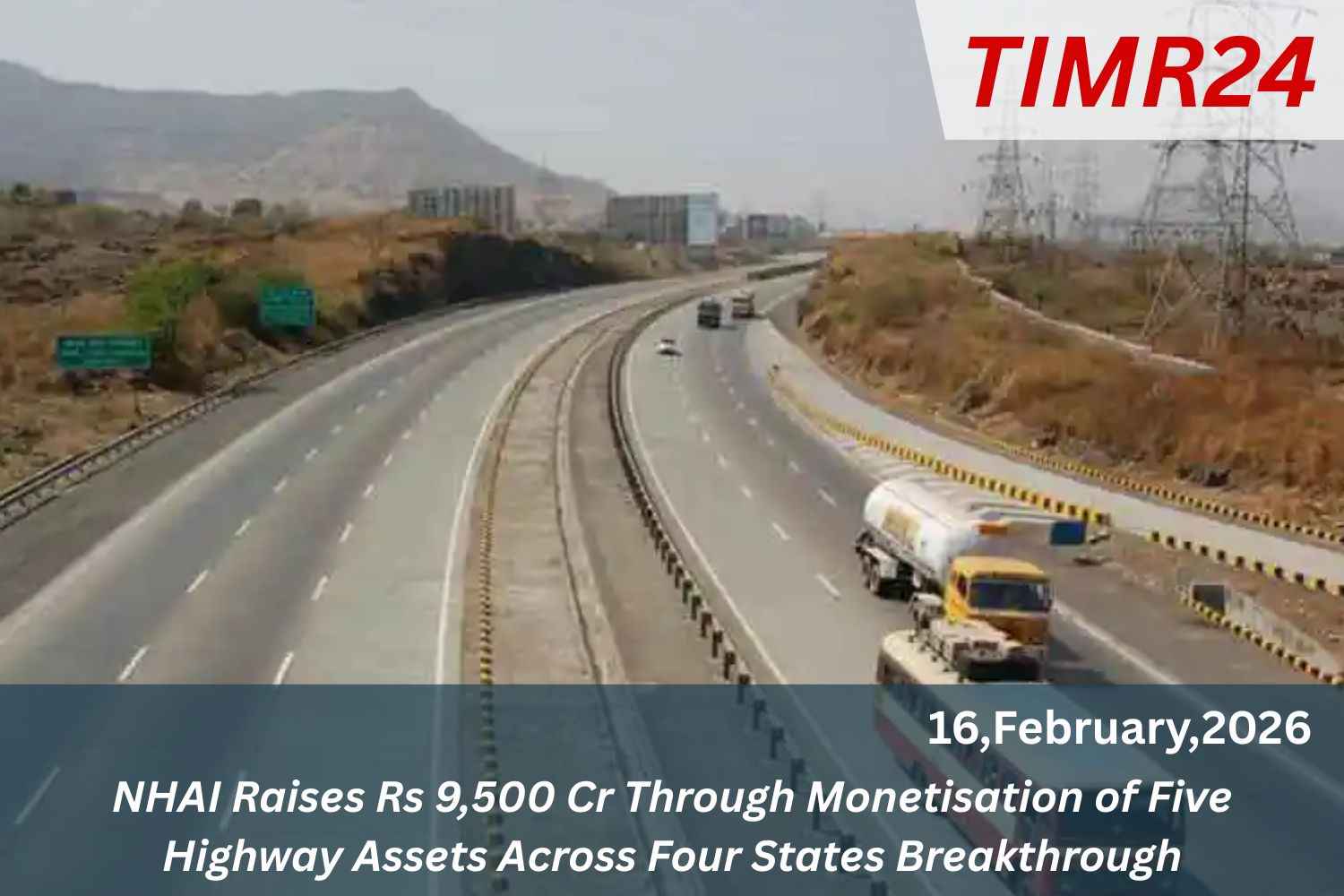


The Kuki-Zo Council has decided to open National Highway-02 for free movement of commuters and essential goods, following meetings with the Ministry of Home Affairs and KZC delegation. The decision is backed by full cooperation with Indian security forces. The reopening of National Highway 02 (NH-02) by the Kuki-Zo Council, following extensive talks with the Ministry of Home Affairs (MHA), has brought a wave of relief to communities in Manipur and beyond. For months, the highway remained blocked due to prolonged ethnic tensions, disrupting not only daily supplies but also testing the resilience of the people who depended on it. The fresh decision to allow free.
Movement marks a turning point for regional stability, peacebuilding efforts, and economic revival in the Northeast. This development is not just about unblocking a road but about opening the way for trust, dialogue, and cooperation between communities that had long been divided The importance of NH-02 in Manipur cannot be overstated. Stretching across key districts like Imphal, Bangkapi, and Senapati, the highway connects Manipur to Nagaland and other Northeastern states, making it a vital artery of trade, transport, and survival. Its closure earlier in 2023 left traders, students, and families stranded in uncertainty, with the region heavily relying on longer and costlier.
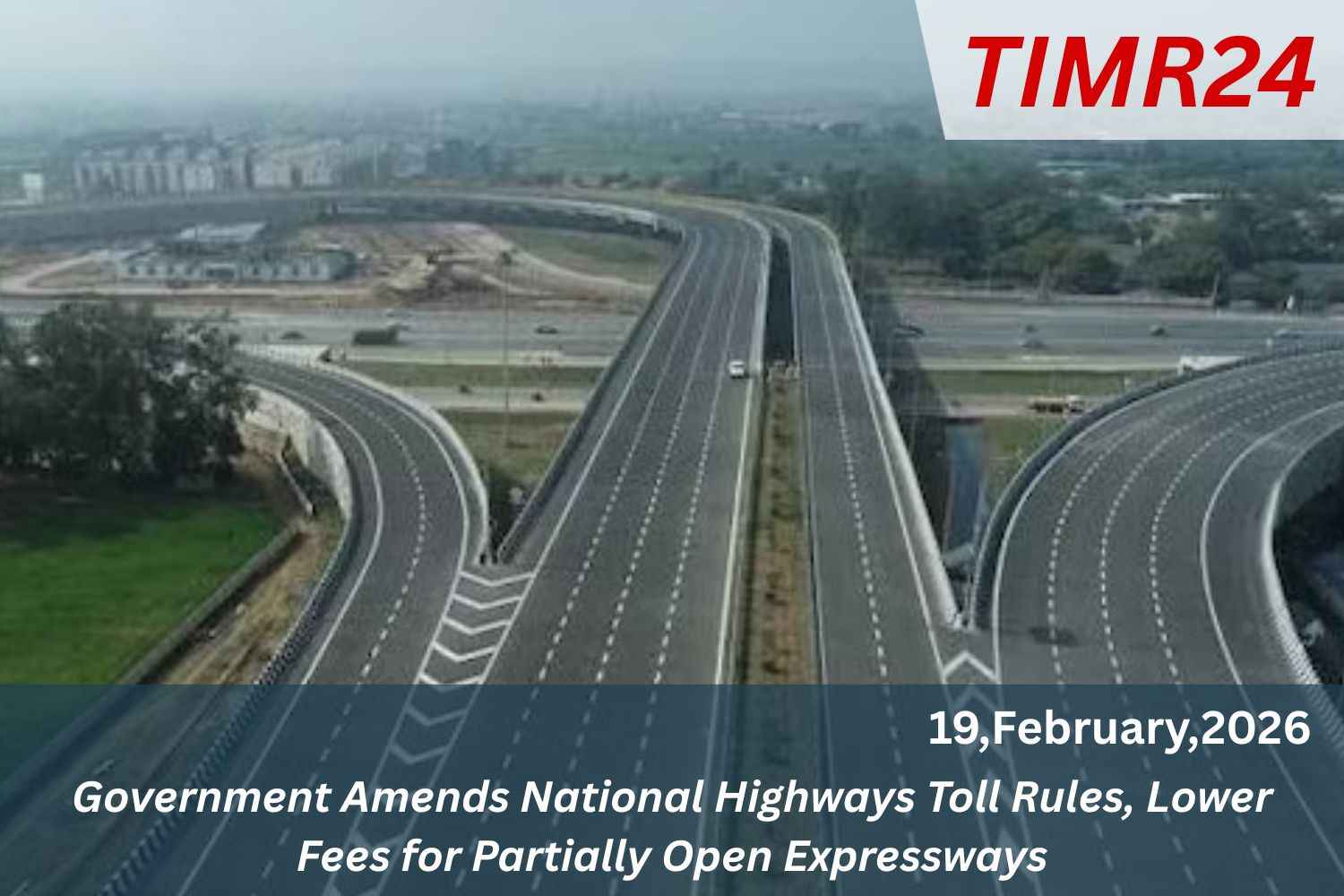
Alternative routes. Essential commodities like rice, medicines, and fuel had become scarce, driving up prices and creating resentment among the people. The reopening of NH-02, therefore, represents a lifeline being restored. According to the (Road Transport and Highways), such highways are not merely transport routes but strategic enablers of national integration, economic growth, and security.
The role of the Ministry of Home Affairs in facilitating this breakthrough has been critical. After months of unrest, the MHA initiated dialogues with both the Kuki-Zo Council and other community representatives, ensuring that grievances were heard and possible compromises found. Reports suggest that the talks revolved around security guarantees, community autonomy, and rebuilding confidence between ethnic groups. By stepping into the process, the MHA ensured that the matter was not treated as a law-and-order issue alone but as a humanitarian and developmental challenge. This approach reflects India’s broader strategy of combining security with dialogue to.
Manage sensitive regions, something that has been discussed extensively in independent think tanks For the people of Manipur, the reopening has already started changing daily life. Trucks loaded with essentials are once again plying freely, shops are reporting fresh supplies, and transport fares have started to normalize. Local traders in Imphal have noted that vegetables and fruits from Nagaland and Assam are now arriving without hindrance, reducing market shortages. Families that earlier faced difficulties in sending their children to schools and colleges outside Manipur are also finding the highway open for movement. The reopening has become symbolic of hope, not just a matter.
Economics, as it has begun to rebuild the idea that communities can coexist if channels of dialogue remain open. Economically, NH-02 acts as a backbone for trade and logistics. Its closure had inflated costs, pushed small businesses to the brink, and limited the scope of inter-state trade. Now that movement is restored, local entrepreneurs expect a gradual revival of business confidence. In the broader context of India’s Act East Policy, which focuses on strengthening connectivity between the Northeast and Southeast Asia, NH-02 plays a critical role. A functional and secure highway will attract investment, enable easier export of agricultural and handicraft products.
And boost tourism which also highlights how infrastructural innovation can strengthen the Northeast’s role in national development The security dimension, however, cannot be ignored. Although free passage is now allowed, central forces and state police remain on alert to ensure that commuters feel safe. Monitoring checkpoints have been established to prevent sudden flare-ups of violence or unlawful blockades. The success of this reopening will depend heavily on whether these mechanisms can prevent future disruptions. Similar to (MoRTH’s) where multiple stakeholders were involved in finding long-term transport solutions, the NH-02 initiative.
Shows that collaboration between the government and local councils is essential for sustainable peace Beyond logistics and governance, the reopening has cultural and social significance. Highways in the Northeast are more than physical roads; they are lifelines that connect communities, enable festivals to be celebrated together, and keep traditions alive across borders. The closure of NH-02 had deepened divisions, making it harder for communities to interact and share their cultural richness. The act of reopening is, therefore, a symbolic return to dialogue and cultural exchange. In a state like Manipur, where ethnic identities play a crucial role, such gestures of openness help.
Soften hardened attitudes where regional development was highlighted as a way to bring diverse communities together The reopening of NH-02 also shines a light on the broader issue of infrastructure politics in conflict-prone regions. Roads and bridges are often the first casualties during unrest, and their reopening is seen as a political as well as humanitarian victory. The decision of the Kuki-Zo Council to allow free movement after MHA talks reflects an understanding that development cannot happen in isolation. It demonstrates that communities are willing to compromise when they see tangible benefits in peace and dialogue. The challenge ahead will be to maintain.
This balance, ensuring that political negotiations do not collapse under new tensions Observers point out that such breakthroughs must be institutionalized rather than treated as temporary solutions. For instance, creating joint monitoring committees involving civil society, security forces, and local councils could help prevent future blockades. Investment in local infrastructure such as rest stops, market hubs, and safety facilities along NH-02 would further encourage regular usage and reduce vulnerabilities. The long-term success of this reopening, therefore, will depend on whether both the government and local communities can create a system where trust is continuously built.
From a national perspective, this event sets an important precedent. If the reopening of NH-02 remains sustainable, it can serve as a model for resolving other highway disputes in the Northeast and even in other border regions of India. By combining dialogue, security, and developmental assurances, the government has demonstrated a pathway for dealing with complex, multi-ethnic challenges. It may also open opportunities for greater participation of the Northeast in India’s economic expansion, making the region an active contributor rather than a peripheral player.
In conclusion, the Kuki-Zo Council’s decision to reopen NH-02 for free movement after MHA talks is not simply about unblocking a road it is about healing divisions, restoring hope, and moving toward a more inclusive and connected future for Manipur. By reopening this vital lifeline, communities are showing that peace is possible when dialogue is prioritized over division. Whether this effort leads to long-term reconciliation will depend on continuous engagement, inclusive policies, and trust-building measures. But for now, the people of Manipur can once again move, trade, and live with fewer restrictions, and that is a victory worth acknowledging.
Q1. Why was NH-02 closed earlier in Manipur?
NH-02 was blocked due to ethnic tensions and security concerns, affecting connectivity and supplies.
Q2. What role did the Ministry of Home Affairs (MHA) play?
MHA mediated peace talks with the Kuki-Zo Council, leading to the reopening of NH-02.
Q3. How will reopening NH-02 help the local population?
It restores supply chains, reduces transport costs, and strengthens community ties.
Q4. Is NH-02 safe for commuters now?
Yes, movement is allowed freely under local council and central monitoring.
Q5. Will this decision impact long-term peace in Manipur?
The reopening marks a step towards trust-building and long-term reconciliation.