

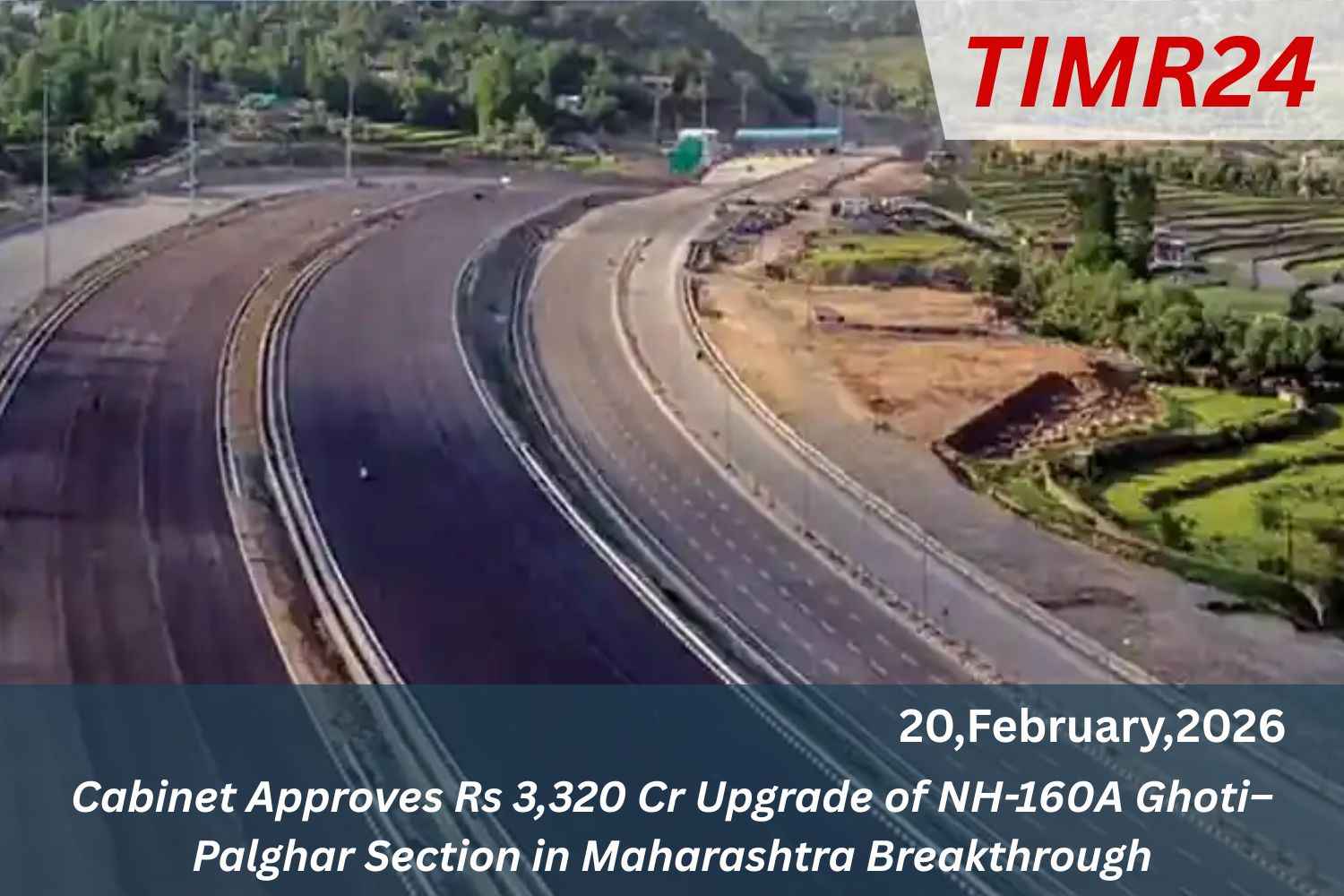






The Bihar government has approved infrastructure projects worth ₹5,474 crore, including a ₹589 crore three-lane PSC box cell bridge over the Gandak river in Muzaffarpur. The bridge will reduce travel time and fuel consumption for commuters. Other key approvals include the revised JP Ganga Path in Patna, a 20.5 km stretch from Digha to Didarganj, and the upgradation of State Highway-95. Bihar has stepped into a new phase of growth with the state government approving infrastructure projects worth ₹5,474 crore, a move that is expected to bring far-reaching changes in connectivity, economic opportunities, and regional balance.
The headline project in this wave of development is the construction of a new Gandak River Bridge in Muzaffarpur, a region already known for its cultural heritage, vibrant markets, and agricultural strength. By emphasizing large-scale projects like this, Bihar is showcasing its intent to accelerate modernization and integrate more closely with India’s national development frameworks. One of the biggest hurdles Bihar has faced historically is uneven infrastructure, especially in road and bridge connectivity across rivers. The Gandak River, while vital for agriculture and water resources, has often acted as a natural barrier to smooth transport. The upcoming Gandak River Bridge aims to overcome this challenge, offering a direct link between northern and southern districts.
Economic Impact and Trade Boost
Travelers from Muzaffarpur, Gopalganj, Motahari, and adjoining areas will experience reduced travel time to Patna, the state capital, and to other major highways, which will directly feed into broader networks under the PM GatiShakti plan. This integration is crucial as Bihar positions itself in the logistics chain connecting eastern India with northern and central corridors Improved infrastructure is (Road & Rail Projects) not just about building roads and bridges it is about creating lifelines for trade. Muzaffarpur is world-famous for its Shahi Litchi, a product that enjoys GI (Geographical Indication) tag status, but farmers and traders have long faced challenges in reaching national and international.
Markets quickly. With the Gandak River Bridge and upgraded highway networks, transporting perishable goods like litchis, vegetables, and dairy products will become faster and more reliable. This reduces wastage, enhances profitability, and attracts private sector logistics investments. It also complements India’s larger vision of boosting Agri-export corridors, something already seen in policies connected The scale of these projects ensures widespread employment opportunities, both during the construction phase and in the post-completion economy. Local contractors, laborers, engineers, and suppliers will benefit directly from the capital expenditure of ₹5,474 crore.
Once operational, better roads and bridges encourage small businesses, retail markets, and service industries to expand. In this way, infrastructure becomes a multiplier of growth one job in construction often supports several more across transport, hospitality, and supply chains. Bihar’s focus on infra expansion mirrors national moves like which not only tackle connectivity but also promote sustainable growth and job creation in emerging sectors.
Urban and Rural Integration
The Gandak River Bridge is not only an engineering marvel in the making but also a symbol of balance between rural and urban development. While Patna and other urban centers will see greater inflow of goods and people, rural hinterlands around Muzaffarpur, Gopalganj, and West Champaran will benefit from easier access to markets, schools, and hospitals. This reduces pressure on overcrowded cities by creating new growth pockets in semi-urban and rural zones. Such integration is also expected to slow down distress migration, as better facilities at the district level provide people with reasons to stay closer to their roots. This reflects similar efforts highlighted in (MoRTH’s) where the focus is on balanced growth.
Bihar’s approval of these projects is not happening in isolation. It ties directly with national-level schemes like the Bharatmala Pariyojana and the PM GatiShakti Master Plan, both aimed at developing multimodal logistics parks and reducing bottlenecks in freight and passenger movement. With the Gandak River Bridge forming a critical node, Bihar will be better connected to eastern ports, northern industrial belts, and central trade routes. The synergy between state and national planning creates a stronger platform for long-term growth, ensuring Bihar is not left behind in India’s overall march towards a $5 trillion economy. For readers interested in national infrastructure strategies, references like provide detailed insights.
Environmental and Social Considerations
Modern infrastructure projects are no longer evaluated purely on economic returns. Environmental balance and social impact play a major role. The Gandak River Bridge project has provisions for sustainable construction practices, minimizing ecological disruption to river flow and local biodiversity. Additionally, rehabilitation and resettlement plans ensure minimal displacement of communities. This balanced approach mirrors the broader global movement towards green infrastructure, aligning with India’s emphasis on climate-resilient construction and energy-efficient designs. Initiatives like further emphasize the role of sustainability in shaping infrastructure policy.
When looked at as a whole, the ₹5,474 crore infrastructure push is a bold step forward for Bihar. The Gandak River Bridge in Muzaffarpur stands as the centrepiece, but the ripple effects will touch multiple districts and sectors. From improved connectivity and stronger trade networks to new jobs and reduced migration pressures, the benefits extend well beyond transportation. Bihar, often considered a late starter in infrastructure compared to some other states, is now showing clear intent to bridge historical gaps. By aligning with national programs, focusing on rural inclusion, and prioritizing economic multipliers, the state is carving out a new identity one where growth is not confined to urban centers but shared widely.
In the coming years, as construction advances and projects near completion, residents and businesses in Bihar will begin to see tangible changes in their daily lives. Roads will shorten journeys, bridges will connect opportunities, and investments will create a more vibrant economy. The Gandak River Bridge may be just one structure, but symbolically, it represents Bihar’s crossing into a new era of development and progress.
Q1. What is the total worth of infrastructure projects approved by Bihar?
The Bihar government has approved projects worth ₹5,474 crore.
Q2. Which major project is included in the approval?
A new Gandak River Bridge in Muzaffarpur is the highlight project.
Q3. How will the Gandak River Bridge benefit Bihar?
It will improve road connectivity, reduce travel time, and strengthen trade routes.
Q4. Which districts will see major development under these projects?
Muzaffarpur, Patna, Gopalganj, and neighbouring districts will benefit.
Q5. How will these projects impact Bihar’s economy?
They will generate jobs, attract investments, and enhance regional growth.