







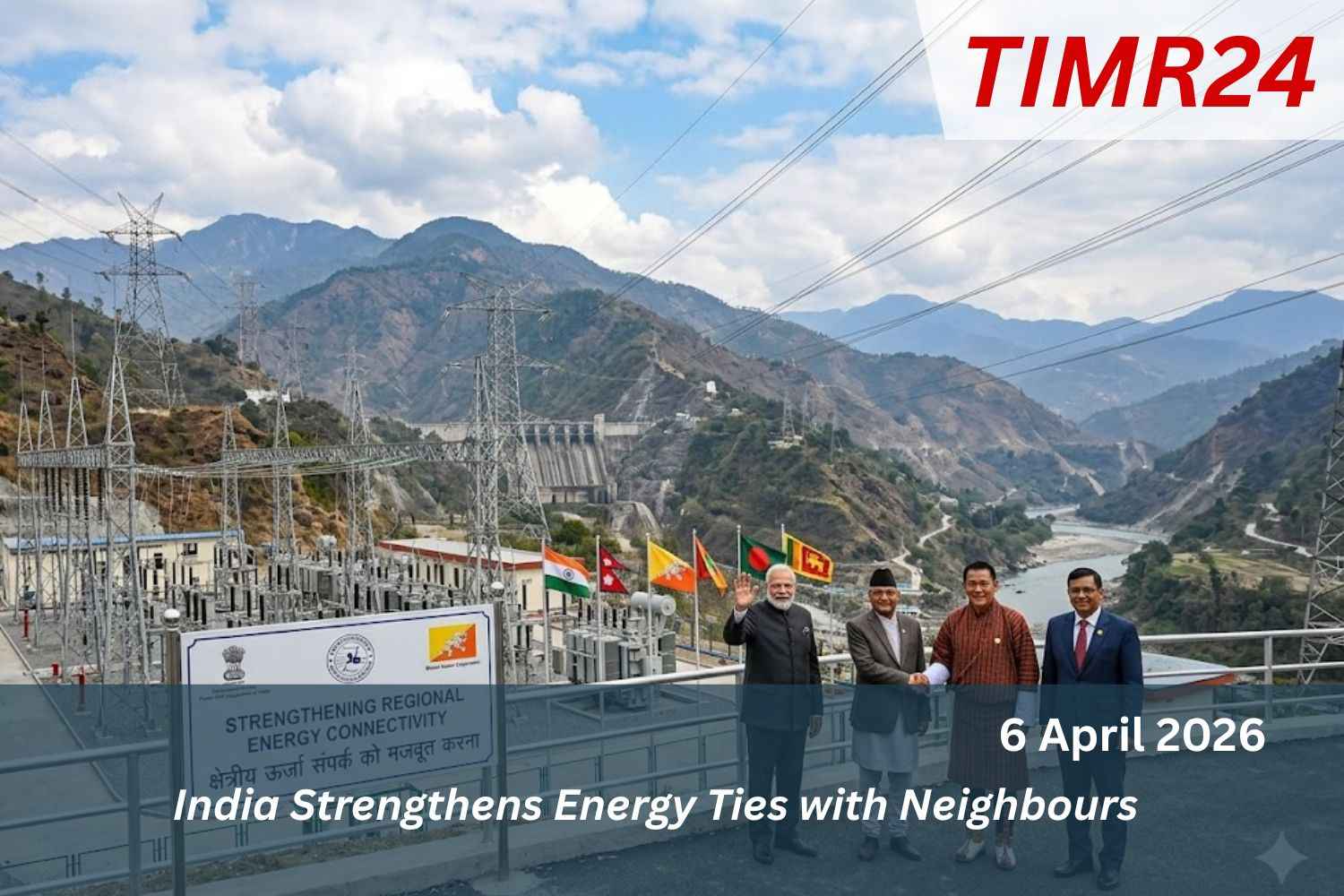









India’s PM Narendra Modi has emphasized Japan’s role as a vital partner in India’s growth, with Japanese companies investing over USD 40 billion in the country. He cited India’s political stability, economic strength, transparency, and policy predictability as key factors. Modi outlined five key areas for deeper India-Japan collaboration: manufacturing, technology & innovation, green energy, infrastructure, and skill development. He called India the springboard for Japanese businesses to the Global South and urged companies to expand their presence. The India-Japan partnership is strategic and smart, capable of shaping the Asian Century with stability, growth, and shared prosperity.
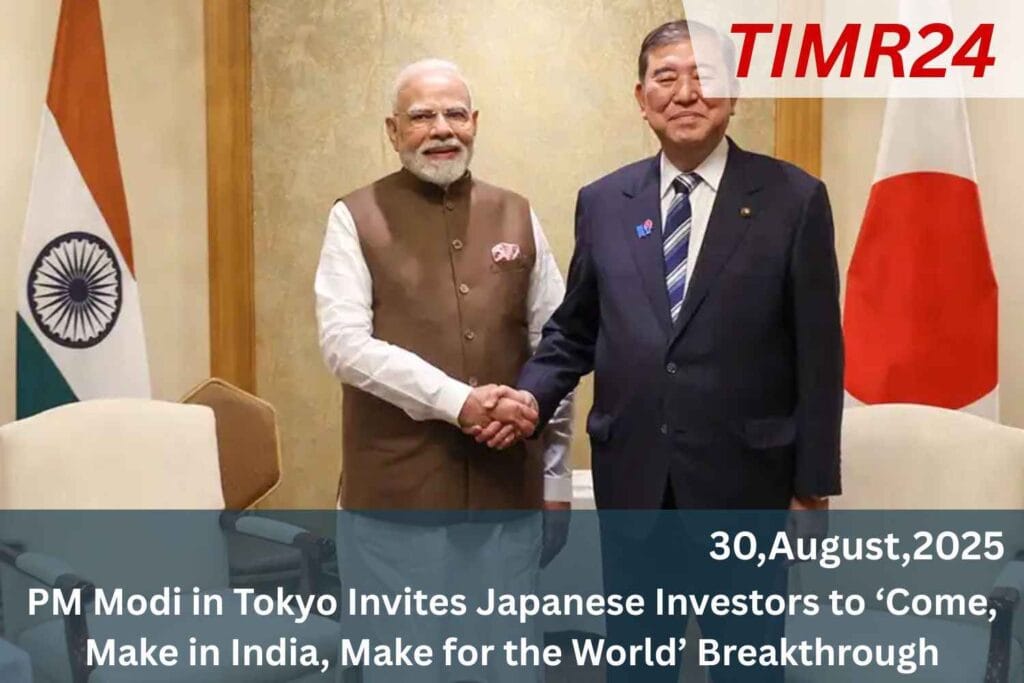
During his official visit to Tokyo, Prime Minister Narendra Modi extended a compelling invitation to Japanese investors to actively participate in India’s ambitious economic vision, encapsulated in the “Make in India, Make for the World” initiative. Addressing an audience (Make in India) of business leaders, policymakers, and industry experts, PM Modi emphasized that India represents not only a vibrant domestic market but also a strategic manufacturing hub capable of serving global demand. He highlighted India’s rapidly growing economy, demographic advantages, and a workforce increasingly skilled in modern technologies. The Prime Minister underscored that Japan’s expertise in innovation, precision manufacturing, and technology integration aligns perfectly with India’s.
Aspirations to become a global industrial powerhouse. This collaboration promises to create synergies between Japanese efficiency and Indian scale, fostering a mutually beneficial partnership that can reshape global supply chains. India’s economic landscape has undergone transformative reforms over the past decade, aimed at creating a transparent, business-friendly environment that attracts foreign direct investment (FDI). Initiatives like have simplified regulatory processes, streamlined approvals, and provided investors with clear pathways to set up operations efficiently. PM Modi highlighted that these reforms, coupled with sector-specific incentives and infrastructure improvements, make India an ideal destination for companies seeking to expand their global footprint.
“Make for the World strategy”
Japanese firms, known for their technological innovation and high-quality manufacturing standards, are particularly well-positioned to leverage India’s evolving ecosystem. By establishing production bases in India, they can benefit from cost efficiencies, skilled labor, and the country’s access to international markets One of the central themes of the Prime Minister’s address was the global orientation of the “Make for the World” strategy. Unlike conventional industrial policies focused solely on domestic consumption, this approach encourages companies to manufacture in India with the intent of exporting globally. PM Modi stressed that Indian manufacturing is ready to integrate with international supply chains, providing reliable quality and competitive production capabilities.
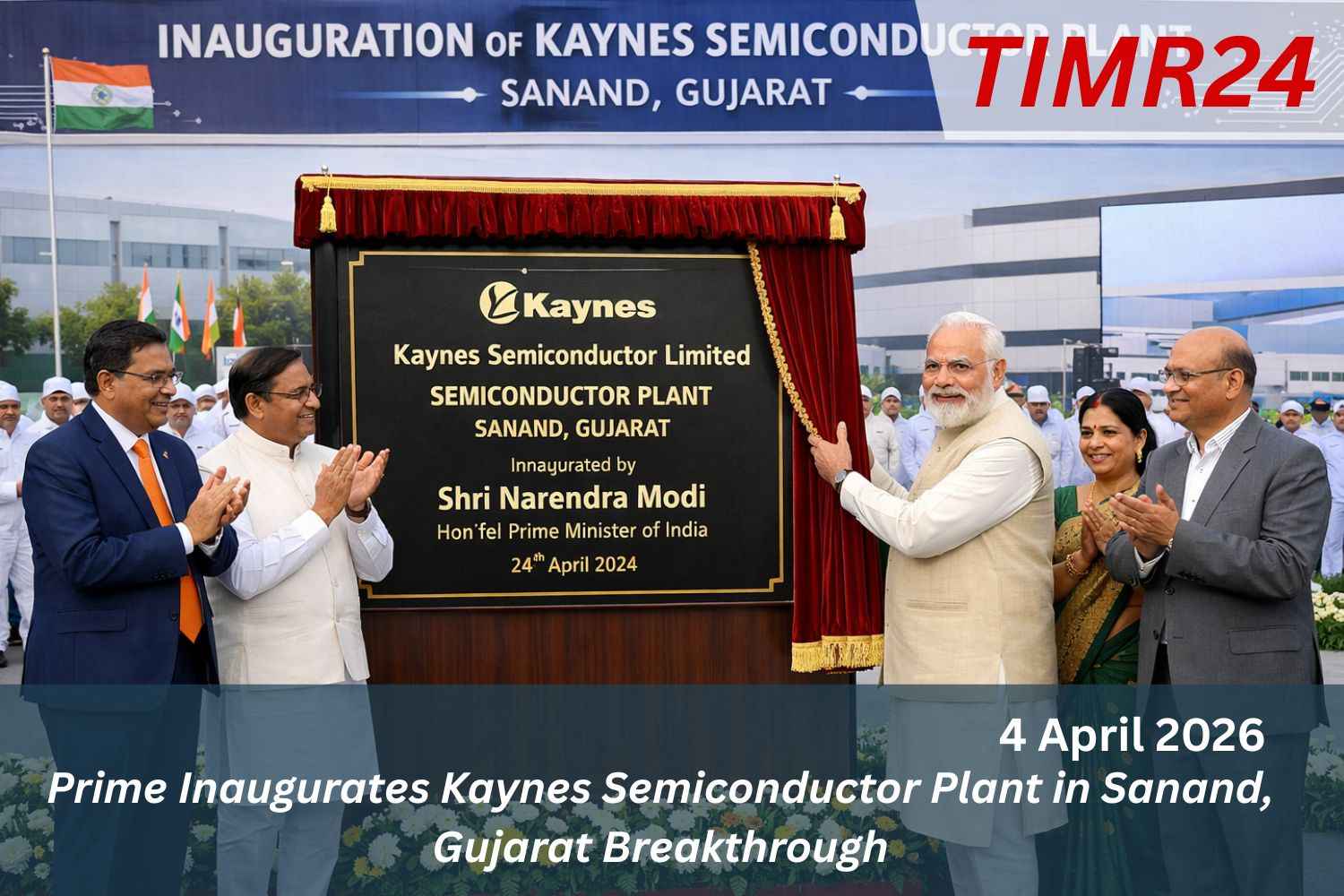
This vision resonates strongly with Japanese investors, as it offers an opportunity to diversify production and reduce dependency on single-source locations for critical components. The Prime Minister also drew attention to sectors such as automobile manufacturing, electronics, renewable energy, smart infrastructure, and semiconductors, highlighting areas where Japanese innovation can create high-value outcomes when combined with India’s growing domestic capabilities Sustainability and skill development were key aspects of the discussions during the Tokyo visit. PM Modi emphasized that modern manufacturing in India is not just about scale but also about responsible growth. Programs like ensure that the workforce is equipped with technical, digital, and managerial.
Skills needed to operate advanced industrial setups. This is particularly relevant for Japanese companies accustomed to precision engineering and automation. By collaborating on skill-building initiatives, Japanese firms can help elevate India’s industrial competencies, creating a pool of talent ready to meet global standards. Furthermore, PM Modi highlighted the importance of sustainable practices, including renewable energy integration, energy efficiency, and waste reduction, demonstrating India’s commitment to environmentally responsible manufacturing. The Prime Minister’s Tokyo visit also reinforced the depth of India-Japan relations. Historically, the two nations have shared strong economic and technological.
manufacturing Japanese companies
Ties, and recent years have seen enhanced cooperation in areas such as infrastructure, urban development, and high-tech manufacturing. Japanese companies have been long-standing investors in India, particularly in the automobile, electronics, and transportation sectors. By extending a personal invitation, PM Modi aimed to strengthen these connections and encourage new partnerships. Collaborative projects in smart cities, public transportation systems, and clean energy solutions were highlighted as areas with significant growth potential. India’s focus on innovation-led industrialization aligns with Japan’s expertise, presenting opportunities for joint ventures, technology transfer, and research and development collaborations.
Another significant point discussed during the Tokyo engagement was India’s strategic global positioning. The country’s location, bridging East and West, offers unparalleled advantages for companies looking to access diverse international markets. PM Modi emphasized that India can serve as a regional hub for Japanese firms targeting not only the South Asian market but also the Middle East, Africa, and Southeast Asia. Infrastructure development, including industrial corridors, smart ports, and logistics networks, further enhances India’s attractiveness as a manufacturing and export base. The Prime Minister also cited the government’s ongoing efforts to improve connectivity, digital infrastructure, and regulatory clarity, reinforcing India’s readiness to host large-scale industrial operations.
The visit underscored Japan’s role as a key partner in India’s journey toward becoming a global manufacturing leader. Japanese companies’ experience in automation, robotics, and lean manufacturing complements India’s growing capabilities in human capital and market scale. PM Modi encouraged businesses to explore opportunities in electric vehicles, battery manufacturing, semiconductor fabrication, renewable energy equipment, and advanced electronics, emphasizing that these sectors are central to India’s vision for a modern, technology-driven economy. By combining Japanese precision with Indian efficiency and scale, these collaborations can create products that meet global standards, contributing to both countries’ economic growth.
Japanese companies to establish
Prime Minister Modi also addressed the importance of bilateral trade facilitation and policy support. He emphasized that India’s regulatory environment has been structured to reduce procedural hurdles, ensure transparency, and provide incentives for investment. Programs like offer sector-specific guidelines, funding opportunities, and infrastructure support, making it easier for Japanese companies to establish and expand operations. The government is also committed to fostering innovation ecosystems, supporting startups, and promoting research and development initiatives that encourage technological collaboration. External resources like the provide detailed insights into India’s investment opportunities.
Helping businesses navigate the landscape and identify strategic opportunities PM Modi’s Tokyo visit was not merely a diplomatic engagement but a strategic appeal to Japanese investors to actively participate in India’s manufacturing transformation. The “Come, Make in India, Make for the World” message reflects India’s aspiration to integrate with global supply chains, foster innovation-led industrial growth, and promote sustainable, high-quality manufacturing. By leveraging Japan’s technological prowess and India’s demographic and market advantages, the partnership promises to create employment, boost exports, and strengthen economic ties. The visit also emphasized India’s commitment to skill development, sustainability, and transparent governance, signaling a robust and supportive environment for international investors.
Q1. What is the “Make in India, Make for the World” initiative?
It’s a program to promote India as a global manufacturing hub where products made in India can serve both domestic and international markets.
Q2. Why is Japan a key partner for India’s manufacturing growth?
Japan’s technological expertise, innovation, and industrial experience complement India’s workforce and market potential, creating strong bilateral growth opportunities.
Q3. Which sectors are highlighted for Japanese investment in India?
Key sectors include automobile, electronics, renewable energy, smart infrastructure, electric vehicles, and semiconductors.
Q4. How does India support foreign investors?
Through Ease of Doing Business reforms, FDI-friendly policies, investment incentives, and skill development programs.
Q5. Where can Japanese investors find more information?
They can visit Ministry of Commerce and Industry, India