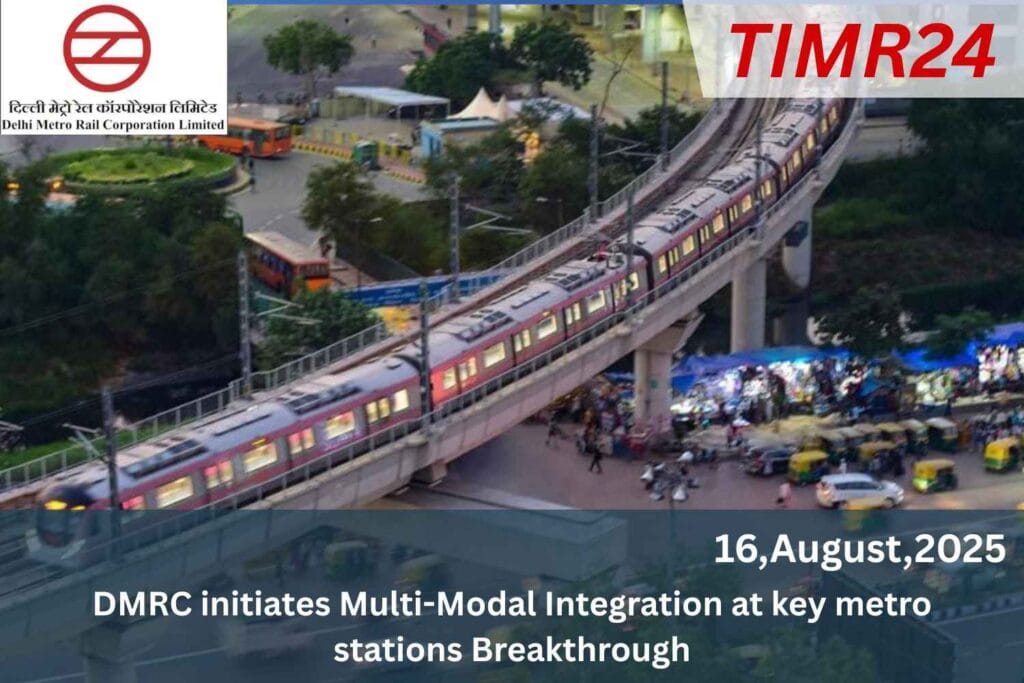
The Delhi Metro Rail Corporation (DMRC) is planning to transform Chandni Chowk, Interlock, and Laxmi Nagar metro stations into Multi-Modal Integration (MMI), aiming to reduce congestion by creating specialized lanes for bicycles, e-rickshaws, and autorickshaws, improving last-mile connectivity. The Delhi Metro Rail Corporation (DMRC) has embarked on a transformative effort to reimagine urban mobility by weaving a seamless multi-modal integration (MMI) network around its metro stations. This visionary project is redefining how commuters transition between metro trains and feeder services such as buses, e-rickshaws, cycle stands, and taxis—all within a conveniently walkable radius. At the heart of the initiative is the reconfiguration of the 300-metre radius surrounding key stations.
Through tendered redevelopment major hubs like Chandni Chowk, Inderlok, and Laxmi Nagar are being reinvented with dedicated lanes for cycles and e-rickshaws, expanded two-wheeler parking, drop-off bays, and restructured public utilities. At Chandni Chowk, two-wheeler stands and a refurbished toilet have been planned; Inderlok will gain parking space for 100 two-wheelers and 20 autorickshaws plus designated e-rickshaw lanes; while Laxmi Nagar is slated for cycle lanes, bike-sharing docks, and IPT intermediate public transport bays all to alleviate congestion and boost last-mile convenience This effort isn’t limited to a few stations. DMRC has already completed MMI development at 61 stations (primarily in Phase-3, along with Kashmiri Gate and Chhatarpur) and plans to extend
This infrastructure to a total of 96 stations across network. A fresh phase of tendering aims to convert 10 more stations—including Janakpuri East, Utama Nagar West, Dwarka Mor, Nehru Place, Kawada, Shahdara, Shastri Park, Shastri Nagar, Jahangir, and Karol Bagh into full-fledged hubs with wider footpaths, segregated electric vehicle charging zones, cycle tracks, and disabled-friendly facilities, at an estimated cost ₹24.28 crore (Delhi Metro) Behind this ambitious urban upgrade lies a critical layer of inter-agency collaboration. Recognizing that effective MMI deployment hinges on cohesive action, the Lieutenant-Governor instructed the formation of a Project Management Unit (PMU) under the Transport Commissioner.
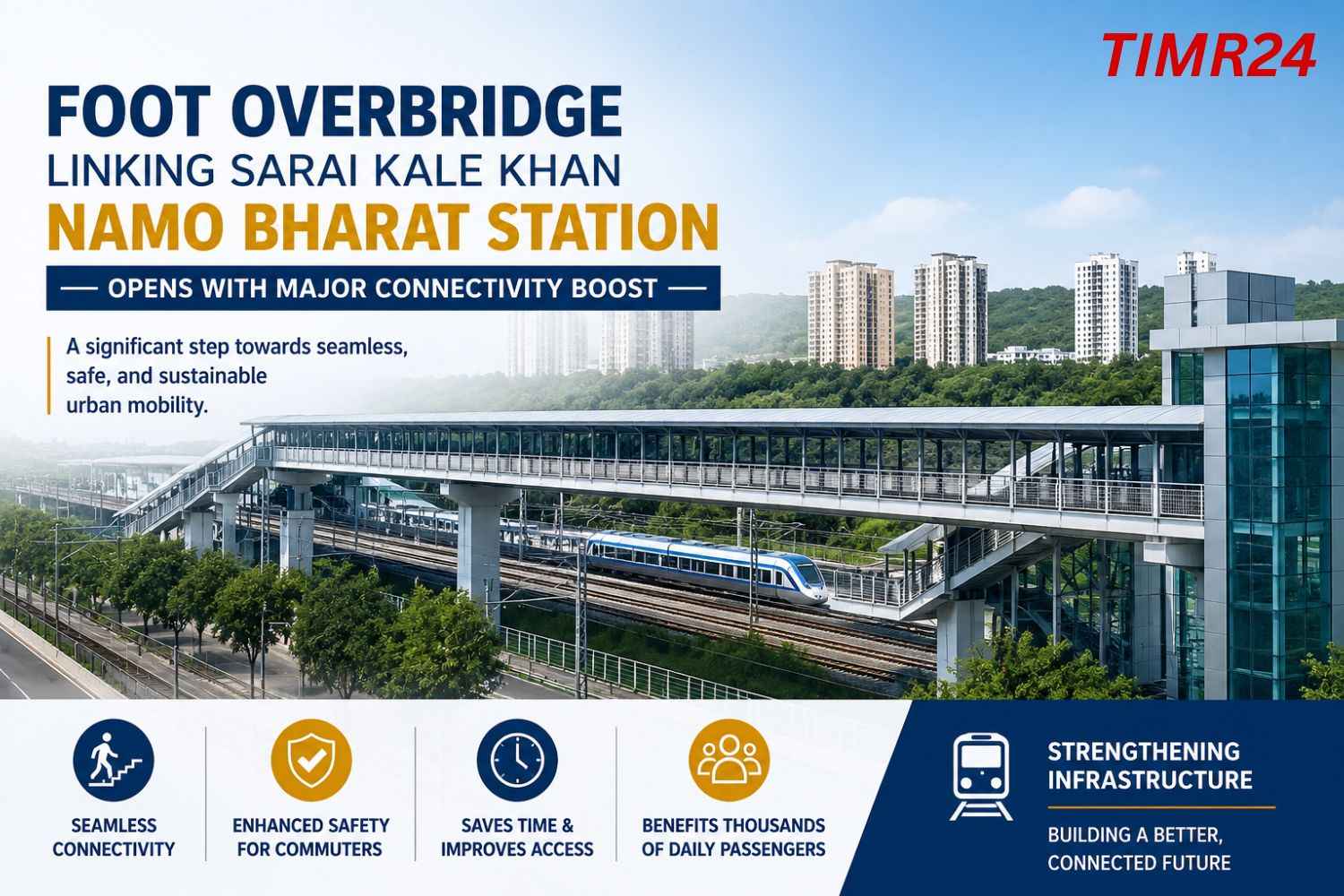
This body brings together representatives from DMRC, the Public Works Department (PWD), DDA, MCD, and Traffic Police to synchronize efforts seamlessly. Plans were green-lit for specific stations such as Tis Hazari, Rithala, Seelampur, Shadipur, Mayur Vihar, and Peeragarhi as part of this coordinated approach Beyond traditional metro hubs, the MMI vision also extends to vital intermodal connectors like Sarai Kale Khan. Here, the redevelopment of the ISBT (Inter-State Bus Terminal) is proceeding apace, with critical land approvals unlocking the potential for an elevated, unified transit node linking metro, RRTS (Namo Bharat trains), and Indian Railways. Once executed, this will be one of Delhi’s largest multi-modal hubs, complete with commercial
Real estate, pedestrian walkways, and upgraded passenger amenities (The Times of India) Meanwhile, the RRTS corridor’s integration plan is already visible at Ghaziabad, where commuters will soon enjoy a 300-metre foot overbridge with travelators connecting the RRTS station directly to the Shaheed Sthal New Bus Adda metro station. This overbridge, expected by the end of the year, aims to eliminate the need for road transfers and streamline movement for the elderly, differently-abled, and those with luggage This sweeping MMI drive reflects DMRC’s broader mission: to evolve beyond a rail network into a comprehensive urban mobility ecosystem. By seamlessly integrating the metro with first- and last-mile solutions, pedestrian corridors, workplaces, and bus systems,
DMRC is reducing travel friction across Delhi’s transport landscape Stations once marred by chaos and crowding are becoming organized, accessible, and welcoming hubs of transit. This integration offers benefits beyond commuter convenience. It enables environmental gains through reduced vehicular congestion, supports inclusivity through improved accessibility, and enhances public safety by structuring pedestrian and hawker zones. As these projects roll out station by station residents across Delhi can expect their daily journeys to become faster, easier, and decidedly more pleasant.
Q1. What is DMRC’s Multi-Modal Integration initiative?
It connects metro stations with buses, e-rickshaws, and other transport modes for seamless travel.
Q2. Which stations are part of the integration?
Key stations across Delhi-NCR, focusing on high passenger traffic areas.
Q3. How will this benefit commuters?
It reduces travel time, improves last-mile connectivity, and enhances convenience.
Q4. When will the project be completed?
Phased implementation is planned, with early rollouts starting this year.
Q5. Will fares be affected?
No major fare hikes; existing metro and feeder services remain affordable.