









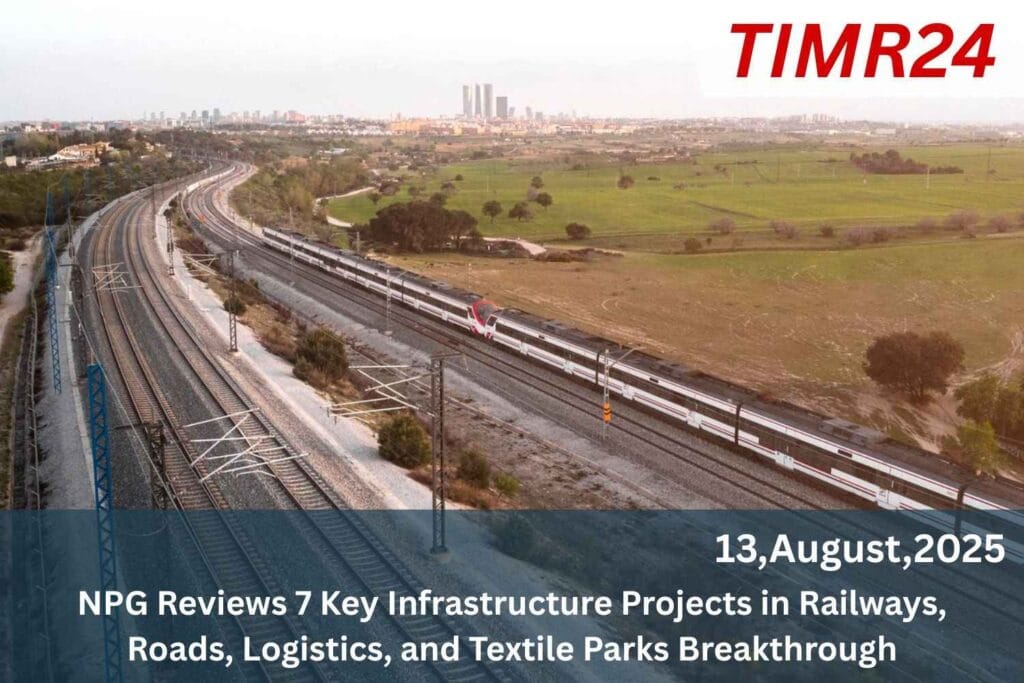
The Network Planning Group (NPG) has evaluated seven projects in India, including one Road/Highway project by the Ministry of Road Transport & Highways (MoRTH), one Multi-Modal Logistics Park (MMLP), three Rail projects, and two Textile Parks under the PM MITRA Scheme. These projects are expected to improve logistics efficiency, reduce travel times, and provide socio-economic benefits to catchment areas. The Ministry of Railways has proposed construction of railway lines between Bakhtiyarpur and Fatuha, Tambaram and Chengalpattu, and Dongargarh and Gondia. The NPG recommends upgrading station infrastructure, improving passenger amenities, and developing related facilities.
The MoRTH has proposed a 54.2 km road corridor connecting Rewa to Churhat to improve connectivity between eastern Madhya Pradesh and the state capital. The MoRTH has also proposed the development of an MMLP at Parkibanda village, Medak district, Telangana (Gati Shakti Railways) which will handle 1.47 million metric tonnes of cargo annually from 2028 and increase to 19.98 MMT by 2070. India’s infrastructure landscape is witnessing a remarkable transformation as NPG reviews seven critical projects across railways, roads, logistics hubs, and textile parks. These projects, aimed at enhancing connectivity and industrial growth, are set to strengthen the nation’s economic framework and regional development. Railways remain a backbone of India’s transportation network.
Road Infrastructure
Among the reviewed projects, modernization initiatives like track electrification, high-speed rail corridors, and metro expansions are top priorities. These developments not only reduce travel time but also contribute to greener transportation. Road projects under review include expressway expansions, highway upgrades, and rural road connectivity programs. Improved road infrastructure ensures smoother logistics, facilitates faster movement of goods, and links industrial hubs with urban centres. These projects are particularly beneficial for regional trade and supply chain efficiency. The logistics sector is witnessing substantial investments in freight terminals, container depots, and intermodal hubs. These projects streamline cargo movement, reduce bottlenecks, and support India’s growing e-commerce and manufacturing sectors. Efficient logistics networks also play a pivotal role in global trade competitiveness.
Textile parks under development aim to modernize production, integrate sustainable practices, and promote exports. By clustering manufacturing units with supporting infrastructure, these parks enhance productivity and create employment opportunities in local communities. They also align with the government’s vision of boosting “Make in India” initiatives. Most of these projects are implemented through public-private partnerships (PPP), attracting both domestic and international investment. Strategic collaboration ensures faster project execution, technology adoption, and financial efficiency. For example, logistics hubs and metro projects are often co-funded by private players to leverage expertise and innovation.
Economic and Social Impact
These projects are expected to stimulate economic activity, create thousands of jobs, and facilitate regional development. Improved infrastructure directly contributes to increased trade, tourism, and industrial growth. Communities near roads, railways, and textile parks will benefit from better connectivity and enhanced business opportunities. With continued monitoring and support, these projects are poised to redefine India’s infrastructure ecosystem. NPG’s review highlights both completed milestones and ongoing work, providing investors, policymakers, and industry stakeholders with actionable insights. Continuous updates ensure that all sectors from railways to textile manufacturing stay aligned with national development goals.
The review of these seven key infrastructure projects by NPG underscores India’s commitment to modernizing its railways, roads, logistics hubs, and textile parks. By strengthening connectivity, (Infrastructure Projects) supporting industrial growth, and fostering trade efficiency, these projects mark a breakthrough in the country’s journey toward sustainable and inclusive development. External Resources
Q1. What are the 7 key projects reviewed by NPG?
NPG analysed projects in railways, roads, logistics hubs, and textile parks across India.
Q2. Which sectors are benefiting from these projects?
Railways, road infrastructure, logistics, and textile manufacturing sectors are seeing major upgrades.
Q3. How will these projects impact trade and transportation?
They will enhance connectivity, reduce travel time, and boost logistics efficiency nationwide.
Q4. Are these projects government-funded or private-led?
Most projects involve a mix of government and private sector investments to accelerate infrastructure growth.
Q5. Where can I find updates on project progress?
Updates are regularly published on NPG’s official site and associated industry portals.