





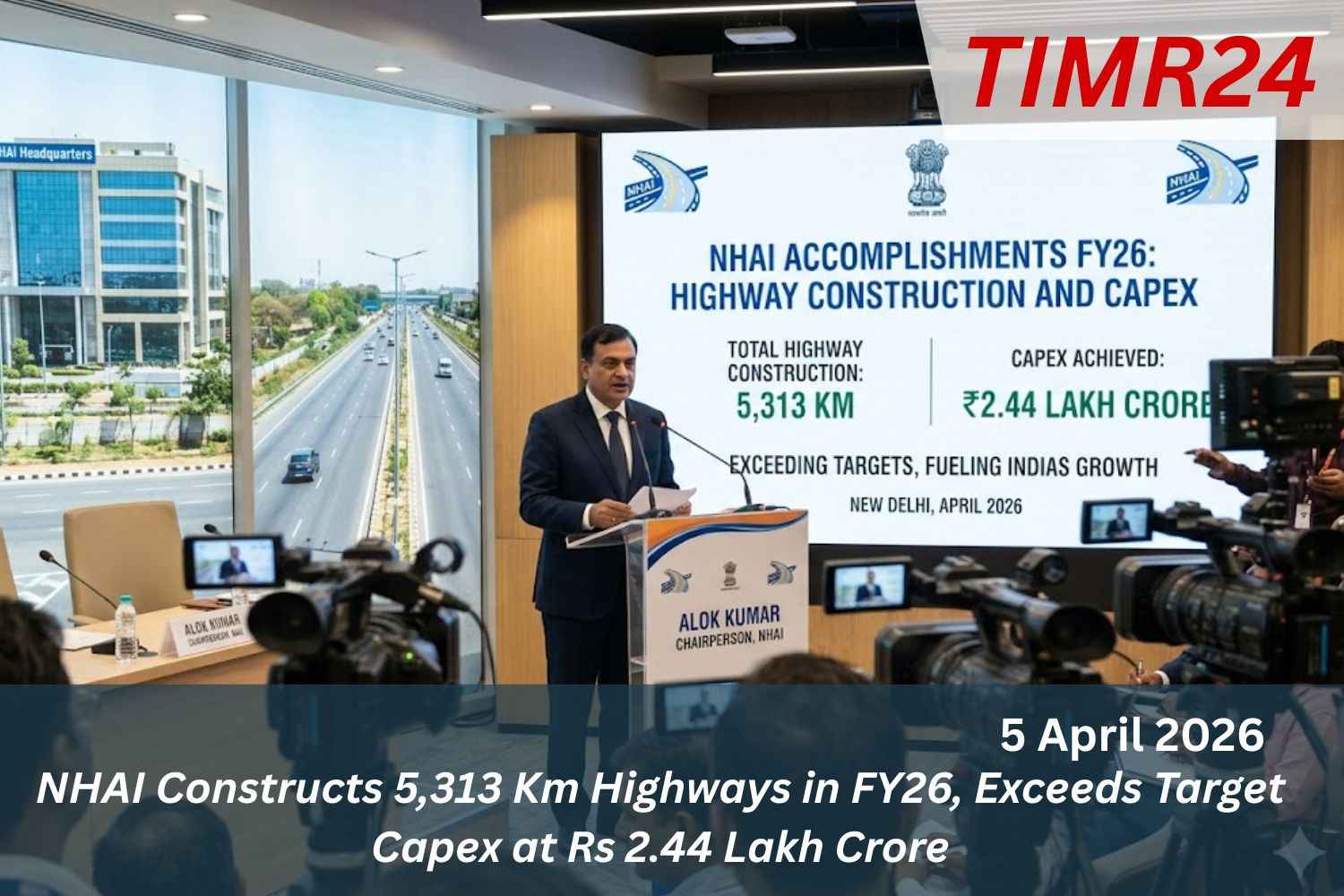










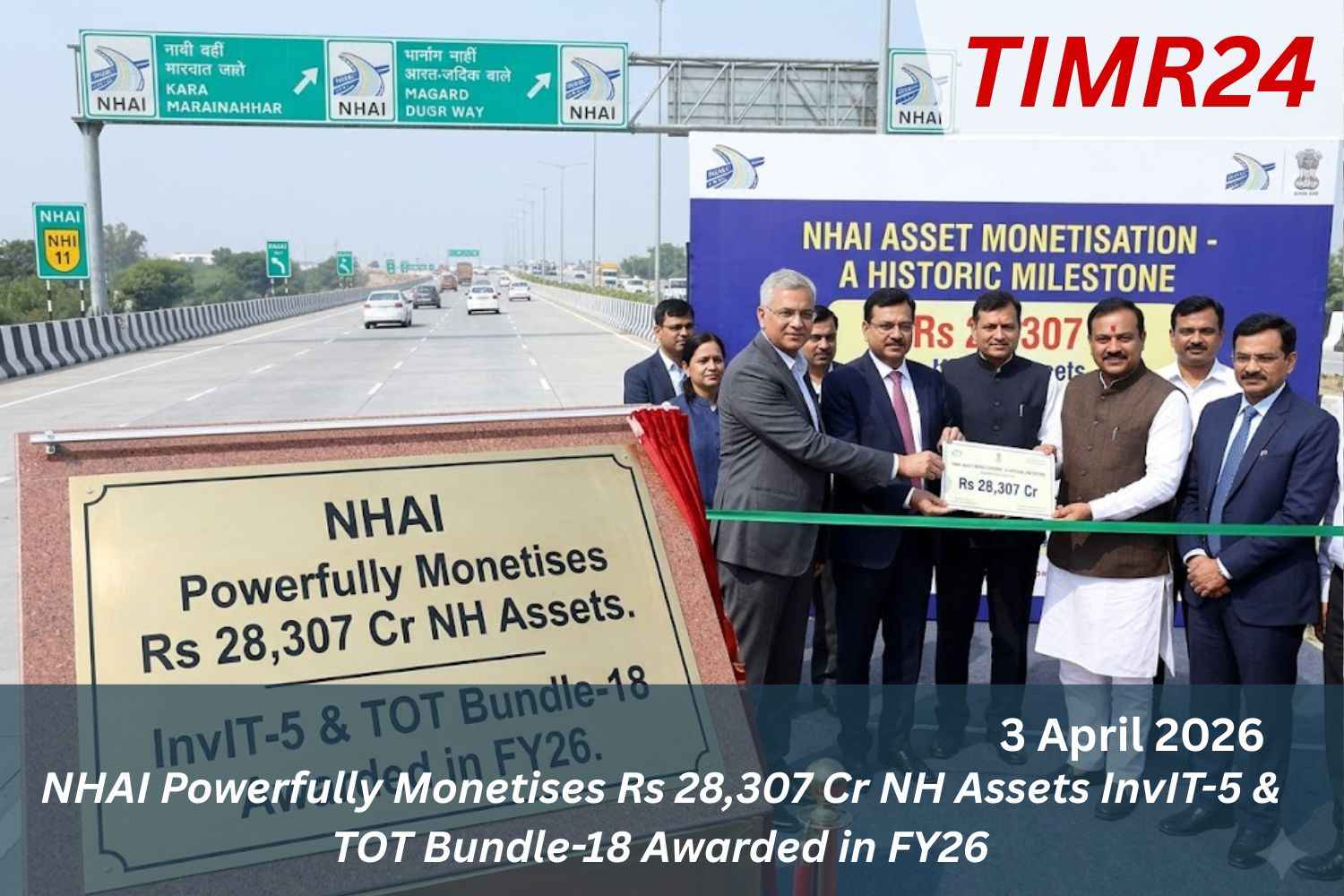


The Centre has constructed and upgraded approximately 3,468 km of national highways across India during FY26 up to October, as reported by the Ministry of Road Transport and Highways. The Union Minister Nitin Gadkari emphasized the strength of road safety through guidelines for safety audits and Advanced Traffic Management systems, including AI-based incident detection and real-time monitoring. Furthermore, the government is promoting sustainable infrastructure through the Green Highways Policy, focusing on tree plantation and the use of waste materials in highway construction, enhancing environmental sustainability and cost-effectiveness.
Achievement Reflects Sustained
India’s infrastructure momentum continued strongly in FY26 with the construction and upgradation of 3,468 kilometers of national highways, reinforcing the government’s long-term vision of improving connectivity and economic efficiency. This achievement reflects sustained public investment in transport infrastructure, positioning road networks as a critical driver of national development. National highways form the backbone of India’s transport system, linking industrial hubs, agricultural markets, ports, and urban centers. The progress recorded during FY26 highlights not only physical expansion but also improvements in road quality, safety, and travel efficiency, strengthening the country’s logistics ecosystem.
The expansion and modernization of highways have played a significant role in enhancing regional connectivity, especially in previously underserved and remote areas. Improved road access has reduced travel time between cities and rural regions, allowing faster movement of goods and people. This transformation is closely aligned with broader infrastructure initiatives discussed in where highways act as multipliers for economic activity. By connecting hinterlands to major markets, highway projects help farmers, small businesses, and manufacturers gain better access to supply chains, thereby supporting inclusive growth Highway construction in FY26 also focused.
Economic Perspective, The Construction
Heavily on upgrading existing corridors rather than only building new roads. Widening of lanes, strengthening of pavement, and modernization of interchanges have significantly improved driving conditions. These upgrades are critical in addressing congestion on high-traffic routes that carry a large share of freight movement. Efficient highways lower fuel consumption and vehicle operating costs, directly benefiting transporters and logistics companies. This efficiency gain aligns with India’s ambition to reduce logistics costs as a percentage of GDP, a topic From an economic perspective, the construction and upgrading of 3,468 kilometers of highways generated.
Substantial employment opportunities across the country. Large infrastructure projects create jobs not only in construction but also in related sectors such as cement, steel, machinery, and engineering services. The multiplier effect of road infrastructure spending stimulates local economies, particularly in semi-urban and rural regions where alternative employment options may be limited. These projects also encourage private investment along highway corridors, leading to the development of industrial parks, logistics hubs, and commercial centers Road safety has been another important dimension of the FY26 highway program. Upgraded national highways.
Lowering Fatalities And Injuries
Incorporate better signage, improved lighting, service roads for local traffic, and scientifically designed curves and medians. These measures aim to reduce accident rates and enhance overall travel safety. Safer highways also have a positive social impact by lowering fatalities and injuries, which in turn reduces the economic burden associated with road accidents. The emphasis on safety reflects (India) evolving policy priorities under the Ministry of Road Transport and Highways The role of the National Highways Authority of India has been central in executing and monitoring Highway projects during FY26. Through improved project management practices, digital monitoring.
Tools, and streamlined approval processes, NHAI has accelerated project completion timelines. These reforms are part of broader governance improvements aimed at enhancing transparency and accountability in public infrastructure development Environmental sustainability has increasingly become part of highway planning and execution. FY26 projects incorporated measures such as tree plantation along corridors, use of recycled materials in road construction, and improved drainage systems to minimize environmental impact. Green highway initiatives aim to Balance infrastructure expansion with ecological responsibility. By adopting sustainable construction.
Emerging Manufacturing And Export
Practices, highway development supports long-term resilience and aligns with India’s broader climate and sustainability goals discussed Strategically, the expansion of national highways strengthens India’s position as an emerging manufacturing and export hub. Improved road connectivity enhances access to ports, airports, and industrial clusters, facilitating smoother domestic and international trade. Highways are essential links in multimodal transport networks, complementing railways, ports, and inland waterways. The FY26 highway milestone therefore Contributes not only to domestic mobility but also to India’s competitiveness in global supply.
Chains the completion of 3,468 kilometers of national highways in FY26 sets a strong foundation for future infrastructure growth. Continued investment in road networks will be essential to support urbanization, industrial expansion, and rising freight demand. As India moves (India) toward becoming a multi-trillion-dollar economy, efficient and reliable highways will remain critical assets. The FY26 achievement demonstrates the government’s commitment to infrastructure-led growth, reinforcing confidence among investors, businesses, and citizens alike.
Q1. How many kilometers of national highways were built or upgraded in FY26?
A total of 3,468 kilometers of national highways were constructed or upgraded across India during FY26.
Q2. Which authority oversees national highway development in India?
The Ministry of Road Transport and Highways and the National Highways Authority of India manage highway development.
Q3. Why is highway expansion important for India’s economy?
Improved highways reduce logistics costs, boost trade, and enhance regional economic integration.
Q4. Does highway development create employment?
Yes, large-scale highway projects generate direct and indirect employment across construction and allied sectors.
Q5. How does highway upgrading improve road safety?
Upgraded highways include better lane design, signage, service roads, and accident-prevention measures.